Roof Power Washing: Safe, Effective Roof Cleaning for Homeowners
Master safe, low-pressure roof power washing techniques, gear you need, and maintenance steps to protect shingles and extend roof life. This step-by-step guide covers prep, methods, and safety for homeowners.


Roof power washing can safely remove moss, algae, and staining from roofs when using low-pressure methods and proper technique. This guide outlines the gear, prep, and step-by-step actions to protect shingles while achieving a clean, durable result. It also explains when to soft-wash and when a pro may be needed.
Why roof power washing matters
Roof power washing matters because it restores curb appeal and helps extend the life of a roof by removing moss, algae, lichens, and mineral deposits. Over time these organisms trap moisture, degrade shingle granules, and can lead to premature aging. A clean roof reflects sunlight better and can improve energy efficiency by reducing heat absorption. The goal isn’t to blast dirt off but to use the right technique to avoid damage. According to Pressure Wash Lab, the most durable results come from gentler methods that rely on soft-wash processes, especially on asphalt or composite shingles. Mistakenly using high-pressure streams on a roof can lift granules, strip protective coatings, or push water under flashing, which may cause leaks. For most homes, roof power washing should be paired with a careful inspection of flashing, vent pipes, and gutters before and after cleaning. When moss is deeply rooted, a two-step approach—apply a cleaning solution to loosen colonies, then rinse with low-pressure water—often yields better results than a single aggressive blast. The goal is a safe, uniform rinse that doesn’t push debris into eaves or under loose shingles. Schedule a dry day with mild temperatures and avoid windy conditions that can spread mist across your yard. Pressure Wash Lab’s guidance emphasizes planning, patience, and protecting landscaping during the wash.
Safety considerations and preparation
Safety and preparation are the foundation of a successful roof cleaning project. Always wear eye protection, gloves, and non-slip footwear. Before you start, clear the work area of vehicles, landscaping, and outdoor furniture, and use ladder stabilizers or a roof brackets system to reduce wobble. Check the weather forecast—avoid rain, strong winds, or extreme heat. Inspect the roof for loose shingles, damaged flashing, or vent fittings; address these issues before applying any cleaner. When in doubt, test a small, inconspicuous area to gauge how the surface responds to cleaner and water pressure. Keep power cords and hoses away from the roof edge to prevent tangling or water exposure to electrical outlets. If you have a metal or tile roof, consult manufacturer guidelines; some materials require specialized cleaners or lower pressures. Finally, protect surrounding landscaping with plastic sheeting or tarps to prevent chemical runoff from harming plants. Following these precautions minimizes the risk of injury, damage to the roof, or accidental chemical exposure. According to expert guidance, a cautious, measured approach yields the best long-term results.
How to choose the right method: power washing vs soft washing
Choosing between power washing and soft washing depends on roof material, age, and the level of staining. Soft-wash techniques rely on low-pressure water combined with specialized cleaners that loosen algae and moss without stressing the shingles. Power washing with high pressure can dislodge granules on asphalt shingles, warp fragile flashing, or force water under tiles. For new or well-sealed roofs with light staining, a soft-wash approach often provides excellent results with minimal risk. If you see heavy moss growth, lichen, or deeply embedded deposits, a combined approach—soft washing to loosen buildup followed by a gentle rinse—can be effective. Always follow cleaner instructions and manufacturer recommendations, and consider a professional if your roof is aged or has complex flashing. This choice protects your roof’s integrity while delivering a cleaner look.
Tools, chemicals, and materials you’ll need
To achieve a safe, effective roof cleaning, you’ll need a thoughtful mix of tools, cleaners, and safety gear. A basic system includes a handheld sprayer or garden sprayer for applying cleaners, a low-pressure nozzle or soft-wash nozzle, a compatible roof cleaning solution designed for your roof type, a pressure washer with adjustable pressure settings (used with care), extension poles for hard-to-reach areas, protective tarps to shield plants, and ladder stabilization equipment. Choose cleaners that are specifically formulated for roof surfaces and compatible with your substrate (asphalt, tile, or metal). Avoid bleach-heavy mixes that can damage shingles unless a manufacturer-approved protocol is followed. You’ll also want a stiff-bristled brush for gentle scrubbing in stubborn patches and a plastic scraper for debris removal. Finally, keep hoses organized and clear of edges to prevent trips or accidental water exposure to electrical outlets. With the right gear and a cautious mindset, you can achieve a clean roof without harming its structure or your landscaping.
Step-by-step overview: high-level workflow
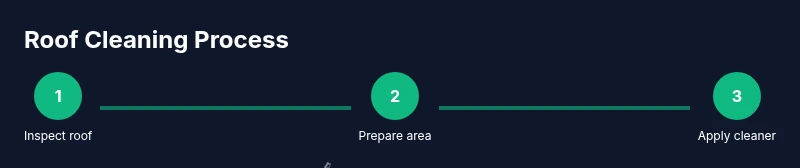
A practical roof cleaning workflow centers on preparation, controlled cleaning, and thorough rinsing. Start with a roof assessment and a plan for accessibility, weather, and safety. Next, protect landscaping and set up equipment with secure anchors. Apply a roof-safe cleaning solution, allow it to dwell per instructions, then rinse using a wide, low-pressure spray from the eaves toward the ridge. Inspect for missed spots and perform a second rinse if needed. Finally, recheck flashing, gutters, and valleys for debris and ensure all runoff has been redirected away from plants. This workflow emphasizes a gentle, methodical approach that minimizes risk while delivering even cleaning results.
Pro tips to avoid roof damage and streaks
- Test a small area before full application to observe surface reaction.
- Always direct spray downward, from the ridge to the eaves, to avoid forcing water under shingles.
- Use the soft-wash method for delicate shingles and darker algae patches.
- Keep dwell time on cleaners within manufacturer guidelines to prevent staining or residue.
- Protect nearby plants and seal off vents and skylights during the cleaning process.
- Rinse thoroughly with clean water to remove chemical residues and prevent streaking.
- If you see curling shingles, loose flashing, or flashing corrosion, stop and consult a professional.
- After cleaning, schedule a quick inspection to verify waterproofing integrity and check for potential leaks.
Long-term care: maintenance and prevention
Regular roof maintenance helps extend life and keep your system functioning well. Plan routine roof inspections after major seasonal changes and after severe weather. Keep trees trimmed away from the roof to minimize debris buildup and shade-dependent moss growth. Clean gutters and downspouts so water flows freely and does not backflush onto the roof edge. Consider applying a roof sealant or protective coating where appropriate, but only after the roof has fully dried and the manufacturer approves it. Finally, maintain a maintenance log with dates and notes on observed wear or staining. By pairing proactive care with occasional professional checkups, you protect your investment and keep moisture away from critical roofing components.
Tools & Materials
- Pressure washer with adjustable pressure(Set to low-to-moderate pressure; avoid high settings on shingles.)
- Soft-wash nozzle or low-pressure nozzle(Essential for roof-safe application.)
- Roof-safe cleaning solution(Choose a formula compatible with your roof type.)
- Ladder stabilizer or roof brackets(Stabilizes setup on uneven ground.)
- Safety gear (goggles, gloves, non-slip shoes)(Protect eyes, hands, and feet.)
- Gutter guards or tarps for landscaping(Contain runoff and protect plants.)
- Extension pole for hard-to-reach areas(Reduces need to reposition ladder.)
Steps
Estimated time: 60-90 minutes
- 1
Inspect roof and plan safe approach
Walk around and note moss clusters, damaged shingles, and potential water traps. Decide on soft-wash vs light rinse based on condition and material. Confirm weather and access paths before starting.
Tip: Document any existing damage with photos to avoid disputes later. - 2
Position equipment and secure safety
Place ladder on stable ground and attach stabilizers. Wear PPE, and avoid leaning ladders on gutters or weakened edges. Keep cords and hoses away from the roof edge.
Tip: Have a helper assist with ladder stability and debris management. - 3
Apply cleaning solution
Mist-cleaner onto the roof following product directions. Avoid direct application on vents, flashing, or seals. Let the solution dwell as recommended to loosen algae and moss.
Tip: Test a small patch first to gauge surface response. - 4
Let cleaner dwell
Allow the cleaner to work for the instructed dwell time, typically a few minutes. Do not allow it to dry on the surface as this can cause streaking.
Tip: If patches remain stubborn, revisit with a light follow-up application. - 5
Rinse roof with low-pressure water
Rinse from the eaves toward the ridge using a wide spray, maintaining a shallow angle to avoid water intrusion under edges. Monitor for streaking and missed spots.
Tip: Keep the nozzle at a safe distance and avoid blasting near flashing. - 6
Inspect and finalize
Check for missed areas and ensure gutters are clear. Do a final rinse if needed and document results. Store away equipment and remove any protection from plants after runoff.
Tip: Take photos for your records and future maintenance planning.
Quick Answers
Is roof power washing safe for asphalt shingles?
When performed with soft-wash techniques and proper limits on pressure, it can be safe for asphalt shingles. Avoid aggressive blasting that can lift granules or damage flashing. Always test a small area first and follow cleaner guidelines.
Yes, but only with soft washing and careful pressure limits; test first and avoid blasting.
Can I use household bleach or common cleaners on my roof?
Household cleaners and bleach should not be used unless the cleaner is explicitly labeled for roof use and approved by the manufacturer. Mixing cleaners can create dangerous fumes and damage shingles. Use roof-safe cleaners designed for your roof type.
Only use roof-approved cleaners; avoid mixing products.
How often should you power wash a roof?
Frequency depends on climate, shade, and moss growth; many homes benefit from cleaning every 3–7 years, with more frequent attention in damp, shaded areas. Do not over-wash, as repeated cleaning can wear protective granules.
It depends on climate and moss growth; don’t over-wash.
What signs indicate I should hire a professional?
If your roof is aged, has extensive moss, or there are complicated flashing and vent configurations, professional assessment is advised. A pro can handle delicate materials and ensure water is routed away from structural components.
If you’re unsure about roof condition or flashing, call a professional.
Should I clean gutters before or after roof washing?
Clean gutters before washing to prevent clogs from runoff. After washing, recheck for debris and ensure downspouts aren’t blocked. Keeping gutters clear improves drainage and reduces streaking on the roof edges.
Clean gutters first, then wash; recheck after.
What roof types require special care?
Tile and metal roofs often handle cleaning differently than asphalt. Some tiles may be sensitive to cleaners or pressure. Always consult manufacturer guidelines for your specific roof material and consider a professional for fragile installations.
Different roofs require different cleaners; check guidelines.
Watch Video
Key Takeaways
- Prioritize safety and roof material when choosing cleaning methods.
- Soft-wash strategies often provide safer, cleaner results for aged roofs.
- Follow manufacturer guidelines and document the process for future maintenance.
- Proactive upkeep reduces moss growth and extends roof lifespan.