Pressure Washer Safety Checklist: Your Complete How-To Guide
Practical pressure washer safety checklist to prevent injuries, protect surfaces, and extend equipment life. Learn PPE, pre-inspection, safe operating techniques, chemicals handling, and storage with expert tips from Pressure Wash Lab.


By the end of this guide, you will have a complete pressure washer safety checklist you can use before, during, and after every job. You'll cover PPE, pre-inspection, safe operating practices, chemical handling, and storage. This checklist helps prevent injuries, protect surfaces, and extend your equipment's life—empowering homeowners, DIYers, and small operators to work confidently.
Why a Safety Checklist matters for pressure washing
According to Pressure Wash Lab, a formal safety checklist before every job sets the tone for a safer, more predictable workflow. Pressure washing exposes workers to high-pressure jets, slippery surfaces, and electrical hazards when used near outlets or wet environments. A written checklist helps you pause to verify each step, reduces the likelihood of skipped safety measures, and creates a repeatable routine that new technicians can follow with confidence. For homeowners and small businesses, the habit translates into fewer injuries, less downtime from avoidable mistakes, and longer equipment life. The checklist also serves as a communication tool: it makes it clear to family members, employees, or clients which controls are active, which surfaces are being treated, and where the spray should end. In short, safety isn’t an afterthought; it’s the foundation of a professional, efficient operation that delivers reliable results without surprises.
Essential safety principles when operating a pressure washer
Safety begins with mindset and preparation. Maintain a stable stance on a dry, non-slip surface, keep feet shoulder-width apart, and never point the spray at people, pets, or fragile structures. Always control the spray arc to prevent ricochet or kickback, especially when working on vertical surfaces. Know your unit’s limits: stay within the manufacturer’s recommended PSI and nozzle compatibility for each surface, and never bypass safety features or modify equipment to reach higher pressures. Clear the work area of bystanders and obstacles, use proper lighting if working in dim conditions, and keep a first-aid kit and a charged phone within reach. This disciplined approach minimizes the risk of electric shock, chemical exposure, and structural damage.
PPE and protective gear you should wear
Your PPE setup is your first line of defense. Wear ANSI-rated safety goggles or a face shield to protect eyes from spray and chemical splashes. Use waterproof gloves with good grip and cut resistance, and opt for long pants and sturdy, non-slip boots to guard against hot or cold water and dropped tools. If you generate loud noise, include hearing protection such as earplugs or earmuffs. For added protection, consider a long-sleeve moisture-wicking shirt and a lightweight, water-resistant outer layer when working in dusty or wind-prone environments. PPE should be inspected before each job and replaced if damaged.
Pre-operation inspection checklist
Before powering up, walk around the area and inspect for hazards: loose hoses, exposed electrical outlets, and damaged wands or spray tips. Check hoses for cuts, kinks, or leaks, and ensure all clamps and fittings are secure. Confirm the water source is clean and free of debris, and that the nozzle is correctly attached. Test all safety features on the unit and verify grounding or GFCI protection is functioning. Finally, ensure there is an unobstructed escape path should you need to move quickly away from a spray or a hose recoil.
Setting up the equipment safely
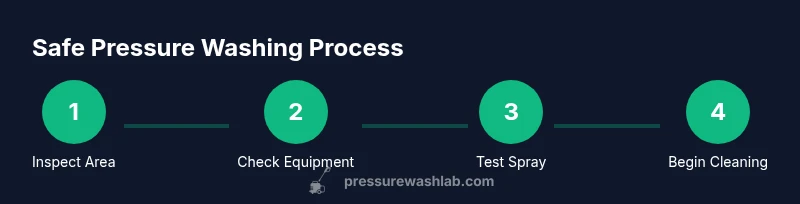
Position the washer on a flat, stable surface and orient the outlet away from potential water splash. Connect the water supply first, then attach the proper high-pressure hose, ensuring all connections are tight but not overtightened. Connect to power only after you’ve confirmed water flow and nozzle choice. Start with the widest-angle nozzle to minimize intensity and test spray on a sacrificial surface to verify distance and angle. When finished testing, switch off power and relieve pressure using the trigger before changing nozzles or disassembling components.
Safe operating techniques by surface and nozzle
Different surfaces require different approaches. For concrete or brick, use a wider spray and maintain a consistent distance to avoid etching or gouging; for siding or wood, keep the nozzle farther away and use lower pressure. Begin with a 25-degree or wider nozzle, then adjust to a 40-degree tip as needed. Maintain an outward, away-from-you spray path and never sweep across your body. Move steadily in straight lines, overlap strokes, and avoid pausing with the trigger pressed on delicate materials. If you encounter stubborn grime, switch to a brush attachment or a lower-pressure setting rather than applying higher pressure on the surface.
Handling chemicals and detergents safely
If using detergents, only select products labeled for pressure washers and compatible with your machine. Read the label for dilution ratios, contact time, and rinse requirements. Apply chemicals from the bottom up to prevent staining or runoff, and always rinse thoroughly to remove residue that could damage surfaces or be hazardous to occupants. Store detergents in a cool, ventilated area away from heat sources and out of reach of children or pets. Use chemical-resistant PPE and ensure good ventilation when mixing concentrates.
Transport, storage, and maintenance safety
Transport the unit with hoses coiled and secured to prevent trip hazards and kinking. Drain residual water from hoses and pump after use to prevent mildew and freezing damage in cold climates. Store the washer in a dry, sheltered area off the floor, with cords and cables neatly coiled to reduce wear. Schedule regular maintenance checks: inspect seals, filters, and the nozzle, and replace worn parts promptly. Keep a log of service dates and observed issues to anticipate failures before they occur.
Troubleshooting safety concerns
If you notice overheating, unusual smells, or inconsistent pressure, stop operation immediately and disconnect power. Check for blockages, leaks, or air in the line, and verify that chemical cleaners aren’t corroding seals. If you experience electrical issues, unplug the unit and avoid using wet outlets or extension cords near water. For recurring issues, consult the manufacturer’s manual or a qualified technician. Always have a plan to retreat to safety if the spray becomes unpredictable.
Common mistakes to avoid
Avoid bypassing safety features, using improper nozzles, or spray angles that push water toward electrical outlets. Never work on ladders or elevated surfaces with a pressure washer; use a stable ground or alternative cleaning methods for high areas. Do not mix cleaners unless the product specifies compatibility with pressure washers. Finally, avoid rushing through tasks; take time to assess the environment and maintain control over the spray.
Quick-start printable checklist
This final section distills the core steps into a printable list you can pin to a job site. Begin with PPE and area assessment, followed by equipment inspection, setup, nozzle selection, test spray, cleaning technique, and shutdown procedures. The printable version includes a space for notes and a time stamp so you can track what worked best on different surfaces. The Pressure Wash Lab Team recommends printing and posting this checklist in your shop or on-site to reinforce safe habits every day.
Tools & Materials
- Pressure washer(Ensure model is rated for outdoor use and within safe PSI for your surface.)
- GFCI-protected outlet or outdoor-rated extension cord(Prevent electrical shocks; ensure connections stay dry.)
- Personal protective equipment (PPE) set(Safety goggles, gloves, long pants, non-slip boots; hearing protection if needed.)
- Hose with spray nozzle and nozzle tips (e.g., 25°, 40°)(Start with wider nozzle to minimize surface impact; adjust as needed.)
- Detergents compatible with pressure washers(Follow manufacturer guidelines; label instructions for dilution.)
- Surface protectors or tarps(Protect plants, vehicles, and outlets from overspray.)
- First-aid kit and emergency contact device(Keep within reach in case of accidents.)
- Water source and backflow prevention(Ensure a clean, adequate water supply; use backflow preventer if required.)
Steps
Estimated time: 30-60 minutes
- 1
Inspect equipment and area
Walk around the site to check hoses, cords, and fittings for wear or damage. Look for any standing water, slippery surfaces, or obstacles that could cause trips. Make sure the spray area is clear of people and pets before power is applied.
Tip: Take a quick photos checklist to document condition before starting. - 2
Wear PPE before powering up
Put on safety goggles, gloves, long pants, closed-toe shoes, and hearing protection if your unit is loud. Ensure clothing is not loose enough to catch on moving parts or the spray. Check that PPE is clean and intact.
Tip: If PPE is wet, dry it to maintain grip and visibility. - 3
Set up connections safely
Attach the correct nozzle, connect the water supply, then plug into a GFCI outlet. Verify all connections are secure and dry. Power up only after you confirm water flow and nozzle compatibility.
Tip: Test the GFCI with its test button before starting work. - 4
Choose a safe nozzle and test spray
Start with a wide-angle nozzle and a low pressure setting. Test spray on a sacrificial surface to gauge distance and angle. Adjust gradually based on surface response to prevent damage.
Tip: Always spray away from your body and any electrical sources. - 5
Proceed with controlled cleaning
Move in steady, overlapping strokes; avoid circling and bouncing. Maintain a consistent distance and avoid high-pressure contact with delicate surfaces. If grime resists, switch to gentler methods or longer dwell time rather than higher pressure.
Tip: Take short breaks if you feel fatigued; fatigue increases accident risk. - 6
Shut down and store safely
Depressurize the system by releasing the trigger, then power off and unplug. Detach hoses and allow the unit to cool before storage. Coil hoses neatly and store detergents and cleaners away from children.
Tip: Drain water from hoses to prevent mildew and freezing damage.
Quick Answers
What PPE is required for pressure washing?
Wear protective eyewear, gloves, long pants, closed-toe shoes, and hearing protection if the unit is loud. Update PPE if you notice wear or exposure to chemicals.
Wear safety goggles, gloves, and sturdy clothing; add hearing protection if the machine is loud.
Can I use an indoor outlet for my pressure washer?
Only if it is a properly rated outdoor-use circuit with weatherproof outlets and a GFCI. Never operate near water indoors or in damp areas unless the setup is specifically designed for it.
Use only outdoor-rated and weatherproof power sources with GFCI protection.
What is the safest nozzle to start with?
Begin with a wide-angle nozzle (e.g., 25° or wider) to minimize surface damage and gradually move to a narrower spray if needed.
Start wide and stay cautious—test on an inconspicuous area first.
What should I do if I notice electrical sparking?
Shut off immediately, unplug the unit, and inspect cords and outlets for damage. Do not attempt to repair electrical components yourself.
If you see sparking, stop right away and unplug the machine.
How should I transport and store the equipment safely?
Transport with hoses coiled and secured. Store in a dry, ventilated area away from heat sources and kids. Regularly inspect hoses for wear.
Coil hoses, store in a dry place, and check for wear before each use.
Is it safe to mix detergents with a pressure washer?
Only use detergents labeled for pressure washers and compatible with your unit. Follow dilution ratios and rinse thoroughly to prevent residue on surfaces.
Only use manufacturer-approved detergents and follow dilution and rinse guidelines.
Watch Video
Key Takeaways
- Wear PPE before powering on and inspect the area.
- Start with wide nozzles and low pressure; adjust carefully.
- Keep spray away from people, pets, and electrical sources.
- Depressurize and store equipment properly after use.