Pressure Washer Vehicle Cleaning: Safe Step-by-Step Guide
Learn how to safely clean a vehicle with a pressure washer, including nozzle selection, PSI guidance, prep, washing sequence, detergents, and post-wash care. Practical tips help protect paint, trim, and seals while avoiding water intrusion.


This guide shows how to safely clean a vehicle with a pressure washer, including selecting the right nozzle, setting safe PSI, and step-by-step prep. You’ll learn how to protect paint, trim, and seals while avoiding water intrusion, plus tips for dirt removal, detergent use, and post-wash care. We cover common mistakes, safety considerations, and a quick checklist to finish.
Safety Foundations for Pressure Washing a Vehicle
Safety first means wearing protective eyewear, gloves, and non-slip footwear. Keep the spray at a safe distance from paint, trim, headlights, sensors, and seals to avoid marring or water intrusion. Never point the nozzle at electrical components or the engine bay while the vehicle is on, and always work on a firm, level surface with stable water flow from a dedicated hose. According to Pressure Wash Lab, safety starts with proper gear, nozzle choice, and water containment. Start with a quick test on a small area and monitor for any unusual vibration, leaks, or overspray that could affect nearby surfaces or plants.
Choosing the Right Nozzle and Settings
Nozzle choice dramatically affects outcomes when washing a vehicle. Use a wide-angle (e.g., 25-degree) or fan spray for the body to minimize potential paint damage, and reserve any narrow-angle nozzle for stubborn spots only if absolutely necessary and at a greater distance. If your model offers adjustable PSI, set it to the lowest setting that still cleans effectively, and keep the nozzle moving to avoid prolonged focus on one spot. Detergent-friendly nozzles are helpful when applying car wash soap, but never spray detergents directly on sensitive components like door seals while the vehicle is running. Pressure Wash Lab emphasizes harmonious nozzle selection and distance to protect finishes.
Prep Work: Protecting Surfaces and Surroundings
Before you spray, remove loose debris by pre-rinsing with a gentle, wide spray. Park on a clean, flat surface and shade if possible to prevent water spots. Cover or tape exposed trim, weatherstrips, and emblems if you’re concerned about soap residue. Use a wash mitt or microfiber sponge and a separate bucket for soapy water to minimize cross-contamination. Establish zones for rinsing and soaping to prevent dirty water from splashing onto driveways or landscaping. Pressure Wash Lab reminds readers that thoughtful prep reduces rework and protects the vehicle’s finish.
Cleaning Sequence: Exterior Surfaces, Wheels, and Undercarriage
Start with the wheels and tires, which are the dirtiest, using a dedicated nozzle or brush to avoid transferring brake dust onto body panels. Rinse from top to bottom, keeping the spray moving and off of sensitive components. Work methodically around the vehicle to ensure all surfaces receive even attention, including door jambs, mirrors, and grilles. When you reach the undercarriage, use a wider arc and slightly raised distance to prevent water from entering crevices. A measured, systematic approach yields consistent results without damage.
Detergents, Rinsing, and Drying: Best Practices
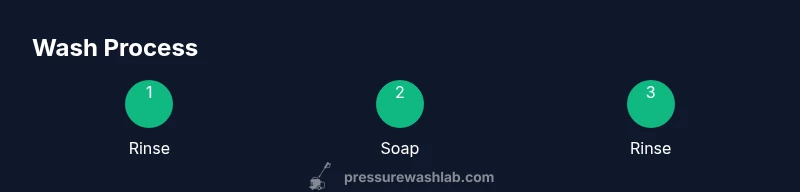
Choose a car-wash soap designed for automotive finishes; avoid household cleaners that can strip wax or degrade coatings. Apply detergent evenly and rinse with the spray at a low angle to avoid forcing soap into seams. Rinse from top to bottom, ensuring all soap is removed to prevent streaks. After washing, dry with a clean microfiber towel or a dedicated drying tool to minimize water spots. For best results, follow up with a wax or sealant on a cool, dry surface. Pressure Wash Lab notes that soap residues can dull the finish, so thorough rinsing is essential.
Maintenance, Common Mistakes, and Aftercare
Inspect for paint damage or loose trim after washing, and avoid washing a hot car in direct sunlight to prevent rapid drying that can cause water spots. A frequent error is using too much pressure on delicate areas like chrome accents or decals. If you notice overspray near adapters or electrical components, stop and re-evaluate nozzle distance and angle. Regularly inspect hoses, fittings, and the unloader valve for leaks. Finishing with a light coat of wax can help protect against future dirt and UV exposure. Pressure Wash Lab’s guidance emphasizes careful technique and post-wash care to extend vehicle finishes.
Tools & Materials
- Pressure washer(Electric or gas-powered; look for adjustable nozzle and steady flow)
- Nozzle tips(Prefer wide-angle (25°) for body; reserve 0°/narrow for stubborn spots at distance)
- Spray wand/extension(Optional but helpful for hard-to-reach areas)
- Car wash soap/detergent(Automotive-specific; avoid household cleaners that can strip wax)
- Wash mitt or microfiber towels(Use a dedicated mitt; avoid cross-contamination with wheels)
- Buckets(One for soapy water, one for rinse (optional but convenient))
- Grit guard or washing bucket liner(Keeps dirt out of rinse water)
- Hose with reliable water supply(Stable pressure and no leaks; ensure proper drainage area)
- Protective gear(Safety glasses, gloves, non-slip shoes)
- Masking tape or painter’s tape(Protect sensitive trim or seals if concerned)
Steps
Estimated time: 25-40 minutes
- 1
Inspect vehicle and plan wash
Walk around the vehicle to identify delicate areas, trim, badges, and sensors. Decide on detergent usage and nozzle distances before turning on the machine. This prep minimizes accidental damage and ensures a smoother workflow.
Tip: Map out zones (e.g., hood, roof, doors) to avoid missing spots. - 2
Rinse with wide spray
Begin with a gentle rinse from top to bottom to loosen surface dirt. Keep the nozzle moving to avoid constant exposure to one spot and reduce the risk of etching paint.
Tip: Maintain a consistent distance and avoid direct hits on edges and emblems. - 3
Apply detergent and wash panels
Apply automotive soap following product directions. Work in sections using a wash mitt; never scrub aggressively on one area. Rinse soap away regularly to prevent residue.
Tip: Never let soap dry on the surface as it can leave streaks. - 4
Rinse and repeat for stubborn spots
Respray stubborn areas with a higher distance angle and thorough rinse. For tough grime, re-wet and re-wash that area using a fresh mitt.
Tip: Don’t use the same dirty mitt on the body after wheels to avoid cross-contamination. - 5
Clean wheels and tires separately
Use a dedicated nozzle or brush to clean wheels with a wheel-specific cleaner. Rinse away brake dust before moving to body panels to prevent transfer.
Tip: Wheel cleaning should be done before body panels to prevent dirt transfer. - 6
Final rinse and check
Do a final top-to-bottom rinse to remove any remaining soap. Check seals, trim, and edges for missed spots before drying.
Tip: Confirm no water is pooled in door jambs or crevices. - 7
Dry and protect
Dry surfaces with a microfiber drying towel or chamois. Apply wax or sealant after drying to protect finishes and ease future cleaning.
Tip: Drying completely helps prevent water spots and mineral deposits. - 8
Inspect and store equipment
Shut down the machine, relieve pressure safely, and disconnect hoses. Inspect for leaks and coil hoses neatly to prevent damage for next use.
Tip: Drain and store away from heat sources to prolong hose and wand life.
Quick Answers
Can I use a pressure washer on all vehicle paints and finishes?
Most automotive finishes tolerate a gentle pressure washer when used with a wide-angle nozzle from a safe distance. Avoid concentrated streams on edges, decals, and fragile trims. If in doubt, consult your vehicle’s manufacturer guidelines.
Most finishes handle a gentle spray from a safe distance; avoid edges or decals.
What PSI range is safe for washing a car?
Use low to moderate settings and avoid high pressure directly on painted surfaces. Always start at the lowest setting that cleans effectively and increase only if needed while maintaining distance.
Start low and keep the spray moving away from the surface.
Should I pre-wet the car before applying soap?
Yes. Pre-wetting loosens dirt and reduces friction from the wash mitt, helping prevent scratches. Rinse off dirt before applying soap to improve cleaning efficiency.
Pre-wet to loosen dirt and protect the finish.
Is it safe to wash the undercarriage with a pressure washer?
Light undercarriage rinsing is usually fine, but avoid aggressively targeting underside components or electrical connectors. Use a longer spray distance and careful angles.
A gentle undercarriage rinse is fine if you’re careful with angles.
Can I use household cleaners with a pressure washer for cars?
Avoid household cleaners; automotive soap is designed to be gentle on finishes and waxes. Using non-specific cleaners can strip protective coatings over time.
Stick to car wash soap designed for automotive finishes.
What aftercare helps maintain the finish after washing?
Dry thoroughly, apply wax or sealant as recommended by the product, and check for any water spots or residue. Regular maintenance protects the paint and keeps washing easier next time.
Dry well and protect with wax or sealant.
Watch Video
Key Takeaways
- Use wide-angle nozzle for body panels
- Keep the nozzle moving to avoid damage
- Rinse thoroughly to prevent soap residue
- Dry completely to prevent water spots
- Protect trim and sensitive areas during wash