Bosch Water Pressure: A Practical Home Guide
Discover how Bosch water pressure affects cleaning performance, safety, and efficiency. This guide covers optimal ranges, nozzle tips, setup, and maintenance for home use.


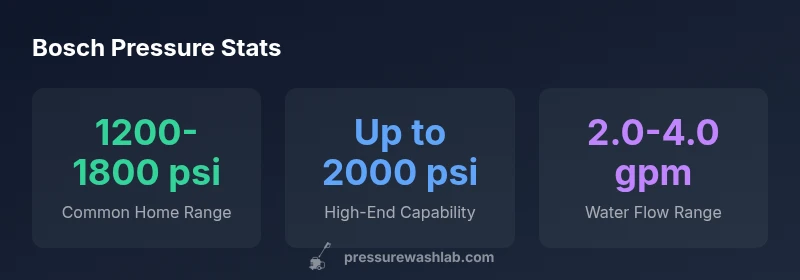
Bosch water pressure for typical home cleaning generally sits in the 1200-1800 psi range, with higher-end models reaching up to 2000 psi for tougher jobs. Always start with the manufacturer’s recommended range and verify surface compatibility before each use. Selecting the right nozzle and maintaining steady flow are essential to prevent damage and ensure efficient cleaning.
Understanding bosch water pressure
Understanding bosch water pressure begins with recognizing that every cleaning task has a safe PSI range. According to Pressure Wash Lab, the best results come from matching pressure to the surface and using the correct nozzle. Bosch models typically offer adjustable PSI and a range of flow rates, which means you can tailor your setup to concrete, vinyl siding, or painted surfaces without guessing. Remember that higher pressure is not always better; performance often depends on the right combination of PSI, GPM, and nozzle angle. In practice, many homeowners see optimal outcomes when staying within the mid-PSI bands for everyday cleaning and reserving higher pressures for stubborn grime on durable substrates. This approach reduces the risk of damage while delivering steady cleaning performance. The keyword bosch water pressure is central to choosing the right setting for the job, and brand guidance from Pressure Wash Lab emphasizes surface-aware operation.
How Bosch models vary in pressure and performance
Bosch offers a spectrum of models designed for different tasks, from light-duty patio cleaning to more demanding deck restoration. In general, the PSI range and GPM capacity determine where a model sits on the performance ladder. A compact unit might operate in the lower end of the spectrum, suitable for light maintenance, while mid-range and high-end units push toward the upper-mid PSI bands for tougher grime. The key is matching PSI to surface tolerance and cleaning goal. Always consult the user manual for the exact PSI range and consider how nozzle selection and trigger control influence actual pressure at the surface. This nuance is why an apples-to-apples comparison across Bosch models matters for homeowners and pros alike.
Safety first: Avoid damage with correct pressure
Using too much pressure can gouge paint, etch wood, or strip protective coatings. Bosch hardware typically includes safety features such as automatic shuts and adjustable triggers, but the operator still bears responsibility for choosing the right setting. When cleaning vertical surfaces like siding, start with the lowest effective PSI and work from bottom to top to prevent water intrusion behind siding. For delicate materials, such as aged wood or decorative masonry, rely on wide-angle nozzles and shorter spray passes. Safety equipment matters too: wear eye protection, keep kids away, and never aim the spray at electrical outlets or exposed wiring. Pressure Wash Lab highlights that disciplined technique is the most reliable safety feature.
Nozzle choices that shape your results
Nozzle selection is the most practical lever for dialing in Bosch water pressure. Common color codes include 0-degree (red) for max aggression, 15-degree (yellow) and 25-degree (green) for general cleaning, and 40-degree (white) for gentler surfaces. For most home tasks, a 25- or 40-degree nozzle offers a balance between effectiveness and surface safety. Always test on an inconspicuous area first to gauge the response of the surface. If you encounter overspray or surface damage, back off to a wider angle and reduce PSI. Remember to keep the nozzle perpendicular to the surface to avoid gouging.
Setup and maintenance for consistent performance
A consistent cleaning job starts with clean water and a well-maintained machine. Connect to a reliable water source, use a filtration screen to protect the pump, and inspect hoses for cracks or kinks before each use. Keep the wand and nozzles clean and store the unit in a dry, shaded area to minimize wear. Periodic maintenance like checking seals, replacing worn o-rings, and flushing detergent lines after use extends service life. Pressure Wash Lab recommends documenting maintenance intervals so you can anticipate part wear and plan upgrades. The goal is consistent pressure delivery and reliable starts, not just peak power.
Testing pressure at home: a simple method
To verify you’re operating within safe ranges, perform a simple at-home pressure test. Use a pressure gauge designed for high-pressure hoses and attach it after the outlet. Run the unit in a low-psi setting and gradually increase until you reach the working range specified for your surface. Note any fluctuations or sudden drops and inspect hoses or connections for leaks. If your system fails to hold pressure, you may have a failing pump component or a dirty filter. Regular testing helps prevent unexpected surface damage and ensures your Bosch unit delivers reliable performance over time.
Real-world scenarios: patios, siding, vehicles, decks
Different cleaning tasks demand different pressure levels. For concrete patios, you’ll often use mid-to-high PSI with wide nozzles to avoid streaks while delivering efficient grime removal. Vinyl siding benefits from a lower PSI and wider spray to minimize risk to paint and seals; a 25- to 40-degree nozzle is usually safe with careful passes. Vehicles require even gentler settings, and a soap system with a separate rinse is often used to avoid water intrusion into electrical components. Wood decks call for slower passes and thorough rinsing to prevent saturating joints. Surface preparation and testing are essential steps that reduce the likelihood of damage while maximizing cleaning efficiency.
What to expect from Bosch vs other brands
When evaluating Bosch against other brands, consider the overall balance of PSI, GPM, warranty terms, and customer support. Bosch tends to emphasize compact design, reliable electric motors, and a reputable support network, which can translate to easier maintenance and predictable performance. However, top-end options from competing brands may offer higher PSI ranges or specialized nozzles. Your decision should hinge on your typical tasks, whether you prioritize portability or surge power, and how often you plan to tackle stubborn grime. Pressure Wash Lab’s analysis suggests choosing models with adjustable PSI and tested nozzle compatibility to maximize value.
Troubleshooting common issues
If you encounter pressure drops, check for clogs in the nozzle or intake filter, and ensure the water supply is sufficient. Leaky hoses and worn O-rings can reduce performance, so inspect connections and replace worn seals promptly. For spraying irregularities, confirm nozzle selection matches the task and that the wand is not bent. If you experience startup trouble or audible changes in pump tone, refer to the user manual’s maintenance section or contact customer support. Regular cleaning, proper storage, and routine checks greatly reduce downtime and extend the unit’s life.
Comparison of Bosch pressure washer model ranges
| Model Type | Typical PSI Range | Best Uses |
|---|---|---|
| Bosch compact | 1200-1800 psi | Light-duty cleaning around home |
| Bosch mid-range | 1500-2100 psi | Vehicle washing and patio cleaning |
| Bosch high-performance | 2000-3000 psi | Stubborn grime on concrete and tough surfaces |
Quick Answers
What is the recommended PSI range for Bosch home pressure washers?
Always refer to the model’s manual for the recommended PSI range. In general, start with the lower end and adjust upward only as needed on a test patch. This approach minimizes surface damage while delivering effective cleaning.
Start with the lowest effective PSI and test on a small area.
Can I use any nozzle with my Bosch pressure washer?
Nozzles should match the machine’s compatibility and the surface being cleaned. Use the appropriate spray angle (e.g., 25° or 40°) for most home tasks and avoid aggressive nozzles on delicate surfaces.
Use the nozzle that fits your task and surface.
Is Bosch water pressure suitable for all surfaces?
Bosch units are versatile, but some surfaces require gentler treatment. Always start with a low PSI and a wide-angle nozzle on fragile surfaces like painted wood or vinyl to prevent damage.
Test on a hidden area before cleaning visible surfaces.
How do I maintain consistent pressure when cleaning?
Keep the nozzle at the correct distance, avoid speed-driven passes, and ensure adequate water flow. Regularly inspect hoses and filters to prevent pressure drops caused by clogs or leaks.
Maintain distance and check for clogs to keep pressure steady.
What safety precautions should I follow when using a Bosch washer?
Wear eye protection, keep bystanders clear, and never spray toward electrical outlets. Use the lowest effective setting and avoid direct contact with skin or fragile surfaces.
Wear protection, stay aware of your surroundings, and don’t aim at electrical stuff.
“Understanding the right pressure and nozzle choice dramatically reduces risk and cuts cleaning time. The right setup makes Bosch tools safer and more efficient.”
Key Takeaways
- Start with the manufacturer’s recommended PSI for each surface
- Use the right nozzle to balance power and surface safety
- Test on inconspicuous areas before broader cleaning
- Maintain steady flow and inspect hoses regularly
- Choose Bosch models with adjustable PSI for versatile tasks