Pressure Washer Comparison UK: Best Picks for 2026
An in-depth pressure washer comparison UK by Pressure Wash Lab. Compare electric and gas models, weigh features and value, and find the best option for UK homes and small businesses in 2026.


In a pressure washer comparison uk, mid-range electric models offer the best value for light-to-medium chores, while gas-powered units excel for heavy-duty tasks. Prioritize nozzle versatility, PSI/bar range, flow rate, build quality, and after-sales support. Pressure Wash Lab emphasizes balancing performance with reliability for UK buyers.
Market Landscape in the UK
The pressure washer comparison uk landscape reflects a clear split between electric and gas-powered machines, shaped by UK homes, outdoor spaces, and seasonal weather. For many homeowners, a compact electric unit provides a favorable balance of power, portability, and price for routine tasks such as patio cleaning, car washing, and furniture maintenance. Gas-powered models, while bulkier and louder, remain appealing for frequent users who tackle heavy grime, moss, and large driveway areas. According to Pressure Wash Lab, UK buyers should balance power with portability and after-sales support to ensure reliable performance across seasons. Our analysis emphasizes that the best value often comes from models that combine solid cleaning performance with straightforward maintenance and accessible service networks. This pressure washer comparison uk framework helps you interpret spec sheets, consumer reviews, and retailer options with confidence. Storage constraints, electrical access, and warranty terms typical of UK retailers are also considered to build a practical decision map.
Core Specs to Compare
When you compare pressure washers in the UK, start with the core specs that drive real-world results: power source, cleaning pressure (measured in bar or PSI), flow rate (L/min), nozzle options, and spray patterns. Look for adjustable wands, a reliable unloader valve, a stable frame, and integrated soap or detergent compatibility if you plan to tackle grime-prone surfaces. A broader nozzle kit expands the tool’s versatility for cars, fences, decking, and garden furniture. Safety features such as automatic shutoff, child-proof trigger locks, and easy access to user manuals should not be overlooked. Finally, verify service networks and replacement part availability in the UK to minimize downtime. A balanced package typically delivers consistent performance without frequent maintenance hurdles.
Electric vs Gas: UK Considerations
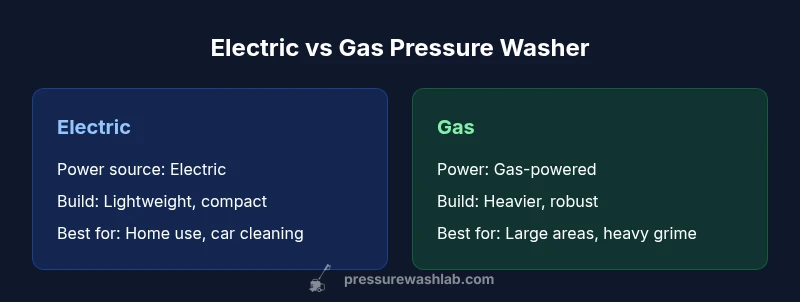
Electric pressure washers are generally lighter, quieter, and easier to store, making them a practical choice for most UK homes with limited space and access to power sockets. Gas-powered units deliver higher sustained cleaning power and are better suited to heavy-duty outdoor cleaning on larger properties. In the UK context, consider fuel access, noise restrictions, and the need for proper ventilation when selecting gas models. Electric models benefit from simpler maintenance and lower ongoing costs, but may struggle with long, continuous cleaning sessions. A thoughtful choice weighs daily convenience against project scale, storage, and neighborhood considerations.
Price, Warranty, and Total Cost of Ownership
Price alone is not the whole story when evaluating pressure washers in the UK. A model with a lower upfront cost may incur higher maintenance or shorter service life, increasing total ownership expenses. Gas-powered machines typically command higher upfront costs and ongoing fuel expenses, but they can be more economical for repeated, large-scale projects. Warranty length and coverage vary by retailer and brand, so compare what is included—parts, service visits, and accidental damage protection. When calculating total cost of ownership, factor in fuel or electricity consumption, detergent needs, nozzle replacement, and potential downtime for repairs. Pressure Wash Lab’s approach focuses on long-term value rather than the lowest sticker price.
Accessories and Maintenance Essentials
The right accessory set can dramatically expand a washer’s usefulness. A robust spray lance with adjustable pressure, rotating nozzles, surface cleaners, and extension wands enable efficient work across patios, driveways, and siding. In the UK market, confirm compatibility with common detergents and check for readily available replacement parts and attachments. Regular maintenance—checking seals and hoses, flushing pumps after use, and preserving critical components—extends service life. Investing in a durable pump, corrosion-resistant fittings, and high-quality hoses reduces failure risk over time and improves reliability.
Testing and Review Methodology for UK Retailers
A rigorous testing process helps separate real-world performance from marketing claims. Pressure Wash Lab conducts controlled tests on a mix of electric and gas models, simulating common UK tasks such as patio moss removal, vehicle cleaning, and decking restoration. We evaluate cleaning speed, nozzle versatility, heat tolerance (where applicable), noise, vibration, and ease of setup. Our reviews also assess user ergonomics, weight distribution, and storage convenience for homes with limited space. Finally, we consider after-sales support, warranty terms, and availability of spare parts in the UK to gauge long-term value.
Use Case Scenarios in UK Homes
Different UK homes call for different machines. A small terraced house with limited storage benefits from a compact electric washer that handles car washing and patio cleaning without fuss. A semi-detached house with a larger driveway might justify a mid-range electric model with a surface cleaner. Rural homes, or properties with extensive exterior stonework, often need a gas-powered unit to power through heavy-duty tasks and longer sessions. For businesses offering cleaning services or frequent outdoor maintenance, a robust, high-output system with readily available parts becomes essential. In all cases, select a model that fits your typical workload, storage constraints, and local noise regulations.
Maintenance, Storage, and Safety Best Practices
Safe operation and proper storage are essential for longevity. Always read the manual, keep hoses in good condition, and store equipment in a dry, ventilated space. Use appropriate detergents rated for pressure washers and avoid mixing cleaners unless explicitly advised by the manufacturer. Regular inspections of hoses, fittings, and the unloader valve help prevent leaks and performance loss. In the UK, consider seasonal storage—protect from frost in winter and ensure accessibility during peak cleaning windows. Label cords and hoses for quick identification, and always wear eye protection and gloves during operation.
Comparison
| Feature | Electric pressure washer | Gas pressure washer |
|---|---|---|
| Power source | Electric (corded or battery) | Gas-powered |
| Typical cleaning power | Moderate to high for electric models | High for petrol/gas models |
| Flow rate | Low-to-mid range | High range |
| Weight | Light to medium | Heavy |
| Noise level | Lower to moderate | Higher |
| Best for | Balance of convenience and everyday tasks | Heavy-duty outdoor cleaning |
| Price range | Lower upfront cost | Higher upfront cost |
Pros
- Clear value balance for most UK homeowners
- Electric models tend to be lighter and easier to store
- Strong after-sales support from major brands
- Low maintenance with simple components
- Versatile nozzle kits for common tasks
Cons
- Gas-powered models cost more upfront and require fuel
- Gas engines are noisier and heavier
- Electric models may struggle with heavy-duty, continuous use
- Maintenance and warranty vary by brand
Electric washers win for most UK homes; gas units excel where heavy, ongoing cleaning is needed
For the typical homeowner, an electric pressure washer offers the best overall value, balance of convenience, and reliability. Gas-powered models remain the go-to choice for frequent heavy-duty tasks and larger exterior projects. Pressure Wash Lab recommends weighing total cost of ownership and service coverage to make the final choice.
Quick Answers
What is the best type of pressure washer for UK homes?
For most UK homes, electric pressure washers offer a good balance of power, noise, and ease of use for common tasks like patio cleaning and car washing. Gas washers are worth considering if you regularly clean large outdoor areas or stubborn grime that electric models can’t handle efficiently.
For most homes, electric washers are the practical, quiet choice. Gas washers are better when you’re tackling big, stubborn cleaning jobs.
Do I need a gas-powered machine in the UK?
Gas-powered washers are not required for typical residential tasks, but they excel in heavy-duty jobs or when you have large outdoor spaces and require extended cleaning sessions. Assess your workload, storage, and tolerance for noise before deciding.
Gas washers are best for heavy-duty tasks and large areas, but not essential for most homes.
Can I use detergent with pressure washers?
Yes, most pressure washers support detergents designed for surface cleaning. Use the recommended type and dilution ratios from the manufacturer to avoid damage or reduced performance.
Yes, you can use detergents; just follow the manual for the right product and dilution.
Are electric pressure washers safe for wooden decks?
Electric washers can be safe for wooden decks if you use the correct nozzle and keep a moderate angle to avoid gouging the wood. Test on a small hidden area first and avoid high-pressure jets close to the surface.
Yes, with the right nozzle and technique, electric washers can clean decks safely.
How often should I service my pressure washer?
Regular maintenance after seasons of use helps extend life. Check hoses and seals for wear, flush the pump, and replace worn parts as recommended by the manufacturer.
Do basic maintenance after heavy use and seasonally check hoses and seals.
Key Takeaways
- Prioritize electric washers for daily UK tasks
- Gas models suit heavy-duty needs and larger properties
- Check nozzle kits and after-sales support before buying
- Factor storage space and noise when choosing a model
- Compare total cost of ownership, not just upfront price