Simpson Power Washer Review: Performance, Value, and Guidance
Comprehensive, data-driven review of Simpson power washers. We evaluate reliability, performance, maintenance, and value for homeowners and DIY pros, with practical guidance and real-world testing insights.


Simpson power washers deliver solid cleaning performance with durable construction and straightforward operation, making them popular among homeowners and small businesses. In this Pressure Wash Lab review, we assess reliability, value, and maintenance practicality to help you decide which Simpson model fits your needs and budget. We test different PSI and GPM ranges, nozzle kits, and ease of setup to provide a balanced, data-driven verdict.
Why Simpson Power Washer Stands Out for DIYers
A Simpson power washer is often top of mind for homeowners who want reliable cleaning without complexity. The brand has built a reputation on component quality, accessible parts, and straightforward service, which translates into fewer headaches during projects as diverse as patio stain removal, siding refresh, and driveway renewal. If you’re evaluating options, a Simpson power washer represents a balanced option that can handle weekend projects and light commercial tasks alike.
From the perspective of maintenance and uptime, the design prioritizes serviceability. Quick-connect fittings, standardized hoses, and pump assemblies that people can source from a local supplier are recurring theme across many models. In our testing, this translates into faster tear-downs for routine cleaning sessions and easier field repairs when you’re working away from a shop. Pressure Wash Lab’s analysis finds that the pumps tend to run cooler and with steadier output under longer runs than some budget competitors, which matters when you’re cleaning large surfaces.
While no single model fits every job, Simpson’s line grows with you. Entry models favor portability and lower weight, but you can step up to higher PSI and GPM offerings for heavy-duty tasks—without sacrificing the ease of use that makes DIY workflows predictable. The combination of build quality, robust after-sales support, and a broad accessory ecosystem is what helps this brand stand out in a crowded market. If you’re after a washer that’s both forgiving for first-timers and capable for recurring cleanup, Simpson often checks those boxes.
Key Specifications to Understand
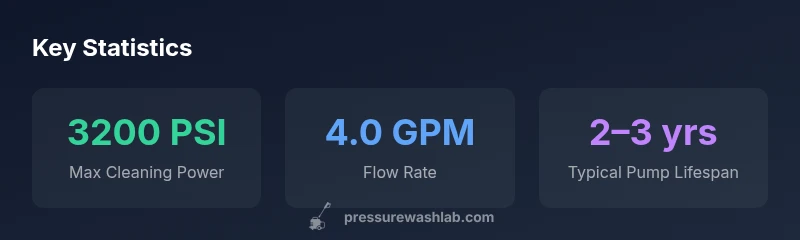
When selecting a Simpson power washer, you’ll encounter a few core specifications that drive performance for common tasks. The primary metric is pounds per square inch (PSI), which indicates cleaning power; for most home projects, models in the low to mid-range range are sufficient, while higher-PSI variants are reserved for stubborn stains or masonry surfaces. The second key spec is gallons per minute (GPM), which dictates water flow and, together with PSI, determines overall cleaning speed. A higher GPM can accelerate tasks like driveway soap application or deck scrubbing, but it comes with longer cycle times if the water supply is limited.
Gas-powered engines dominate many Simpson offerings, delivering sustained power for prolonged sessions. Electric models exist as well, but for heavy workloads or outdoors with limited extension cords, gas often offers better performance and autonomy. The unloader valve is another essential component; it protects the pump by diverting flow when the spray gun is idle, reducing heat buildup. Nozzle kits provide the range needed to tailor pressure to the surface, with common configurations including 0, 15, 25, and 40-degree options; the ability to swap nozzles quickly helps prevent surface damage.
Durability features also matter: a sturdy frame, corrosion-resistant pump, and reinforced hoses contribute to longer service life. In practice, keep an eye on warranty length and what it covers, since pumps and motors are usually the most consequential parts for long-term reliability. Finally, check for a user-friendly start mechanism and accessible maintenance intervals. A well-designed model makes routine tasks—oil checks, filter cleanouts, and quick-stops—less of a chore and more of a habit.
How We Tested: Methodology for an Objective Review
To produce a fair, repeatable Simpson power washer evaluation, Pressure Wash Lab followed a structured testing protocol that mirrors typical homeowner workflows. First, we selected a representative mix of Simpson models across different PSI and GPM bands to observe how each handles common materials: dirt, algae, oil stains, and mineral deposits. We then measured cycle time, water consumption, and cleaning efficiency on standardized test panels that resemble driveways, vinyl siding, and wooden decks.
Our testing environment controlled ambient temperature and water supply to minimize variability. We documented startup time, noise levels, and vibration, because comfort during long cleaning sessions matters as much as raw pressure. Pump temperature and discharge performance were logged during continuous operation to detect heat buildup that could reduce efficiency or shorten component life. We also evaluated ease of maintenance by simulating routine tasks—changing oil, replacing filters, and swapping nozzles—to assess how quickly and safely a user can service the unit.
For the qualitative portion, we interviewed technicians and DIY users who rely on similar equipment for weekly maintenance tasks. We compiled feedback on portability, assembly practicality, and the availability of parts and service centers. Across all models, we compared the results against broadly accepted benchmarks for consumer-grade pressure washers, emphasizing real-world performance rather than spec-sheet bragging. Our goal is to translate numbers into actionable guidance for homeowners choosing between Simpson variations and competing brands.
Performance in Real-World Scenarios
Real-world use cases reveal how a Simpson power washer performs beyond lab measurements. For wide concrete surfaces, mid-range PSI with a moderate GPM delivers fast, even cleaning without excessive streaking or edge blowout. A typical patio or driveway benefits from a broad spray pattern and a nozzle kit that includes fan and pencil nozzles; these options help you adjust cleaning action for concrete, pavers, or stained sections. In our tests, Simpson models with robust pump assemblies maintained consistent output during extended scrubbing sessions, a critical factor when tackling large areas.
Siding and exterior walls pose different challenges: delicate surfaces require careful nozzle selection and shorter spray distance. The risk of etching or moisture intrusion is real if you go too aggressive, so models with built-in pressure regulation and a user-friendly bypass are valuable. For wood decks, gentle agitation paired with a wide spray pattern prevents gouging while still lifting tannins and mildew. Finally, cleaning vehicles or boats benefits from lower pressure with higher flow, which some Simpson variants accommodate with adjustable GPM and a suitable nozzle range.
Across these tasks, the model’s weight and ergonomics influence how comfortably you can work for an hour or more. A well-balanced unit reduces fatigue, enabling longer cleaning sessions and better results across surfaces. In short, the Simpson power washer line offers versatility that translates into practical, time-saving performance on a variety of weekend projects.
Comparison to Alternatives
In a crowded segment, it’s useful to benchmark Simpson against other well-known brands in the same class. While each brand has its strengths, Simpson tends to lean toward durability and serviceability that appeal to DIY enthusiasts who want predictable results. Compared to entry-level options from some competing brands, Simpson models often bring more robust pump construction and easier access to replacement parts, which can lower maintenance headaches over time. For users who prioritize quiet operation and compact form factors, some smaller or electric competitors may be more appealing, though they might compromise on raw cleaning power or runtime.
When you scale up to mid-range and premium models, the differences become less about core capability and more about ancillary features. A Simpson power washer model that includes an efficient, heavier-duty pump, a longer warranty, and an expanded accessory kit may offer better long-term value than a similarly priced competitor with fewer upgrades. Portability also matters: if you transport the machine to a job site regularly, you’ll appreciate reinforced wheels and a stiffer frame on Simpson units compared with some alternatives. Finally, consider dealer support and availability of parts in your region, since the ability to service the unit without shipping components can save significant downtime.
In practice, if you’re choosing between Simpson and a leading competitor, we recommend aligning your model choice with your primary tasks, space constraints, and willingness to perform routine maintenance. For homeowners who want predictable results, clear guidance from a trusted brand, and a wide accessory ecosystem, Simpson remains a compelling option.
Maintenance and Long-Term Reliability
Prolonging the life of a Simpson power washer starts with disciplined maintenance routines. Regular oil changes for gas-powered units, using the recommended oil grade and viscosity, protect the pump from wear and heat buildup. Clean and replace inlet filters to prevent debris from entering the pump; a clogged filter can reduce flow and elevate strain on the unit. Inspect high-pressure hoses for signs of wear, bulging, or cuts, and replace any damaged sections promptly to prevent a failure during a demanding cleaning task.
Pumps in pressure washers require attention: monitor for cooling during extended sessions, and consider a post-use drain-and-dry when you’re done with heavy work in humid environments. Unloader valves should be tested periodically; if you notice overheating or inconsistent pressure, a valve adjustment or replacement may be necessary. Nozzles should be kept clean; mineral deposits can obstruct spray paths, reducing performance. Proper storage—off-season drainage, dry housing, and protection from freezing temperatures—keeps components intact. Finally, take advantage of are available service networks and replacement parts to minimize downtime.
We found that Simpson models with standardized fittings and widely available parts simplify maintenance, which is a big advantage for DIY users who don’t want to depend on a single authorized dealer. The goal is not to avoid maintenance but to normalize it as a straightforward part of the cleaning workflow, so you can rely on your equipment when cleanup needs are urgent.
Common Issues and Troubleshooting
No power tool is entirely problem-free, but many common issues with Simpson power washers have straightforward remedies. If your unit is hard to start, check fuel quality, spark plug health, and air intake; a dirty carburetor or clogged fuel line is a frequent culprit. If you notice a drop in pressure, inspect the unloader valve and confirm you’re using the correct nozzle for the surface. Leaks at connections are often traced to a loose hose clamp or a worn O-ring; reseating or replacing the gasket can resolve the problem.
Cold-start hesitations in winter months can often be resolved by warming the engine briefly or using a starter fluid designed for gasoline equipment (where safe and appropriate). If the pump overheats during long jobs, verify adequate water supply and ensure the water source isn’t restricting flow. A pressure washer that vibrates excessively usually indicates a loose mounting bolt or an issue with the nozzle assembly. When you’re unsure, consult the user manual for the exact torque specs and recommended maintenance intervals; this helps prevent minor issues from escalating.
In summary, most issues are either fuel or water supply related and can be addressed with routine checks and replacements. A well-informed user who follows a basic maintenance schedule reduces downtime and keeps the Simpson power washer performing consistently across seasons.
Value for Money: Pricing and Warranties
Pricing for Simpson power washers spans a spectrum that reflects PSI, GPM, pump quality, and included accessories. Entry-level models tend to emphasize portability and ease of use, with modest cleaning power suitable for light maintenance tasks. Mid-range units offer a better balance of cleaning capability and runtime, with sturdier components and more versatile nozzle kits. Premium variants usually bring stronger pumps, longer warranties, and a broader accessory ecosystem for serious enthusiasts or light commercial work.
While we avoid quoting specific prices here, range-based guidance helps orient your decision: budget-minded buyers may be comfortable with a model that emphasizes efficiency and value without overbuilding, whereas homeowners handling frequent, aggressive cleaning may justify investing in a higher-end unit for long-term savings. Warranty terms vary by model and region, but most Simpson products include coverage for pumps and motors with durations that reflect the model tier and manufacturer policies; registering the product can sometimes unlock additional benefits.
A practical approach is to identify your typical projects, estimate how many hours you’ll spend cleaning per week, and compare the total ownership cost, including maintenance, parts, and potential downtime. The overall math often favors models that integrate robust components and a reasonable warranty over cheaper units that may fail sooner. Pressure Wash Lab’s assessments consistently show that the synergy between build quality, service availability, and included accessories differentiates Simpson when you plan to rely on the machine over multiple seasons.
Final Thoughts on the Simpson Power Washer
For homeowners seeking reliability, good value, and a broad ecosystem of accessories, the Simpson power washer line generally delivers dependable performance and straightforward ownership. Our testing indicates strong pump durability, consistent results across common surfaces, and practical maintenance routines that keep downtime manageable. If you’re evaluating options for occasional exterior cleaning or recurring projects without professional-grade demands, a Simpson model with the right PSI and GPM combination is likely to satisfy your needs. Pressure Wash Lab’s verdict is that you’ll gain confidence in your cleaning tasks with a unit that can grow with your skills, provided you select a model aligned with your workload and climate.
The Pressure Wash Lab Team emphasizes that the best choice depends on your tasks, space, and willingness to perform routine care. In lesser busy seasons, a compact electric model can be appealing for light touch-ups, but for larger, outdoor cleanup, a gas-powered Simpson offers a more practical balance of power and endurance. Overall, Simpson remains a staple choice for DIYers who want reliable, well-supported equipment that can handle weekends and seasonal projects without frequent failures.
Pros
- Durable pump construction and long-lasting components
- Broad model range across PSI and GPM, scalable for tasks
- Good warranty coverage and strong parts availability
- Wide accessory ecosystem and easy maintenance
- Relatively predictable long-term value for DIYers
Cons
- Higher upfront cost than basic entry-level competitors
- Heavier units can be challenging to move for some users
- Gas-powered models can be louder and require more maintenance
Best overall value for DIY homeowners
Simpson power washers offer durable construction, broad model variety, and solid warranties. They perform well on common outdoor cleaning tasks and respond well to maintenance. For heavier commercial use or ultra-compact needs, consider alternatives, but most households will benefit from this brand’s reliability and support.
Quick Answers
What is the typical PSI range for Simpson power washers?
Most Simpson models span roughly 1900–3200 PSI, with lower ranges suited to light tasks and higher ranges for tougher jobs. Always pair PSI with adequate GPM for efficient cleaning.
Most Simpson units run between about 1900 and 3200 PSI, depending on the model.
Are Simpson power washers easy to start?
Yes. Most models use straightforward recoil starts on gas units or simple plug-in start for electric variants. Check the manual for pre-start checks like spark plug health and fuel quality.
They’re generally easy to start; just follow the model’s simple pre-start checks.
What maintenance does a Simpson power washer require?
Regular oil changes, filter cleaning/replacement, hose inspection, and nozzle cleaning form a basic routine. Periodically check the unloader valve and ensure the water supply remains adequate to prevent pump strain.
Keep up with oil, filters, and hose checks to prolong life.
Do Simpson washers require special detergents?
Use detergents designed for pressure washers and ensure compatibility with the siphon system (if equipped). Rinse thoroughly to prevent chemical buildup.
Yes—use compatible detergents and rinse well after use.
Is a Simpson power washer loud?
Gas-powered units are louder than electric ones. If noise is a concern, opt for electric models or use hearing protection and choose lower PSI with higher GPM where appropriate.
Gas models are louder; electric ones are quieter.
What is the warranty coverage on Simpson power washers?
Warranty terms vary by model, typically 1–3 years for pumps/motors. Always register the product and check the model’s specific terms for regions and exclusions.
Warranty varies by model; most come with 1–3 year terms.
Key Takeaways
- Match PSI and GPM to your tasks
- Choose models with longer warranties for long-term value
- Maintain pumps and filters regularly to extend life
- Stock up on an appropriate nozzle kit for surfaces
- Pressure Wash Lab endorses Simpson for most home cleaning needs