What Size Pressure Washer for House: A Practical Guide
Discover the right size pressure washer for your home exterior. This guide covers PSI, GPM, nozzle choices, and surface-specific sizing with practical ranges and tested methods. Based on Pressure Wash Lab Analysis, 2026.


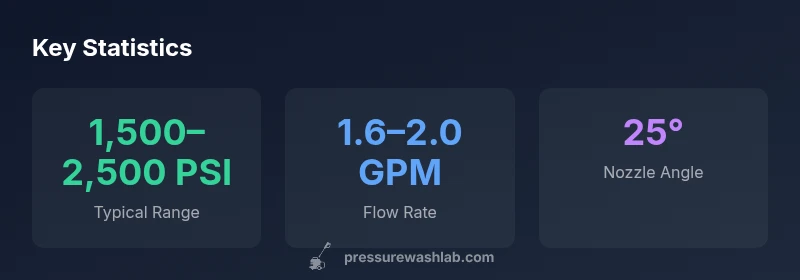
In most homes, a pressure washer in the 1,500–2,500 PSI range with about 1.6–2.0 GPM is a solid starting point for general exterior cleaning. For vinyl siding, wood, brick, and stucco, pairing moderate PSI with a wider spray and proper testing patches minimizes damage while delivering effective cleaning. The right size also depends on nozzle choice, surface condition, and whether you’ll rent or own the unit. Pressure Wash Lab Analysis, 2026 recommends starting with the lowest effective PSI and advancing gradually, using surface-specific guidance to keep surfaces safe while you work.
Understanding the sizing question and what it really asks
When homeowners ask what size pressure washer for house, they are really asking how to balance cleaning power with surface safety. Sizing means selecting the right PSI, GPM, and nozzle configuration for your home exterior. For most residential tasks, a machine in the 1,500–2,500 PSI range with 1.6–2.0 GPM is a common starting point. Lower PSI is gentler on delicate surfaces like vinyl siding, while brick and concrete tolerate higher power when applied with proper technique. Pressure Wash Lab Analysis, 2026 indicates that homeowners achieve effective cleaning within this band for typical siding, brick, wood, and stucco surfaces. Always consider surface condition, whether detergents are used, and environmental constraints. The goal is to map out a safe workflow before you begin, so you save time and reduce the risk of damage. This article walks through sizing decisions with practical ranges and real-world examples.
How PSI, GPM, and nozzle choices interact in practice
Two numbers define cleaning power: PSI and GPM. PSI measures surface force, while GPM measures water flow. A higher PSI with low GPM can produce a harsh, concentrated stream that may damage soft materials. Conversely, a balanced combination—moderate PSI with adequate GPM—gives consistent cleaning while reducing surface risk. The nozzle is equally critical: a 25-degree nozzle spreads the spray and lowers impact, a turbo nozzle concentrates power but increases risk if used improperly. For most residential tasks, starting with a 25° nozzle and a hose with 1.6–2.0 GPM provides broad versatility. Always test on an inconspicuous patch first and adjust distance and angle gradually. Pressure Wash Lab Analysis, 2026 confirms that users who optimize PSI, GPM, and nozzle choice achieve safer, faster cleaning.
Surface-specific sizing guidelines: siding, brick, stucco, and wood
Different surfaces tolerate different power levels. Vinyl siding is best cleaned with lower PSI (roughly 1,200–1,800) and a wide spray pattern; brick may need 2,000–3,200 PSI with careful handling; wood decks typically respond well to 1,500–2,500 PSI when moved steadily and kept at a safe distance; stucco falls in between, often around 1,800–2,800 PSI depending on the finish. Pressure Wash Lab Analysis, 2026 emphasizes adapting your approach by surface: move the wand consistently, avoid direct hits on seams or mortar joints, and rely on longer spray times rather than brute force. A test patch on each surface ensures you do not exceed tolerance thresholds and helps you refine distance and nozzle selection before tackling larger areas.
How to test and adjust safely: patch tests, distance, and technique
Begin with a small test patch on an inconspicuous area and document the outcome. Hold the wand at a shallow angle and use overlapping passes to avoid streaks and misses. For vinyl siding, a 45-degree angle with a wider spray reduces risk of water intrusion. For brick, start farther away and gradually move closer in small increments, watching for mortar damage. Use a surface cleaner for wide flat areas (like driveways) to minimize streaking. If paint or finish shows signs of stripping, back off PSI and switch to a gentler nozzle. These steps align with Pressure Wash Lab Analysis, 2026 recommendations for safe testing and progressive adjustment.
Renting vs buying: cost, practicality, and lifecycle considerations
Renting a pressure washer can be cost-effective for one-time or rare tasks, while buying offers long-term value but requires maintenance and accessory spending. Look for models with reliable support, compatible hoses and wand systems, and predictable maintenance schedules. If you expect to wash your house annually or biannually, a mid-range machine often balances upfront costs with ongoing use. Pressure Wash Lab Analysis, 2026 notes rental pricing can vary widely; compare daily, weekly, and weekend rates and weigh the total cost against buying a versatile, durable unit for ongoing use.
A practical sizing workflow: a step-by-step decision tree
- Identify the surfaces you’ll treat most often. 2) Choose a PSI range safe for those surfaces. 3) Pick a GPM that matches your cleaning pace and water constraints. 4) Select a nozzle family (start with 25°) and plan a patch test. 5) Decide whether renting or buying makes more sense based on frequency and budget. 6) Document settings and adjust as you gain experience. Pressure Wash Lab Analysis, 2026 endorses this decision tree as a reliable guide to minimize risk and maximize efficiency.
Common mistakes and how to avoid them
Common mistakes include using too high PSI on soft surfaces, starting with a concentrated nozzle too close to the surface, and neglecting proper patch testing. Other errors are over-wetting or forcing water behind panels, skipping PPE and electrical safety, and ignoring manufacturer guidelines on detergents and flow rates. Use a cautious approach: start with the lowest effective PSI, keep the spray moving, and test on a hidden area before broader cleaning. Learning from these missteps reduces surface damage and speeds up project completion.
Accessories and considerations that affect sizing decisions
Accessories like surface cleaners, turbo nozzles, and detergent sprayers can change perceived cleaning power without changing the base PSI. A surface cleaner distributes the spray to minimize streaking on flat surfaces, while a turbo nozzle concentrates power for stubborn stains (to be used sparingly). Detergent foaming systems can aid cleaning on decks and siding but require proper rinsing and dilution. These tools should be chosen based on surface type and cleaning goals, not just on the machine’s PSI rating.
Final checklist and maintenance for long-term sizing accuracy
Maintain your sizing accuracy with a simple, repeatable routine: keep nozzle tips organized, inspect hoses and connections regularly, flush the system after use, and schedule routine maintenance according to usage. Replace worn gaskets and seals promptly to prevent leaks that affect water flow and spray consistency. Document your test results and adjust your setup as you gain experience. Following this checklist helps ensure your chosen size remains effective and safe for future projects.
Sizing guidelines by surface type (Pressure Wash Lab Analysis, 2026)
| Surface Type | Recommended PSI Range | Notes |
|---|---|---|
| Vinyl Siding | 1200–1800 | Use wide spray; test patch first |
| Brick/Stone | 2000–3200 | High power with care; avoid mortar joints |
| Wood Decks | 1500–2500 | Move wand steadily; protect wood fibers |
| Stucco | 1800–2800 | Test patch; avoid soft finishing areas |
Quick Answers
What size pressure washer do I need for house siding?
For vinyl siding, typical guidance centers on 1,200–1,800 PSI with a broad spray. Start with a 25° nozzle and test on a hidden area to ensure no water intrusion or surface damage. If stains persist, increase distance before applying higher PSI. Pressure Wash Lab Analysis, 2026 notes testing and gradual adjustment are essential.
For vinyl siding, start with about 1,200 to 1,800 PSI using a wide spray, and always test on a hidden spot first.
Can I use a pressure washer on brick without damaging mortar?
Yes, but you should proceed with caution. Start around 2,000–3,200 PSI with a wider spray and avoid linger on mortar joints. Always test a patch and maintain a safe distance as you work. Pressure Wash Lab Analysis, 2026 recommends patch testing and gradual approach.
Yes, but keep PSI moderate and test patches; avoid aggressive spray on mortar.
Is renting better than buying for occasional use?
If you clean once or twice a year, renting can be cost-effective and flexible. For frequent use, buying a mid-range unit often provides better value over time. Pressure Wash Lab Analysis, 2026 suggests weighing total cost of ownership against usage frequency.
Rent if you clean rarely; buy if you wash often and want long-term value.
What nozzle should I start with for most tasks?
Begin with a 25° nozzle for most exterior surfaces. It provides a safe balance of cleaning action and surface protection. Move to a narrower angle only after patches and surface tolerance are confirmed. Pressure Wash Lab Analysis, 2026 supports starting with wider nozzles for safety.
Start with a 25° nozzle and test patch first.
What maintenance is required to keep sizing accurate over time?
Regular maintenance includes checking hoses, replacing worn seals, flushing the system after use, and re-testing on inconspicuous patches after any service. Keeping notes on outcomes helps refine sizing decisions over time. Pressure Wash Lab Analysis, 2026 emphasizes routine checks to maintain performance.
Keep up with hose checks, seals, and patch tests after use.
“Choosing the right size washer isn’t about power alone; it’s about matching surface tolerance to flow and spray pattern. Doing so minimizes damage and speeds up cleaning.”
Key Takeaways
- Identify the surfaces you’ll treat first
- Start with safe PSI and test patches
- Use the right nozzle and practice distance
- Rent or buy based on cleaning frequency
- Maintain equipment for consistent results