What to Use Before Pressure Washing: A Practical Guide
Learn the essential prep steps, tools, cleaners, and safety practices you need before pressure washing. This guide covers surface types, PPE, environmental considerations, and step-by-step prep to maximize results and minimize damage.


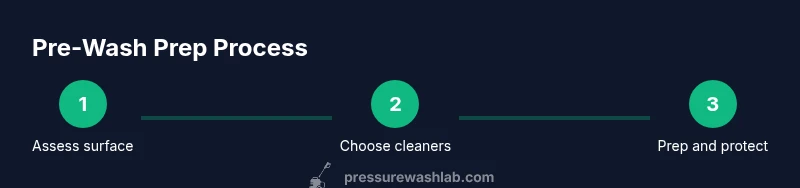
Before you blast away grime, prepare the surface, choose safe cleaners, and gather PPE. The key steps include testing a small patch, protecting plants and electronics, selecting the right nozzle and detergent, and rinsing thoroughly. Proper pre-wash prep reduces damage, improves results, and keeps you safer during the job. Follow these basics to set up for success.
Why prep matters before pressure washing
Prep time is not optional; it protects your property, extends equipment life, and yields better cleaning results. Before you pull the trigger, think about the surface type, the stain intensity, and the surrounding landscape. Pressure washing can push debris, drive water into vulnerable gaps, and even damage paint if you skip proper prep. A well-planned approach reduces rebound splatter and saves you time by avoiding rework.
Start with a quick surface assessment: identify vinyl siding, wood, concrete, brick, or metal. Each material has different tolerances for pressure, heat, and cleaners. For delicate surfaces like aged wood or older painted surfaces, you may need lower PSI or a gentler spray pattern. Always test a small, inconspicuous area first to verify that your cleaning solution and pressure won’t damage the finish. If a patch shows discoloration, stop and adjust your plan.
Beyond the surface, consider nearby plants, windows, electrical outlets, and outdoor furniture. Pre-wash and cover those items to prevent chemical exposure or spray damage. You’ll also want to plan for runoff: use containment or route water away from foundations, gardens, and storm drains. When done right, prep creates clearly defined goals, reduces the risk of costly repairs, and helps you clean more efficiently.
description_markdown_sentiment_id":null},
Tools & Materials
- Pressure washer(Ensure PSI/GPM is appropriate for your surface type; inspect hoses for wear.)
- Detergent/cleaner formulated for the surface(Use cleaners compatible with the surface (e.g., mildewcide for siding, degreaser for concrete).)
- Spray nozzle compatible with surface(Typically 25-40 degree nozzles work for general cleaning; avoid wide open nozzles on delicate surfaces.)
- Garden hose with adjustable nozzle(Provide a steady water supply and control spray pressure.)
- Safety goggles(Protect eyes from debris and chemical splashes.)
- Gloves (chemical-resistant)(Protect skin from cleaners and pressure spray.)
- Non-slip footwear(Mitigate slip hazards on wet surfaces.)
- Tarps or plastic sheeting(Cover plants, furniture, and adjacent landscaping.)
- Plant protection covers or shields(Guard plants from chemicals and spray drift.)
- Extension wand or telescoping pole(Reduces ladder use and reach tall areas safely.)
- Brush or scrub pad(Loosen stubborn grime on textured surfaces.)
- Water containment/cleanup bag(Collect runoff if required by local regulations.)
Steps
Estimated time: 60-90 minutes
- 1
Inspect surface and plan the approach
Survey the entire area to categorize surfaces (vinyl, wood, brick, concrete) and note any fragile features. Decide the cleaning method, detergent choice, and PSI range you’ll use. Document a quick plan so you stay consistent across sections and avoid over-pressurizing delicate areas.
Tip: Take photos of problem spots before you start to document the condition and reference a safe plan for later touch-ups. - 2
Gather tools and PPE
Assemble the washer, nozzle, hoses, cleaners, and PPE. Verify that all safety gear is available and in good condition. Prepare plant covers and containment as needed so you’re not scrambling mid-clean.
Tip: Lay out items in a clean workspace so you can move through steps without backtracking. - 3
Test patch on inconspicuous area
Apply cleaner and a light spray to a hidden patch to observe any adverse reaction. If the surface discolors or the finish lifts, reassess your cleaner choice or reduce pressure.
Tip: Use a dry-run test on a small area and wait a few minutes to see the reaction before full-scale cleaning. - 4
Protect surroundings and electrical outlets
Cover plants, secure outdoor furniture, and shield electrical outlets or cords from spray exposure. Consider taping off edges or turning off exterior electrical circuits if safe.
Tip: Keep a safe clearance around outlets and sensors to prevent short circuits or damage. - 5
Prepare cleaning solution and dwell time
Mix the cleaner per label instructions and apply evenly. Allow the solution to dwell for the recommended contact time (usually 5-15 minutes) to break down grime without drying out or etching surfaces.
Tip: Avoid letting cleaners dry on hot surfaces to prevent streaking or damage; re-wet as needed. - 6
Apply detergent and scrub as needed
Apply the cleaner to the most soiled zones first, then use a light scrub or brush on textured surfaces. Maintain tension on the surface to prevent gouging and keep the spray perpendicular to avoid streaks.
Tip: Keep the nozzle at a safe distance to avoid pitting or warping delicate siding. - 7
Rinse thoroughly from top to bottom
Begin rinsing at the top and work downward, ensuring all cleaner and grime are flushed away. Adjust nozzle and distance to avoid blowing debris into nearby plants or windows.
Tip: Do not rush; a slow, even rinse prevents streaking and ensures complete removal of cleaner. - 8
Inspect and perform touch-ups
After rinsing, re-check for remaining stains or missed spots. Reapply cleaner to stubborn areas and rinse again. Store equipment properly to avoid leaks and contamination.
Tip: Revisit problem areas while the surface is still damp for best results.
Quick Answers
What is the best surface cleaner for vinyl siding?
For vinyl siding, start with a mild detergent and a soft-bristle brush or sponge. Test a small area first, then use a lower pressure setting to avoid distortion or etching. Avoid harsh chemicals that could degrade the siding over time.
For vinyl siding, use a mild detergent and test first. Keep pressure gentle and surface clean without harsh chemicals.
Can I use bleach when pre-washing?
Bleach can be harsh on some materials and may damage finishes or vegetation. Check the surface material and label guidance. If you choose to use bleach, dilute it properly and never mix with ammonia or acids; rinse thoroughly.
Bleach isn’t ideal for all surfaces. If used, dilute correctly and never mix with ammonia; rinse well afterward.
Do I need to pre-wet the surface before applying cleaner?
Pre-wetting helps prevent suction of grime and reduces cleaner drying on surfaces. It also creates a uniform cleaning surface, especially on porous materials like concrete or brick.
Yes, pre-wet to keep cleaners from drying too fast and to help even cleaning on porous surfaces.
How long should pre-wash cleaner dwell?
Follow the cleaner’s label for dwell time, typically 5-15 minutes. Do not let the solution dry on the surface as it can cause streaks or damage.
Dwell time is usually 5 to 15 minutes; don’t let it dry on surfaces.
What PPE is essential for pre-washing?
Wear safety goggles, chemical-resistant gloves, and non-slip footwear. If you’re near loud equipment, use hearing protection and ensure guards are in place.
Goggles, gloves, and non-slip shoes are essential; protect ears if the washer is loud.
Watch Video
Key Takeaways
- Prepare surfaces and surroundings before spraying
- Choose cleaners compatible with materials and follow label guidelines
- Protect people, pets, and plants; use proper PPE
- Test patches, then clean methodically from top down
- Rinse thoroughly and inspect for missed spots