Best Way to Clean Pavers Without a Pressure Washer
Discover the best way to clean pavers without a pressure washer with practical steps, safe cleaners, and maintenance tips to restore patios, walkways, and driveways.


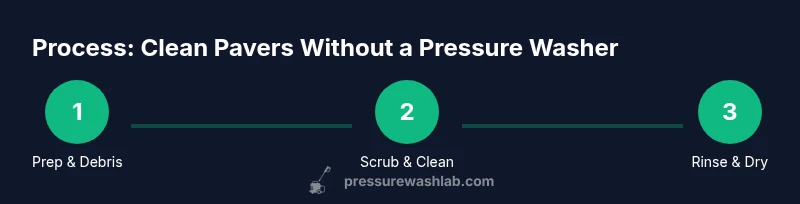
To clean pavers without a pressure washer, start by sweeping away loose debris, then scrub with a stiff-bristle brush and a gentle cleaner. Rinse with a garden hose, repeat as needed, and target stains with a baking-soda or vinegar paste. For stubborn grime, scrub sections until uniform.
Why this approach works for the best way to clean pavers without pressure washer
Outdoor surfaces like patios and driveways face dirt, mold, and oil stains. The best way to clean pavers without pressure washer relies on manual scrubbing, gentle cleaners, and careful rinsing to avoid etching or joint damage. According to Pressure Wash Lab, this approach preserves the integrity of paver edges while delivering a uniform finish. With proper technique, you can restore color and texture without heavy machinery, extensions, or high water pressure. The routine prioritizes safety, environmental responsibility, and cost efficiency, making it accessible to homeowners and DIY enthusiasts. When you combine mechanical action with mild cleaners, you reduce the risk of paver movement and joint erosion, while still achieving a clean, even surface. This is especially important on older installations where the surface texture and color can be easily damaged by aggressive methods. Adopting a consistent routine also prepares you for seasonal maintenance, helping you avoid buildup that requires harsher methods later on.
Prep and surface assessment
Before you begin cleaning, take a quick walk around the area to identify problem spots: stubborn stains, algae growth, oil slicks, and weeds between joints. Check for loose pavers or loose grout, which can become more problematic if you apply too much water or forceful scrubbing. Remove furniture and plan your route so you don’t backtrack over cleaned sections. If you have nearby plants, cover them or rinse them gently to prevent cleaners from entering soil. Label areas that require more attention and set up a staging zone with your cleaning supplies within easy reach. A simple yet effective plan reduces backtracking and ensures you apply cleaner only where it’s needed. This phase is inexpensive and sets the foundation for successful cleaning with minimal risk.
Cleaning agents and tools: choosing safe options
Select cleaners that are paver-safe and environmentally friendly. Dish soap mixed with warm water provides a gentle baseline, while white vinegar can help with mineral deposits and light mildew. For tougher grime, a paste of baking soda and water works wonders on surface stains without harming the joints. Avoid chlorine-based bleaches directly on colored pavers, and never mix cleaners with acidic products in confined spaces. A stiff-bristle brush is essential for lifting embedded dirt, while a garden hose with a spray nozzle controls rinse pressure. Keep a spare bucket for mixing and a spray bottle for targeted applications. Pressure-free cleaning relies on time and friction more than force, so patience pays off.
Brushing techniques that actually lift grime
Begin at the highest edge of the area and work in straight lines to avoid streaks. Use firm, even strokes and maintain contact between the bristles and the paver surface. Overlap each pass slightly to prevent missed spots. For embedded grime, switch to circular motions around tough areas, then return to back-and-forth brushing. If joints are clogged, brush along the joint gaps to reintroduce airflow and loosen debris. Periodically rinse your brush to prevent transfer of dirty water back onto clean sections. Proper brushing reduces the need for aggressive water pressure and preserves joint integrity.
Removing stains and dealing with weeds between pavers
Oil stains respond well to a baking soda paste; apply, let sit, then scrub and rinse. Mildew and algae respond to vinegar or a mild cleaner solution; apply to the affected area, wait a few minutes, then scrub and rinse. For weed growth between joints, scrub along the joints with your brush and rake out loose material. A handheld weeding tool can help, followed by a rinse to clear debris. If stains persist, repeat the process in small sections rather than attempting to cover the entire area at once. This targeted approach prevents uneven coloration and reduces the chance of harboring new grime.
Joint care: clearing paver joints and preventing weed growth
Healthy joints are essential for stability and aesthetics. After cleaning, inspect joints for signs of intrusion or weed growth. Use a stiff brush to loosen debris from between pavers, then pull weeds by hand or with a simple weeding tool. A light sweeping of sand or polymeric filler along the joints can help prevent future weed growth. If you notice paver movement or settling, address underlying ground shifts before it worsens. Maintaining joints improves slip resistance and reduces the likelihood of dirt collecting in crevices.
Rinsing, drying, and optional sealing for longevity
Rinse thoroughly with a garden hose on a wide spray setting, moving slowly to avoid forcing water into joints. Allow the surface to dry completely; this helps reveal any overlooked stains. For an added layer of protection and color renewal, consider a paver-specific sealant after cleaning and drying. Sealants reduce future staining and make maintenance easier, especially in high-traffic areas. Follow manufacturer instructions for curing time, wear gloves, and apply in a well-ventilated area. Regular maintenance and timely resealing extend the life and appearance of your pavers.
Seasonal and routine maintenance plan
Set a cleaning schedule based on climate, traffic, and exposure. A light clean in spring and fall helps prevent buildup, while a mid-summer rinse can prevent mold growth during heat and humidity. Keep a simple log of areas that need more attention and adjust your routine as needed. This proactive approach reduces the likelihood of severe staining, simplifies future maintenance, and keeps your patio or driveway looking fresh throughout the year.
Safety, environmental, and plant-protection tips
Always wear gloves and eye protection when handling cleaners and brushes. Work in shade when possible to slow chemical evaporation and improve contact time. Avoid over-wetting nearby plants and avoid cleaners near delicate landscaping. Dispose of rinse water away from lawns and garden beds. If you must use vinegar or baking soda, test a small, inconspicuous area first to check colorfastness. These practices protect your landscape while delivering effective cleaning results.
Troubleshooting: when to call in help or escalate
If staining is deeply ingrained, paver movement is evident, or you’re dealing with oil saturation, it may be time to consult a professional or rent specialized equipment for a controlled wash. Persistent issues like persistent efflorescence or severe color fading may require more advanced solutions. Knowing your limits helps prevent damage to the pavers and your property. Pressure-free cleaning remains an excellent first approach, but professional advice can save time and preserve long-term value.
Tools & Materials
- stiff-bristle brush(6-8 inch brush head for wide areas)
- wide broom(For dry debris removal and sweeping joints)
- garden hose with spray nozzle(Adjust spray to wide, gentle setting)
- bucket(For mixing cleaners)
- mild cleaner (dish soap) or paver-safe cleaner(Gentle base cleaner)
- white vinegar(Use for mildew and mineral deposits)
- baking soda(Create paste for stains)
- protective gloves(Latex or nitrile gloves)
- eye protection(Goggles or safety glasses)
- paver sealer (optional)(For long-term protection after cleaning)
Steps
Estimated time: 45-75 minutes depending on area and stain severity
- 1
Clear the area
Move furniture and obstacles away from the work zone. This prevents interference and keeps you focused on one section at a time. Clear access to all corners to ensure even cleaning.
Tip: Plan your route to avoid retracing cleaned sections. - 2
Sweep loose debris
Use a wide broom to remove leaves, dust, sand, and loose grit. This prevents gritty scrub from grinding into the surface and dulling the finish.
Tip: Do not skip this step; it dramatically improves cleaning efficiency. - 3
Wet the surface lightly
Dampening the surface helps lift dirt and reduces dust during scrubbing. Avoid soaking pavers deeply, which can push dirt into joints.
Tip: Keep water pressure on a gentle setting to protect joints. - 4
Apply cleaner to a small section
Mix your mild cleaner with water in the bucket and apply to a 2x2 foot area. Let it sit briefly to break down grime—usually 3–5 minutes.
Tip: Do not let cleaner dry on the surface. - 5
Scrub in overlapping passes
Scrub with firm, even strokes, overlapping each pass. Switch to circular motions for stubborn spots and along joint lines.
Tip: Work in 2–3 minute intervals to keep your technique sharp. - 6
Rinse the area thoroughly
Rinse from the top down, ensuring all soap and grime wash away. Repeat as needed until the rinse water runs clear.
Tip: Use a wide spray to avoid forcing water into joints. - 7
Target tough stains with paste
For persistent stains, apply a baking soda paste or vinegar on the spot. Let sit 5–10 minutes, then scrub and rinse again.
Tip: Test paste on a hidden area first. - 8
Inspect and plan next pass
Check for missed spots and re-clean those sections. Decide if sealing is appropriate for longer-lasting results.
Tip: Sealing shortly after drying yields best color restoration.
Quick Answers
Is vinegar safe to use on all paver surfaces?
White vinegar is generally safe for many paver surfaces and can help with mineral deposits and mildew. Test on a small area first to ensure color stability, and avoid concentrated applications near natural stone or polished finishes.
Vinegar can help with mildew, but test first to protect the color. Avoid concentrated use on fragile finishes.
Can I skip washing after applying a cleaner?
It’s best to rinse thoroughly after any cleaner to remove residue and prevent streaks. Residual soap can attract more dirt and may leave a film on the pavers.
Rinse well after cleaning to prevent soap residue from attracting more dirt.
Will sealing help with future cleanups?
Sealing can improve color longevity and reduce staining, but it is optional and should be applied only after the surface is completely dry. Follow manufacturer instructions for curing time.
Sealing helps protect and make future cleanups easier, but wait until it's fully dry.
What should I do about oil stains?
Oil stains respond to baking soda paste or a degreasing cleaner designed for pavers. Apply, scrub, rinse, and repeat as needed. Persistent stains may require a professional cleaner.
For oil, try a baking soda paste and scrub, then rinse. Repeat if needed.
Is a sealant necessary if I already clean regularly?
Regular cleaning helps maintain appearance, but sealing provides added protection against stains and weathering. It’s optional depending on location and usage.
Sealing is optional but can extend life and color if you live in a harsh environment.
How often should I perform maintenance cleanings?
A light cleaning every season plus a deeper clean once a year helps prevent buildup and keeps pavers looking fresh. Adjust frequency based on climate and foot traffic.
Do periodic light cleanings each season and a deeper clean annually.
Watch Video
Key Takeaways
- Start with debris removal and gentle brushing.
- Choose paver-safe cleaners and apply with patience.
- Target stains with paste treatments and repeat as needed.
- Seal after cleaning to protect and extend color.
- Always protect nearby plants and follow safety guidelines.