Blast Off Pressure Washing: The Complete How-To Guide
A comprehensive, step-by-step guide to blast off pressure washing for homeowners and DIY pros. Learn prep, tool choices, safety, and techniques to remove stubborn grime without damaging surfaces in 2026.


Blast off pressure washing describes a targeted cleaning method that uses high-energy water flow to remove built-up grime from hard surfaces. The approach relies on proper surface prep, safe power levels, and overlapping passes to avoid damage. This guide shows how to plan, choose tools, and execute the method effectively and safely.
What is Blast Off Pressure Washing?
Blast off pressure washing is a targeted cleaning method that uses a high-energy water stream to remove built-up grime, mold, and stains from hard surfaces. The term evokes a controlled burst: you apply selected nozzle angles at safe distances and sweep in overlapping passes so you don’t gouge or streak. According to Pressure Wash Lab, the most effective applications combine surface prep, proper equipment, and a clear plan to minimize damage while maximizing dirt removal. The approach works best on exterior surfaces like concrete, brick, siding, and decks when you balance power with gentleness. Before you begin, identify the surface type and any coatings or sealants, because wood, vinyl, and painted surfaces respond differently to pressure. Testing on a small, inconspicuous area is essential to verify that the chosen nozzle and distance won’t mar the surface. Also consider environmental factors such as nearby vegetation and electrical outlets. Finally, set expectations: most cleaning tasks require multiple passes, varying speeds, and appropriate dwell times for any detergents used. A methodical plan, not brute force, yields the best results and protects your investment.
Core Principles Behind the Technique
At the heart of blast off pressure washing are several core principles: selecting the right nozzle angle, maintaining a safe standoff distance, using overlapping passes, and judiciously applying detergents when appropriate. A wide-angle nozzle covers more area with gentler impact, while a narrower angle delivers more power at close range. The key is to avoid blasting surfaces at close range with high pressure, which can cause flaking or gouges, especially on soft or painted surfaces. Non-porous surfaces respond differently than porous ones; porous wood or brick may absorb moisture or swell if pressure is misapplied. Dwell time matters when detergents are used—follow the manufacturer’s guidance and rinse thoroughly to prevent streaks. Pressure Wash Lab emphasizes mapping out each section, cleaning from top to bottom, and protecting nearby plants and windows from runoff. Weather conditions and surface temperature also influence cleaning efficiency; cooler surfaces resist quick drying, while sunny days can reduce carryover. A structured approach yields repeatable, professional results.
Safety and Prep Steps Before You Start
Safety is non-negotiable in blast off pressure washing. Begin by pulling on PPE: safety glasses, hearing protection, gloves, non-slip footwear, and a long-sleeve shirt. Clear the area of kids, pets, and vehicles, and cover delicate plants with plastic shields or tarps. Inspect the equipment for damaged hoses, leaks, or worn nozzles, and test the spray on an inconspicuous patch first. Read the surface manufacturer’s recommendations for cleaning agents and pressure limits, and never exceed those guidelines. Keep a first-aid kit and a fire extinguisher nearby if you’re working around electrical outlets or stacked materials. Finally, plan escape routes and work zones that minimize the risk of slips or trips caused by slippery runoff. Following these steps helps prevent accidents and protects the surfaces you’re cleaning.
Surface Assessment and Detergents
Different materials demand different approaches. Start by categorizing the surface: concrete, brick, wood, vinyl siding, or painted surfaces. For porous materials like wood and brick, use gentler pressure and a wider nozzle to avoid soaking through seams or warping edges. If detergents are needed, choose a product compatible with the surface and safe for greenery nearby. Always do a spot test in a hidden area before treating a larger section. Detergents should dwell only as long as the manufacturer recommends, then be rinsed away with clean water. Be mindful of run-off into gardens or storm drains; consider using containment methods if you’re near sensitive landscaping. Pressure Wash Lab stresses that the right cleaner, paired with a conservative spray, yields the best balance of cleaning power and surface safety.
Equipment Setup for Maximum Power
To maximize effectiveness while staying safe, assemble your gear in a logical order: start with a clean water supply, attach the appropriate nozzle, and ensure the wand is secure. For most exterior cleaning, a 25-degree or 15-degree nozzle provides a good balance of coverage and power on hard surfaces; avoid 0-degree nozzles on anything other than trained hands and very controlled applications. Use a surface cleaner for large flat areas like driveways to improve evenness and speed. If you’re working on tall or high areas, use an extension wand or a stable ladder setup with a helper. Check hose connections for leaks, and never kink hoses under pressure. Finally, pre-wet surfaces to help detergents spread evenly and prevent sudden bursts of concentrated spray that could damage edges.
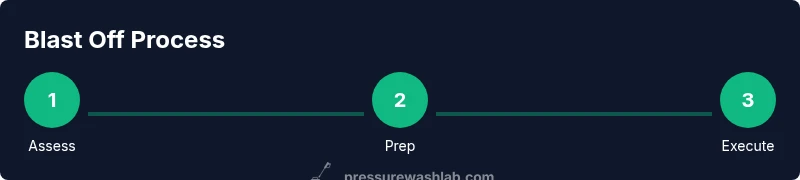
Step-by-Step Execution: The Blast Off Process
Begin by surveying the area and identifying fragile elements such as windows, siding seams, and trim. Apply detergent if needed and let it dwell according to the product instructions. Switch to the appropriate nozzle and start at the highest point, working in vertical strips with overlapping strokes. Maintain a steady hand and a safe standoff distance to prevent spray from creeping into outlets or seams. Rinse from top to bottom, ensuring runoff does not re-soil cleaned sections. For tough stains, move closer with the more powerful nozzle for a short pass, then immediately retreat to a wider angle for a final rinse. Finish with a thorough overall rinse to clear detergent residues, and allow surfaces to dry naturally. If you encounter persistent stains, reapply a targeted pass after a brief dwell period and re-rinse. Safety remains essential throughout the process, and stepwise, controlled execution yields the best results.
Stain and Grime Management: When to Re-Apply
Not all grime responds to a single pass. Treat stubborn zones with a targeted approach: reapply detergent in a smaller area, increase dwell time slightly if manufacturer guidelines permit, and use a shorter, more powerful pass to break up the residue. After the treatment, rinse thoroughly and inspect the surface for any remaining spots. Some stains may require a second application or a different cleaner formulated for the stain type. Avoid over-wetting the surface or causing runoff to pool near foundations, as this can lead to water intrusion or mold growth behind siding. Pressure Wash Lab recommends documenting areas that need extra attention for future projects to improve efficiency over time.
Post-Wash Care and Maintenance
Once cleaning is complete, run clean water through the system to purge residual detergent. Inspect hoses and connections for wear, and store equipment in a dry, shaded area away from direct sunlight. Wipe down surfaces if residual mist has left a film, especially metal or painted areas, to prevent spotting. Clean up the work area by collecting loose debris and properly disposing of dirty rinse water. Performing routine maintenance—checking nozzle tips for wear, draining the pump, and testing the pressure gauge—extends equipment life and ensures consistent results on future jobs.
Real-World Scenarios: Residential vs Commercial
Residential projects typically involve smaller surface areas and gentler applications, with more emphasis on protecting landscaping and exteriors like vinyl or painted wood. Commercial projects may require longer runtimes, higher GPM capabilities, and more frequent pass overlaps to maintain a uniform clean across larger surfaces such as parking lots or building exteriors. In both cases, plan for weather variations and surface temperature, and tailor nozzle choices and detergent selections accordingly. Pressure Wash Lab notes that consistent technique, attention to safety, and a clear plan help ensure predictable outcomes whether you’re cleaning a driveway or a multi-story building.
Tools & Materials
- Pressure washer (gas-powered or electric)(Ensure outdoor suitability and match GPM/PSI to project scale.)
- Nozzles (15-degree and 25-degree)(Have a wide-angle nozzle for broad areas and a narrower nozzle for tough spots.)
- Detergent suitable for pressure washers(Choose a surface-appropriate formula; test first on a hidden area.)
- Extendable wand or surface cleaner (optional)(Helpful for reach and flat surfaces.)
- Protective gear (eye protection, gloves, hearing protection, non-slip footwear)(Follow safety guidelines; PPE reduces injury risk.)
- Masking supplies (plastic sheeting, tape)(Shield windows, plants, and electronics from spray.)
- Garden hose with water supply(Connect to supply or compatible source used by the unit.)
- Stiff brush and push broom(Pre-scrub stubborn stains if needed.)
- Drop cloths or tarps(Protect landscaping and delicate features.)
- Dwell-time-safe cleaners for tough stains (optional)(Only use products recommended by surface manufacturers.)
Steps
Estimated time: 1 hour 15 minutes
- 1
Inspect area and plan passes
Survey the surface to identify coatings, materials, and any fragile features. Map out starting points, overlap zones, and safe zones to protect surroundings. This planning reduces rewashes and protects landscaping and windows.
Tip: Walk the area with a light pass on a test patch to confirm surface response. - 2
Protect surroundings and prep surface
Cover plants and windows, remove obstacles, and pre-wet surfaces if suitable. Clear runoff pathways and place mats to catch debris. Proper staging speeds up the actual cleaning and reduces risk of damage.
Tip: Use reusable shields or tarps for repeated sections to save time. - 3
Attach nozzle and set initial pressure
Choose the 25-degree nozzle for general cleaning and adjust the spray pattern to avoid direct contact with fragile edges. Confirm that the spray is not hitting doors, outlets, or windows from the start.
Tip: Start with the widest nozzle and lower pressure, then increase only if needed. - 4
Apply detergent and dwell
If detergent is required, apply it evenly to the surface and let it dwell per product instructions. Use a light, even spray to ensure the cleaner penetrates grime without pooling.
Tip: Avoid leaving cleaner on hot surfaces; rinse if temperatures rise quickly. - 5
Rinse with top-to-bottom passes
Begin at the top of the area and work downward with overlapping strokes. Keep the nozzle at a safe distance and avoid concentrating spray at one spot for long.
Tip: Overlap by about one nozzle-width to prevent streaks. - 6
Tackle tough stains with focused passes
For stubborn areas, switch to a narrower nozzle briefly and perform short, controlled passes. Immediately retreat to a wider nozzle for an even rinse to reduce risk of edge damage.
Tip: Limit close passes to prevent fiber lift or surface gouging. - 7
Final rinse and inspect
Do a thorough rinse to remove any detergent residues. Inspect for missed spots and re-clean if necessary, then allow surfaces to dry naturally.
Tip: Check for visible streaks or damp patches and readdress promptly. - 8
Clean up and store equipment
Drain hoses, clean nozzle tips, and store gear in a dry, shaded area. Be sure to detach adapters and coil hoses properly to extend equipment life.
Tip: Run a quick water flush through the system before storage. - 9
Post-project evaluation
Walk the cleaned areas and compare against the planned outcomes. Note any areas needing re-treatment or follow-up maintenance.
Tip: Document results for future reference and scheduling.
Quick Answers
What is blast off pressure washing?
Blast off pressure washing is a high-energy cleaning approach that uses a selected nozzle and surface prep to aggressively remove grime from hard surfaces. It emphasizes planning, safety, and controlled passes to protect surfaces while achieving deep cleaning.
It’s a high-energy cleaning method that relies on the right nozzle and preparation to remove stubborn grime without causing damage.
Is blast off pressure washing safe for wood siding?
Yes, but only when using appropriate nozzle angles, higher distances, and gentle passes. Always test on a hidden area first and avoid prolonged spray on vulnerable seams.
Yes, with caution. Test first and use gentler settings on wood siding.
Can I use hot water for blast off pressure washing?
Hot water is not always required. Many surfaces respond well to cold water with the right nozzle and detergent. Check surface guidance before heating water.
Hot water isn’t always needed; follow surface guidelines and use cold water when unsure.
What PSI should I use?
Follow the surface manufacturer’s recommendations and start with lower pressure. Increase gradually only if the surface tolerates it and remains undamaged.
Follow the surface guidelines and start low, increasing carefully as needed.
How long does a typical blast off job take?
Duration depends on surface area and grime. Plan for time to prep, treat, rinse, and inspect, with additional time for stubborn spots.
It varies, but plan for prep, cleaning, and inspection in one session.
Should I hire a professional for tough jobs?
For large, high, or delicate surfaces, or if you’re unsure about techniques, consulting a professional reduces risk and ensures quality results.
For big jobs or tricky surfaces, consider a pro to ensure safety and good results.
Watch Video
Key Takeaways
- Plan passes and test a small area first
- Use the right nozzle for balance of power vs gentleness
- Protect plants, windows, and electrical components
- Work from top to bottom with overlapping strokes
- Inspect surfaces after cleaning for missed spots