Can You Soft Wash with a Pressure Washer? A Practical Guide
Explore how to safely soft wash with a pressure washer, including surfaces, safety, cleaners, and step-by-step techniques to achieve thorough cleaning without damage.


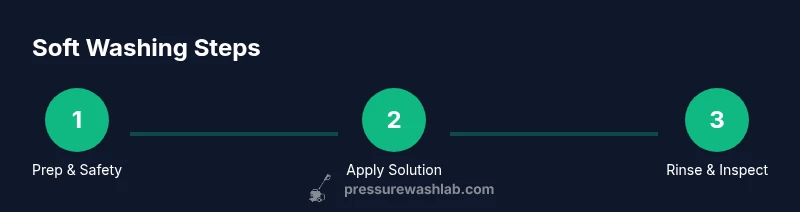
Yes, you can soft wash with a pressure washer, but you must use low pressure and proper technique to avoid damage. Set the machine to 500–1500 psi (or use a soft wash setting if available) and choose a wide-angle nozzle. Apply a cleaning solution with a compatible detergent, dwell briefly, and rinse from top to bottom. Protect plants and electrical outlets.
What is soft washing?
Soft washing is a cleaning method that uses low-pressure water combined with specialized cleaning solutions to safely remove dirt, algae, and mold from exterior surfaces. Unlike traditional power washing, which relies heavily on high PSI to blast grime away, soft washing focuses on chemistry and controlled delivery to minimize surface damage while maximizing soil and biological removal. According to Pressure Wash Lab, soft washing minimizes physical abrasion while preserving coatings on siding, wood, and composites while delivering a thorough clean. The process emphasizes protecting the substrate, allowing a dwell time for cleaners to work, and rinsing with a gentle water flow. When executed correctly, soft washing is gentler on delicate textures and more durable over time than brute-force cleaning. It’s not a universal solution; some surfaces require higher-energy approaches, but soft washing is a smart choice for exteriors, roofs, and wood where damage would be costly.
Surfaces that benefit from soft washing
Soft washing shines on surfaces that are often harmed by high-pressure blasts. Vinyl and fiber-cement siding, painted wood, and composite decks respond well to a gentle cleaning solution and controlled spray. Roofs with algae, moss, or lichen also benefit when the cleaning solution has time to work, reducing the need for aggressive scraping. Brick or stone with biological growth can be tackled with low-pressure rinsing after chemical treatment, though some textures require patch testing first. Finally, certain stucco finishes and sealed surfaces can be cleaned effectively without risk of moisture intrusion or paint stripping when soft washing is used correctly. Always assess the surface’s manufacturer guidance before applying cleaners or exposure to moisture to avoid voiding warranties.
Safety considerations and prep
Preparation is the foundation of a successful soft wash. Start by turning off electrical tools and protecting outlets, lights, and irrigation valves. Clear surrounding plants or cover them with protective sheeting, and remove delicate window screens or exterior decor that could trap moisture. Wear eye protection, gloves, and non-slip footwear. Test a hidden patch on a small area to confirm color stability and cleanliness without surface damage. Plan the work path from the bottom up in shaded or cool conditions to avoid quick drying of cleaning solutions, which can leave residues or streaks. Weather matters: avoid windy, wet, or freezing conditions that could spread cleaners to unintended areas.
Cleaning solutions and equipment
Choosing the right cleaner is essential for soft washing. Use products labeled for soft washing that are compatible with your surface material and environmental considerations. Many setups employ a low-to-moderate concentration detergent with surfactants to help water flow and lift grime. If using bleach-based solutions, test carefully and protect surrounding vegetation, as bleach can damage plants and corrode metals. A dedicated soft wash nozzle or wide-angle spray tip keeps the water stream broad and gentle. Keep a garden hose nearby for dilution or rinsing and ensure your pressure washer has a proper chemical injector or soap dispenser if you’re using premixed cleaners. Finally, use a stabilizing agent or rinse aid as recommended by the cleaner manufacturer to improve rinse efficiency.
Common mistakes and how to avoid them
Common errors include using high pressure on delicate surfaces, neglecting a proper dwell time for cleaners, and ignoring wind or sun that can dry solutions too quickly. Never point the nozzle directly at electrical fixtures, outlets, or meters. Avoid cleaning very hot surfaces—heat can accelerate chemical reactions and damage coatings. Skipping a test patch can lead to unexpected color bleed or surface damage; always inspect a small area first. Failing to rinse thoroughly can leave residues that attract dirt again; rinse from top to bottom and overlap passes slightly to ensure complete coverage. Finally, store cleaners and the machine properly after use to prevent corrosion or chemical residue buildup.
Evaluating results and maintenance
After washing, inspect for uniformity, streaks, or missed spots. Lightly re-treat stubborn stains with slightly longer dwell time or a second pass from a different angle to ensure even coverage. Once satisfied, rinse thoroughly and allow surfaces to dry completely before exposing them to rain or heavy traffic. Regular maintenance, such as periodic washing and checking seals on the pump, extends the life of your equipment. Keep a log of surfaces cleaned, cleaners used, and any notes about plant or material sensitivity to improve future projects. This habit helps homeowners plan preventative maintenance and reduces the chance of recontamination from organic growth.
Equipment care and storage after washing
Rinse the machine with clean water, especially if you’ve used cleaners with bleach or solvents. Check hoses, fittings, and the spray gun for wear and leaks, and apply a light protective lubricant if recommended by the manufacturer. Store your detergent and concentrates in a cool, dry place away from children and pets. Drain and dry the hoses to prevent mold growth, and keep the spray wand in a safe rack to reduce impact damage. Finally, clean up the work area, disposing of used rags and leftover solutions according to local regulations. Proper maintenance protects both your investment and the environment.
Tools & Materials
- Pressure washer with adjustable PSI (low-pressure range)(Set to 500–1500 psi; use wide fan nozzle.)
- Soft wash nozzle (40–65 degree) or wide-angle spray tip(Avoid pinpoint nozzles; helps with even cleaning.)
- Appropriate cleaning solution / detergent for soft washing(Use products labeled for soft washing and compatible with your surface materials.)
- Garden hose and water supply(Secure water supply; avoid running dry.)
- Personal Protective Equipment (PPE): safety glasses, gloves, non-slip footwear(Protect eyes and skin; slip-resistant footwear for wet surfaces.)
- Landscape protection: drop cloths or plastic sheets(Optional but recommended to shield plants from cleaner overspray.)
- Protective shields for outlets and electrical fixtures(Cover or shield to prevent chemical contact and water ingress.)
Steps
Estimated time: 45-60 minutes
- 1
Prep area and gear
Clear the space, cover sensitive plants, and remove obstacles. Verify electrical outlets and lights are protected. This prevents accidental overspray and keeps your work area organized.
Tip: Move quickly but carefully to minimize cleaner exposure on non-target surfaces. - 2
Attach nozzle and set PSI
Install a wide-angle soft wash nozzle and start with the lowest safe setting. Gradually increase only if the surface shows no sign of damage or undue foaming.
Tip: If unsure, start at the low end of the range and test on a hidden area. - 3
Apply cleaning solution
Apply the solution evenly from bottom to top, ensuring full coverage. Do not allow the solution to dry on vertical surfaces.
Tip: Begin at the bottom edge to reduce streaking on vertical panels. - 4
Let the solution dwell
Allow 5–10 minutes for the cleaner to break down soils and biofilms. Do not leave it so long it dries or etches the surface.
Tip: Watch for color changes to confirm the cleaner is working. - 5
Rinse with low pressure
Rinse starting at the top and work downward, keeping the spray moving to avoid etching. Hold a foot or hand at a safe distance to judge cleaning effectiveness.
Tip: Keep the spray angle wide to minimize surface disturbance. - 6
Reassess and treat stubborn spots
Inspect for remaining stains or mold. Reapply cleaner or adjust dwell time for persistent areas, repeating the rinse after treatment.
Tip: Spot-test any additional cleaner first on a hidden area. - 7
Final rinse and dry
Perform a thorough final rinse, ensuring all cleaner residues are washed away. Let surfaces air dry completely before exposure to rain or heavy traffic.
Tip: Avoid foot traffic on wet surfaces to prevent slipping. - 8
Cleanup and storage
Flush hoses with clean water, inspect fittings, and store equipment in a dry location. Label cleaners and follow disposal guidelines.
Tip: Document what you used for future reference and warranty considerations.
Quick Answers
Can I use household bleach for soft washing?
Bleach-based cleaners are commonly used in soft washing, but you must protect plants and avoid mixing with ammonia or acids. Always follow the product label and perform a patch test. Bleach can degrade certain coatings and metals, so proceed with care.
Yes, but protect plants and follow the label. Avoid mixing with ammonia and test first.
Is soft washing safe for vinyl siding?
Soft washing is generally safe for vinyl siding when performed with low pressure and approved detergents. Avoid high-pressure blasts near seams and edges to prevent moisture intrusion or paint damage. Always test a small area first.
Yes, if you keep the pressure low and use approved cleaners.
Can you soft wash a wood deck?
Wood decks can benefit from soft washing, but you must protect the wood finish and avoid soaking joints or untreated wood. Use a gentle cleaner and keep the nozzle moving to prevent saturating the wood.
Yes, but be cautious with moisture and the finish on the wood.
What PSI is best for soft washing?
There isn’t a single number; soft washing uses a low to moderate PSI appropriate for the surface. Start low, test, and inch up only as needed while maintaining even coverage and avoiding surface damage.
Start with low pressure and adjust only as needed after testing.
Do I need special equipment for soft washing?
A soft wash nozzle, compatible surface cleaners, and a suitable cleaning solution are the essentials. A pressure washer with adjustable PSI and a chemical injector helps, but many homeowners successfully use a basic system with the right nozzle and cleaners.
Yes, you need the right nozzle and cleaners, plus a low-pressure setup.
How long does it take to soft wash a typical house?
A typical residential exterior may take 45–90 minutes depending on surface area and complexity. Factor in prep and cleanup time for a complete job.
Most jobs take under two hours, including prep and cleanup.
Watch Video
Key Takeaways
- Start with low pressure and test a patch
- Choose surfaces suitable for soft washing
- Protect plants and sensitive outlets
- Rinse thoroughly and inspect for streaks
- Store equipment properly after use