Can You Use a Pressure Washer on Windows? A Practical Guide
Discover whether you can safely pressure wash windows with a pressure washer, plus best practices, equipment choices, and a step-by-step plan to protect glass, seals, and screens. A Pressure Wash Lab guide for homeowners and DIYers.


Yes, you can clean exterior windows with a pressure washer, but only with extreme care. Use a wide spray angle, low pressure, and keep the wand at a safe distance to protect glass, seals, and screens. Start on a small area first, mask surrounding frames, and avoid direct hits on lintels or sills. Pressure Wash Lab recommends slow, deliberate passes and frequent checks.
Can You Safely Use a Pressure Washer on Windows?
Windows present a different set of risks than siding or concrete. While a pressure washer can help remove stubborn dirt from exterior glass, frames, and screens, improper use can crack panes, strip sealants, or force water behind the siding. The safest approach is to use low pressure, a wide spray, and maintain steady distance. Pressure Wash Lab's approach emphasizes gradual testing and protective prep to avoid damage. This includes isolating the area, masking nearby edges with painter's tape, and ensuring you have a dry surface to work from. By focusing on controlled, incremental cleaning rather than brute force, you minimize the chance of costly mistakes and keep your windows looking their best over time.
Windows and Glass: What Stands Up to Pressure Washing
Glass surfaces are strong but can be vulnerable to sudden pressure spikes or direct contact with hard edges. Wood and vinyl frames may warp or degrade with excessive moisture at joints. Laminated or tempered glass panes are more forgiving than single-pane options, but coatings and window films can peel under aggressive cleaning. Screens are delicate and require gentle handling to avoid distorting fibers or tearing seams. If your window has a history of moisture intrusion, or the frame shows cracks, it's wise to reconsider using high-pressure cleaning at all and consult a professional.
Equipment, Settings, and Safe Distances
Choosing the right nozzle and setting makes the difference between a clean window and a cracked pane. Start with a wide-angle nozzle (around 15 degrees) and the lowest pressure that still cleans. Keep the wand at least a foot away from the surface and move in smooth, sweeping motions. Avoid the window seals and the corners of the panes where stress concentrates. If you observe any cracking or moisture intrusion, pause and reassess before continuing.
Prepping and Protecting Surroundings
Prior to washing, protect nearby siding, trim, and landscaping with painter's tape and drop cloths. Remove screens and lids where possible to prevent water entry. Close exterior doors and seal gaps to limit splatter. Work on a dry day with calm winds to reduce water movement and ensure safe cleanup after the job.
Common Mistakes and How to Avoid Them
Rushing the job leads to missed spots and potential damage. Holding the wand too close or pointing at a single spot for extended periods can etch glass or lift seals. Not masking frames or screens can leave water infiltration channels open. Always test a small area first and adjust distance and angle as needed.
Aftercare: Drying, Inspection, and Maintenance
After washing, dry the windows with a microfiber cloth or squeegee to prevent water spots and streaks. Inspect frames for any signs of looseness or warping, and check seals for bubbles or cracks. If you notice issues, consider resealing or scheduling a professional inspection. Regular maintenance helps prevent costly repairs later.
Quick Reference: Tips for Different Window Styles
Vinyl frames respond best to gentler cleaning with ample rinse pressure and wide angles. Wooden frames can swell if exposed to prolonged moisture; dry promptly and avoid direct water on joints. For aluminum frames, ensure there is no calcium buildup that can be worsened by high pressure. Always prioritize frame integrity over perfect cleanliness.
Tools & Materials
- Pressure washer(Use low to moderate PSI; avoid high pressure on glass.)
- 15-degree nozzle or wide-angle spray(Prefer 15° for controlled cleaning; avoid 0°.)
- Extension wand(Useful for upper-floor windows.)
- Protective eyewear(Splash protection and debris shield.)
- Masking tape / painter's tape(Protect frames and nearby surfaces.)
- Drop cloths or plastic sheeting(Contain splatter near plants and siding.)
- Soft brush or microfiber cloth(For delicate frames or corners.)
- Ladder or stable platform(Safety first when targeting high windows.)
- Squeegee and microfiber towel(Finish by drying to prevent water spots.)
Steps
Estimated time: 45-60 minutes
- 1
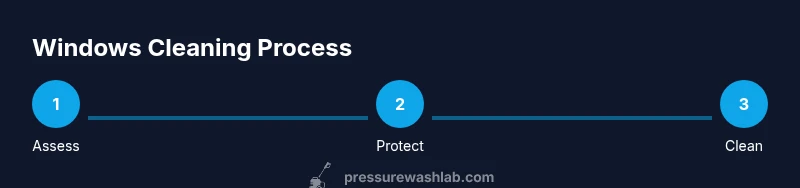
Assess window type and condition
Begin by identifying whether the window is single- or double-pane, and check for cracks, loose seals, or chipped coatings. This determines whether pressure washing is appropriate and what PSI you should use. Plan your approach around the weakest area to reduce risk of further damage.
Tip: Test on a small area first and document any changes in transparency or movement. - 2
Protect surrounding surfaces and remove obstacles
Mask frames and nearby surfaces with painter's tape. Move outdoor furniture, cover plants, and remove screens when possible to prevent water entry. Ensure you have a clear, dry path to the window and sit a sturdy ladder securely.
Tip: Do a quick walkthrough to confirm tape is holding and no items obstruct access. - 3
Attach the nozzle and set the pressure
Attach a wide-angle nozzle (about 15 degrees) and start on the lowest effective setting. If you have adjustable pressures, test on a hidden spot to gauge impact before applying to the visible area.
Tip: Never use 0-degree or high-pressure settings on glass frames. - 4
Test a small area first
Spray a tiny, inconspicuous portion of the window to observe for cracking, clouding, or veining. If there is any negative reaction, stop and switch to a gentler method.
Tip: If there is any moisture intrusion around seals, stop immediately. - 5
Clean with controlled sweeps from top to bottom
Maintain a consistent distance (about 12–18 inches) and use overlapping, horizontal sweeps to cover every section. Do not linger on any one spot.
Tip: Keep your wrist relaxed and move the wand smoothly for even cleaning. - 6
Rinse, dry, and inspect
Rinse away soapy residues with a light pass, then dry with a squeegee or microfiber cloth. Check seals, frames, and edges for any signs of damage or moisture.
Tip: Drying prevents water spots and makes it easier to spot issues. - 7
Reassess and seal if needed
If you notice loosened seals or gaps after washing, consider resealing or consulting a professional. Schedule follow-up maintenance to preserve window integrity.
Tip: Document any damage with photos for reference.
Quick Answers
Can I use a pressure washer on all window types?
Not all windows tolerate pressure washing. Exterior glass is sometimes OK with low pressure, but damaged seals, tempered glass, or wooden frames may require gentler methods or professional help. Always assess the window condition first and follow manufacturer guidelines when available.
Most windows can be cleaned with care, but check the frame and glass type first. If in doubt, use gentler methods or seek professional advice.
Should I remove screens before washing?
Yes. Remove screens when possible to prevent distortion or water intrusion. Clean screens separately if needed and reattach after the glass is dry.
Yes—remove screens to protect them and improve cleaning results.
What is a safe distance and nozzle angle?
Start with a wide-angle nozzle and maintain a distance of about 12-18 inches from the surface. Move in smooth, overlapping sweeps to avoid creating pressure pockets on the glass.
Keep the nozzle at least 12 inches away and use broad sweeps.
Is it safe to spray windows from inside the house?
Spraying from inside is generally not recommended because water can be forced into gaps. If needed, use a low pressure and keep the spray angled outward, but exterior-only cleaning is preferred.
Avoid spraying from inside; spray from outside only if necessary, with caution.
What maintenance is needed after cleaning?
Dry windows thoroughly and inspect seals for any damage. Reseal or schedule professional service if you notice gaps, peeling caulk, or warping.
Dry thoroughly and check seals afterward; reseal if needed.
Can I use soap with the pressure washer for windows?
A mild, non-foaming detergent can be used with caution on some surfaces, but avoid residues that can leave streaks. Rinse well and ensure the product is safe for glass and seals.
If using soap, choose a mild cleaner and rinse completely.
Watch Video
Key Takeaways
- Start with the lowest pressure and test area.
- Protect frames and screens before washing.
- Keep the wand moving and maintain distance.
- Dry and inspect for damage after washing.
- Use the right nozzle and window-appropriate technique.