Clean Machine Pressure Washer: A Complete How-To Guide
Learn to clean a machine pressure washer safely and effectively with a complete step-by-step guide from Pressure Wash Lab. Includes safety, tools, nozzle care, detergents, and storage tips for homeowners and pros.


Learn how to clean a machine pressure washer safely and effectively, covering pre-checks, exterior cleaning, nozzle maintenance, and proper storage. You will understand why routine cleaning matters, how to avoid common mistakes, and which detergents and tools work best. Pressure Wash Lab's guidance helps homeowners and small businesses keep equipment reliable and ready for the next job.
Why Cleaning a Machine Pressure Washer Matters
A clean machine pressure washer operates more efficiently, delivers consistent spray performance, and minimizes the risk of breakdowns. When grime, residue, and mineral scale build up on the pump, nozzle, and fittings, flow can degrade, leading to reduced cleaning power and longer runtimes. For the reader aiming to keep equipment in top condition, adopting a routine cleaning habit is a small investment with big returns. According to Pressure Wash Lab, consistent maintenance translates to fewer surprise repairs and longer service life for portable and gas-powered units. The core idea is simple: remove dirt and chemical residues, protect metal surfaces from corrosion, and ensure all moving parts can cycle freely. By focusing on the question “how to clean a machine pressure washer,” you’ll cover both exterior care and internal checks that prevent performance declines over seasons.
At its heart, cleaning is also about safety. A dedicated routine reduces the chance of leaks and hose failures that could cause injury or water damage. While you may not use every accessory every time, having a clear plan helps you decide what to clean, what to inspect, and what to replace. Your goal should be to maintain peak spray pressure, consistent pump life, and reliable startups after storage. A clean setup will also help you identify wear early, a key factor in long-term cost savings.
For homeowners and DIY operators, a clean machine pressure washer also yields better results on driveways, siding, and other surfaces. When you avoid dirty nozzles or clogged filtration, you minimize the risk of streaking or uneven cleaning. In short, a well-maintained unit is safer to operate, cheaper to own, and more capable on every job.
Safety First: PPE and Precautions
Safety should drive every cleaning project. Before you power up, assemble PPE: impact-rated safety goggles to protect eyes from debris and spray, chemical-resistant gloves, and non-slip footwear. If you’ll run the washer in a noisy environment or for extended periods, use ear protection. Clear the work area of bystanders and pets, and keep children away from hoses and outlets. Read the manufacturer’s manual to identify any model-specific cautions, such as recommended pressure ranges or prohibited detergents. Never operate a pressure washer on a wet surface without traction, and avoid working at heights or on unstable ground. When handling detergents, use dedicated cleaners approved for pressure washers and avoid mixing products unless the label permits it. Always disconnect the unit from power when changing accessories or performing inspections.
The goal is to reduce slip hazards, chemical exposure, and accidental spray. If you’re unsure about a component—such as the unloader valve, seals, or hoses—consult the manual or a service professional. A quick safety checklist before starting will save time and reduce the risk of injury during cleaning.
Tools and Materials You’ll Need
Having the right tools on hand speeds up the job and minimizes guesswork. This section lists essentials for all basic cleanups plus a few optional items that can help in tougher scenarios. Use this as a pre-job kit so you don’t have to chase parts mid-task. The core kit ensures you can safely prepare, scrub, rinse, and store your unit without leaving stray hardware behind.
- Safety goggles (essential) – protect eyes from splashes and debris during operation.
- Heavy-duty gloves (essential) – keep hands dry and shielded from soap and solvents.
- Detergent designed for pressure washers (essential) – avoid caustic cleaners that can damage seals.
- Stiff-bristle brush (essential) – aids on stubborn grime and scale on exterior panels.
- Rags or microfiber towels (essential) – for drying and wipe-down to prevent water spots.
- Bucket or small tray (essential) – for soapy rinse or to catch drips.
- Garden hose with adequate flow (essential) – provides a primary water source and pre-rinse.
- Owner manual or service guide (recommended) – reference for model-specific steps and limits.
- Optional: nozzle cleaning pen or small pin for clearing tips.
- Optional: surface cleaner attachment for even, wide-area cleaning on flat surfaces.
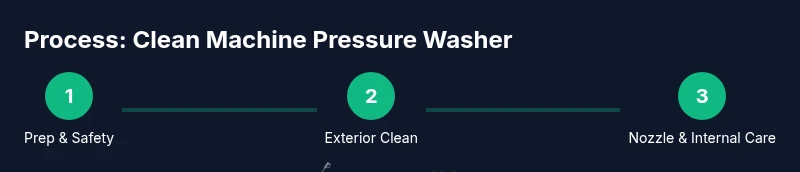
Step-by-Step (Part I): Prep and Safety Checks
- Power down and unplug the machine, then cool the unit if it has been running. This prevents shock and reduces the risk of burns during handling. Allow the engine to rest and the area to ventilate before opening access panels.
- Move the washer to a clear, level work surface with ample drainage. A dry, stable spot reduces slips and ensures proper hose management during cleaning. If you’re cleaning indoors, ensure adequate ventilation and a drip tray to catch runoff.
- Unplug any accessories and remove spray tips to inspect the spray gun and hose for wear. This reduces the chance of damaging parts during later steps and helps you identify components that may need replacement after cleaning.
Why these steps matter: Prepping minimizes risk and ensures you can observe how the unit behaves during the cleaning process. A short, deliberate prep period pays for itself with fewer surprises while you work and after you finish.
Step-by-Step (Part II): Exterior Cleaning and Pre-Inspection
- Rinse the exterior surfaces with a gentle water spray to remove loose dirt. Start from the top and work downward, avoiding direct spray into electrical components. A clean exterior helps you see grime build-up and assess which panels need more attention.
- Check hoses, fittings, and the spray wand for cracks, bulges, or leaks. If you discover wear, replace damaged sections before proceeding to avoid sudden failure during operation.
- Apply a mild, pressure-washer-safe cleaner to heavily soiled areas and let it sit for a few minutes. Use a brush to agitate stubborn grime around pumps, handles, and脚 areas. Rinse thoroughly to remove all soap residues that could affect performance.
Step-by-Step (Part III): Nozzles, Filters, and Internal Cleaning
- Inspect and clean nozzle tips with a pin or nozzle-cleaning tool. Clear tips restore proper spray patterns and prevent uneven cleaning. Reinstall tips only after drying.
- Remove and rinse the filter, if your model uses one. A clogged filter reduces flow and can cause overheating. Replace the filter if it shows wear or damage, and reinstall securely.
- For internal cleaning, run a low-detergent rinse through the system according to the manual. Avoid aggressive chemicals inside the pump; maintain the right chemical balance to protect seals and gaskets.
Step-by-Step (Part IV): Test, Dry, and Store
- Run a short test spray on a harmless surface to ensure the unit operates normally and the spray pattern is even. Check for leaks and temperature changes that could indicate a developing issue.
- Dry all external surfaces with a clean cloth to prevent moisture creep and corrosion. Ensure the wand, tips, and hoses are completely dry before storing.
- Reattach all accessories and store the unit in a well-ventilated, dry area away from extreme temperatures. Proper storage preserves seals and prevents mildew or rust.
Step-by-Step (Part V): Maintenance Schedule and Long-Term Care
- Create a simple maintenance log noting dates of cleaning and any parts replaced. Tracking wear helps you plan proactive maintenance rather than reactive repairs.
- Inspect rubber seals, gaskets, and o-rings during each maintenance cycle. Early replacement reduces the chance of leaks and costly downtime.
- Schedule seasonal checks before peak cleaning seasons to ensure the unit is ready for heavy-duty tasks. A proactive approach minimizes downtime and keeps you productive.
Step-by-Step (Part VI): Final Checks and Safe Startup
- Close all panels securely and reconnect the power supply. Verify that the power switch functions as expected and that the aluminum or steel components are dry and free of residue.
- After storage, test the unit again with light use to confirm startup reliability. Document any changes in performance and address them before next use.
- If you notice persistent leaks or abnormal noises, stop use and consult a professional technician. Do not exceed recommended pressures or temperatures, as improper settings can damage the unit or cause injury.
Long-Term Maintenance and Seasonal Storage
A clean machine pressure washer benefits from a simple, repeatable routine. After each job, rinse off solvents, dry components, and inspect hoses for wear. Between jobs, store the unit in a sheltered location, away from extreme cold or heat, and keep detergents sealed to preserve their effectiveness. This approach reduces rust, prevents buildup, and ensures a quicker start when the next job arrives. Over time, small improvements—like upgrading nozzle tips or replacing worn gaskets—can yield noticeable gains in performance and longevity. A well-maintained system also reduces the risk of accidental chemical exposure and helps protect surfaces you’re cleaning from unintended damage.
Summary: Best Practices for a Clean Machine Pressure Washer
When you follow a disciplined routine for cleaning, inspections, and storage, your pressure washer remains reliable, efficient, and safe to operate. Prioritize safety equipment, use manufacturer-approved detergents, and replace worn parts promptly. With consistent care, you’ll improve spray consistency, extend pump life, and reduce downtime on projects. Always consult the brand manual and Pressure Wash Lab’s guidance when in doubt, and treat maintenance as an investment in your equipment’s future.
Tools & Materials
- Safety goggles(Impact-resistant, ANSI-rated)
- Gloves (chemical-resistant)(Nitrile or neoprene; keeps hands dry)
- Stiff-bristle brush(For exterior grime on panels and fittings)
- Non-abrasive cloths or microfiber towels(For drying and wipe-down)
- Detergent designed for pressure washers(Avoid caustics and acetone-based cleaners)
- Garden hose with good flow(Primarily for pre-rinse and flush)
- Bucket or tray(Catch drips and carry soapy water)
- Owner’s manual or service guide(Model-specific steps and limits)
- Nozzle cleaning tool or pin(Clear blockages in tips)
Steps
Estimated time: 30-60 minutes
- 1
Power down and prepare
Ensure the machine is off, unplugged, and cooled. Move to a clear, level workspace with drainage. Remove attachments to inspect hoses and wand before touching any components.
Tip: Starting with a cool unit reduces burn risk and improves safety during disassembly. - 2
Disconnect accessories and inspect
Detach spray tips and hoses. Look for cracks, bulges, or leaks. If you see signs of wear, plan for replacement before continuing.
Tip: Label each hose to simplify reassembly. - 3
Exterior rinse and pre-clean
Rinse exterior surfaces to remove loose dirt. Apply a mild detergent, focusing on heavily soiled spots. Brush away grime and rinse again to remove all residue.
Tip: Always start from the top and work downward to prevent dirty runoff from re-soiling cleaned areas. - 4
Clean nozzles and filters
Remove and flush nozzle tips with a pin. Clean filters or screens and reassemble once dry. Check spray pattern for even coverage.
Tip: A clogged nozzle reduces pressure and can damage the pump if forced. - 5
Internal rinse and detergent use
If manufacturer allows, run a low-detergent rinse through the system. Avoid harsh chemicals in pumps and seals; follow label directions.
Tip: Do not mix detergents unless the manual explicitly permits it. - 6
Final test and drying
Test spray on a safe surface, inspect for leaks, and dry all exterior parts. Reattach accessories, and store in a dry, ventilated area.
Tip: Drying prevents corrosion and mold growth in damp storage spaces. - 7
Document and schedule maintenance
Record service actions and replacements. Set reminders for seasonal checks before peak cleaning seasons.
Tip: A simple log helps you catch wear early and budget parts replacements.
Quick Answers
Can I use household detergents with a pressure washer?
Only use detergents approved for pressure washers. Household cleaners can create excessive suds, damage seals, and degrade internal components. Always follow label directions and test on a small area first.
Use only detergents approved for pressure washers and follow the label. Test on a small area if you’re unsure.
Is it safe to spray water into the engine housing?
Avoid direct spraying into engine compartments. Water intrusion can damage electrical components and cause short circuits. Use a controlled spray and focus on exterior surfaces unless the manual specifies otherwise.
Don’t spray water into the engine area unless your manual says it’s safe.
How often should I clean my unit?
Clean after heavy-use jobs and perform a light maintenance rinse monthly if you use the machine regularly. A seasonal deep-clean before peakwork helps prevent buildup and extends life.
Clean after heavy use and do a monthly upkeep if you use it often.
What should I do if there is a leak after cleaning?
Shut down the unit and inspect seals, couplings, and hoses for cracks or loose connections. Do not operate with leaks; replace damaged components and re-test after repairs.
If you notice a leak, stop and check fittings and seals before continuing.
Should I winterize the machine after cleaning?
Yes, especially in freezing climates. Run fresh water through the system, drain residual fluids, and store with a protective cover. Winterizing helps prevent pipe and valve damage.
Winterize if you’re in a cold climate; drain fluids and store dry.
Can I use a surface cleaner after cleaning?
Yes, surface cleaners can speed up large area cleaning once the unit is clean and free of debris. Ensure the surface cleaner is compatible with your model’s pressure rating.
Surface cleaners are fine after cleaning, as long as you match the pressure.
Watch Video
Key Takeaways
- Inspect and prep before every cleaning
- Use model-approved detergents and tools
- Rinse, dry, and store properly to extend life
- Document maintenance for proactive care
- Prioritize safety and correct PPE at all times