Elite Pressure Washing: A Comprehensive How-To Guide
Learn elite pressure washing with practical tips, proper equipment, nozzle choices, and safe techniques for home exteriors, driveways, and decks. A comprehensive how-to guide for homeowners and DIY enthusiasts.


In this guide, you will learn how to achieve elite pressure washing results for common home exteriors using the right equipment, nozzle choices, and technique. You’ll prep the area, select the proper pressure and detergents, perform a safe, step-by-step cleaning, and finish with maintenance tips to extend results. Key requirements include an adjustable-psi washer, assorted nozzles, a surface cleaner for large areas, extension wand, and PPE.
Why elite pressure washing matters
Elite pressure washing matters because it restores curb appeal, protects substrates, and extends the life of surfaces like siding, brick, decks, and concrete. According to Pressure Wash Lab Team, elite pressure washing combines the right machine, the correct nozzle, and a deliberate technique to remove dirt, algae, mildew, and stains without causing damage. When done correctly, you reduce repair costs and avoid painting at the wrong time, while enjoying a cleaner home environment. Different surfaces respond to distinct pressure levels and cleaning agents, so the goal is thorough cleaning with minimal risk. By understanding how pressure, distance, and dwell time interact, you can craft a plan that delivers durable results rather than quick, shallow cleaning. This section provides practical steps you can apply this weekend to protect your investment and boost home value.
Understanding pressure, nozzle choices, and surfaces
Pressure washing is not a one-size-fits-all task. Home exteriors, wood decks, brick, stone, and concrete each demand different PSI ranges, flow rates (GPM), and nozzle angles to avoid damage. For most residential tasks, start with a gentle nozzle (25–40 degrees) and moderate PSI, then adjust according to the surface texture and stain severity. A zero-degree nozzle is dangerous for most home surfaces and should be avoided unless you’re experienced and know the substrate can tolerate it. The common nozzle colors correspond to spray angles: green (25°), white (40°), and yellow (15°) are typical for general cleaning, while red (0°) is reserved for stubborn residue on non-sensitive surfaces. Always test on an inconspicuous area first, and never spray directly at windows or outlets. Elite pressure washing relies on controlled, methodical cleaning rather than blasting at high speed.
Safety and environmental considerations
Safety is foundational in elite pressure washing. Wear eye protection, gloves, and non-slip footwear. Keep electrical connections dry and avoid spraying near outlets or lighting fixtures. Water runoff should be managed to prevent damage to plants and landscaping; use a surface cleaner or a controlled pattern to minimize splash and soil erosion. If you’re working near impervious surfaces, be mindful of runoff that may carry detergents or paint chips into storm drains. Use environmentally friendly detergents when possible and follow local regulations for disposal. This approach protects people, pets, and the surrounding ecosystem while delivering reliable results.
Prep work and site protection
Prep work is essential for clean, efficient results. Move or cover outdoor furniture, lawn ornaments, and vehicles as needed. Place tarps to protect shrubs, flowers, and grass from overspray and detergent drips. Remove fragile items from the cleaning path and close doors and windows to prevent moisture intrusion. Inspect the area for loose siding, nails, or gaps that could worsen with water exposure. A well-prepped site makes the cleaning process faster and reduces the risk of damage or stains on nearby surfaces.
Equipment and setup: selecting the right machine
Choosing the right machine is the foundation of successful elite pressure washing. Electric machines are quiet and convenient for small tasks, while gas-powered units offer higher PSI and GPM for larger jobs. Look for an adjustable-PSI model so you can tailor pressure to the surface. A robust hose, a selection of nozzle tips, a surface cleaner for wide flat areas, an extension wand for hard-to-reach spots, and a stable spray gun are essential. If you plan to use detergents, ensure your machine supports cold-water operation and has a detergent nozzle or compatible siphon tube. Keep a spare nozzle and wrenches handy for quick changes during the job.
Detailing and stain removal strategy
Different stains demand different approaches. Algae, mold, and organic growth respond well to a mild detergent combined with a wider spray angle and slightly higher dwell time. For oil or grease stains on driveways, apply a degreaser and use a surface cleaner to prevent streaking. For painted surfaces, avoid aggressive scrubbing or close-contact passes that can remove the paint. Always perform a patch test on an inconspicuous area and photograph before-after results for reference. After cleaning, rinse thoroughly to remove detergent residues that could attract dirt or damage plants.
Cleaning sequences by surface type
A strategic cleaning sequence saves time and minimizes risk. Start at the top of the house with siding to prevent runoff from staining lower sections. Move to roofs, gutters, and fascia with caution to avoid lifting shingles or loosening nails. Next, treat and clean decks and fencing, then sidewalks and driveways. Finally, address any stubborn stains on concrete or pavers with a targeted approach and a more aggressive nozzle setting if safe. Document the order in a simple checklist to stay organized and ensure no area is left untreated.
Test patch and slow ramp-up
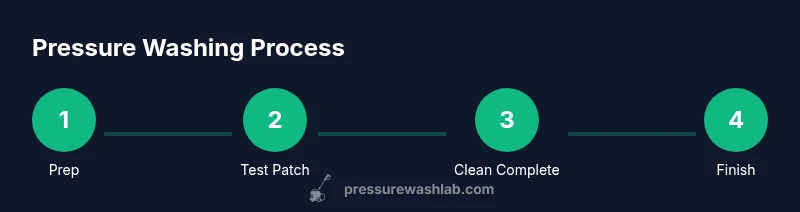
Always begin with a test patch on a hidden area to confirm substrate tolerance and detergent compatibility. If the patch shows no adverse effects after a short dwell time, gradually expand coverage while monitoring results. Ramp up PSI slowly, never exceeding what the surface can tolerate, and maintain a consistent distance from the surface. If you encounter excessive sprayback or surface damage, stop and reassess your technique or switch to a wider nozzle. This measured approach prevents costly mistakes and keeps exterior surfaces looking their best.
Maintenance and aftercare
Post-cleaning maintenance extends results and protects cleanup investments. Rinse surfaces thoroughly to remove detergent residues, and inspect for missed spots or remaining stains. Clean the spray wand, nozzle tips, and surface cleaner after use to prevent clogs. Store equipment in a dry area away from freezing temperatures and ensure hoses and fittings are drained before winter. Regularly inspect hoses for cracks and replace worn parts promptly to avoid failures during future jobs.
Tools & Materials
- Pressure washer (adjustable PSI)(Choose electric or gas; aim for a range suitable for most home tasks (about 1200–3000 psi).)
- Nozzle tips (15°, 25°, 40°)(Keep a variety for different surfaces; avoid 0° on fragile siding.)
- Surface cleaner (optional but recommended)(Speeds up flat surface cleaning and reduces streaks.)
- Extension wand(Helps reach elevated areas safely.)
- Hose and reels(Ensure length and pressure rating meet your washer capacity.)
- Detergents/eco-friendly cleaner(Use only detergents compatible with your washer.)
- Goggles and gloves(Protect eyes from spray and chemical exposure.)
- Tarp or drop cloths(Protect plants and landscaping from overspray.)
- Brush or deck scrubber (for stubborn stains)(Use with caution to avoid fiber damage.)
- Ladder or safe access equipment(Only if you need to reach high spots with stability.)
Steps
Estimated time: 2-3 hours
- 1
Inspect area and set safety boundaries
Walk the exterior surfaces and identify fragile spots, loose trim, or potential hazards. Mark off the cleaning zone with cones or tape to keep bystanders at a safe distance. This initial scan helps prevent surprises during cleaning.
Tip: Note any areas that may require special care or lower pressure. - 2
Choose the right nozzle and PSI
Start with a wide-angle nozzle (25–40 degrees) and a low to moderate PSI to test on an inconspicuous area. If the surface tolerates the test patch, gradually increase pressure in small increments as needed. Avoid jumping to aggressive settings on delicate substrates.
Tip: Always perform a patch test before full coverage. - 3
Protect delicate surfaces and plants
Cover plants, outlets, electronics, and windows with plastic sheeting or tarps. Use masking tape to secure edges and prevent overspray on non-target areas. This step minimizes collateral damage during cleaning.
Tip: Keep a safe distance from all plant materials. - 4
Test patch on a small area
Apply cleaner to a small patch and monitor for color bleed or surface damage. If the patch looks good after a short dwell, proceed with the rest of the area. If not, reassess the PSI and nozzle choice.
Tip: Document results for future reference. - 5
Clean from top to bottom
Begin at the top (e.g., upper siding) and work downward to prevent dirty runoff from staining cleaned areas. Use steady, overlapping strokes and maintain a consistent distance from the surface. Pause between sections to re-evaluate technique.
Tip: Overlap passes slightly to avoid streaks. - 6
Rinse and inspect for missed spots
Rinse each section completely and check for remaining stains or residue. Rinse again if necessary and adjust nozzle or pressure to match surface response. When satisfied, move to the next area.
Tip: Keep hands and feet clear of the spray path. - 7
Shut down, clean, and store equipment
Turn off the machine, relieve pressure, and disconnect hoses. Rinse out detergents and clean nozzles to prevent clogs. Store equipment in a dry, temperature-controlled area to extend lifespan.
Tip: Inspect hoses for wear and replace as needed.
Quick Answers
What PSI is safe for wooden decks without causing damage?
Wood decks typically tolerate lower pressures; start around 500–700 psi with a wide-angle nozzle and a surface cleaner or a scrubbing approach for stubborn grime. Always test on a small area and avoid gouging the wood. If the wood shows fiber lifting or color changes, back off and switch to a gentler method.
For wood decks, start with a low pressure and test a small area; if the wood shows any damage, reduce pressure and switch to softer cleaning methods.
Can I use detergent with a pressure washer?
Yes, detergents can improve cleaning efficiency, especially on siding and decks with heavy grime. Use a detergent compatible with your washer and follow the manufacturer's dilution guidelines. Rinse thoroughly after application to prevent residue and environmental impact.
Yes, detergents help. Just make sure they're compatible with your washer and rinse well after use.
Is it safe to pressure wash brick or stone surfaces?
Brick and stone can tolerate pressure washing if you use a wide-angle nozzle and moderate PSI. Avoid aggressive 0° or 15° sprays that can erode mortar or loosen stones. Always test first and monitor for chipping or crumbling.
Brick and stone can be cleaned with caution; use wide angles and test first to prevent damage.
What should I do if paint starts peeling during washing?
If paint starts peeling, immediately reduce pressure and switch to a milder approach or stop cleaning that area. Prolonged high pressure can lift paint. You may need to repaint or consult a professional for peeling areas.
If paint peels, back off the pressure and reassess; you may need a repaint later.
How should I store my equipment after use?
Rinse and dry all components, drain hoses, and store in a dry, temperature-controlled area. Regularly inspect hoses and fittings for cracks, and replace worn parts to prevent leaks. Proper storage extends the life of your pressure-washing gear.
Rinse, dry, and store in a dry place; inspect hoses regularly.
Watch Video
Key Takeaways
- Assess surfaces to determine suitable PSI and nozzle choice.
- Protect people, pets, and landscaping before cleaning.
- Test on a hidden patch before full operation.
- Follow a top-to-bottom cleaning sequence for best results.
- Maintain equipment after use to extend life.