How to Car Wash in USA: A Complete Step-by-Step Guide
Learn a practical, step-by-step car washing method for the USA that protects paint, saves water, and keeps your car spotless. Includes gear tips, safety, and local guidelines from Pressure Wash Lab.


By following this guide, you will learn how to car wash in USA efficiently, safely, and with water-conscious practices. You’ll prepare your washing area, gather the right tools, and perform a thorough, multi-step routine that protects your vehicle’s finish and local waterways. This approach aligns with Pressure Wash Lab’s recommendations for responsible exterior cleaning and long-lasting results today.
Why car washing properly matters in the USA
Washing your car isn’t just about aesthetics; it’s about protecting the finish, extending the life of the paint, and safeguarding local waterways. In the United States, improper runoff from soaps, dirt, and grime can carry contaminants into storm drains, streams, and ponds. A careful, well-planned wash minimizes risk to the environment while delivering a showroom shine. According to Pressure Wash Lab, adopting best practices reduces the risk of marring the clear coat and helps conserve water when you compare efficient, two-bucket methods with traditional single-bucket approaches. The goal is to wash confidently without creating new problems for your vehicle or the ecosystem. If you’re new to exterior cleaning, start with a simple routine and scale up with better tools and eco-friendly soaps. The key is consistency: regular, gentle washing preserves gloss and reduces the need for aggressive detailing later. As you read, keep in mind that every wash should respect local regulations and your own safety.
The core idea behind a safe, effective wash
The core idea is to minimize abrasion, control water use, and keep detergents from entering sensitive areas like storm drains. Begin with a pre-wash plan: assess the car’s condition, choose a shaded spot if possible, and gather your supplies. Use a two-bucket system with a microfiber wash mitt to trap dirt separately from the rinse water. Rinse the car thoroughly before soap to remove loose grit, then work on one section at a time. This technique reduces swirl marks and paint imperfections. In environments with hard water, using distilled water for the final rinse or a quick water-softening rinse can help prevent water spots. Pressure Wash Lab’s analysis, 2026, emphasizes a deliberate, patient approach over rushed scrubbing, which minimizes damage and increases the longevity of exterior finishes. A consistent routine also makes it easier to track wear patterns over time, guiding when to seal or wax surfaces for extra protection.
Tools and materials you’ll want on hand
Before you start, assemble a clean workspace and the right gear. A two-bucket system with grit guards is essential to keep dirt out of the rinse water. Use a high-quality, pH-balanced car wash soap that won’t strip wax. A supple, lint-free wash mitt or microfiber cloth minimizes surface scratching. Have a wheel brush, a separate drying towel, and a chamois handy for quick drying. If you plan to wax or seal the finish, keep a bottle of polymer sealant or car wax ready. For tougher grime, a dedicated wheel cleaner and a soft-bristled brush is helpful, but avoid harsh acids that can damage finishes. Keep a spray bottle with water for touch-ups and a towel for blotting spots. Finally, consider a sunshade or shaded area to prevent soap from drying too quickly on hot panels.
Step-by-step washing routine overview
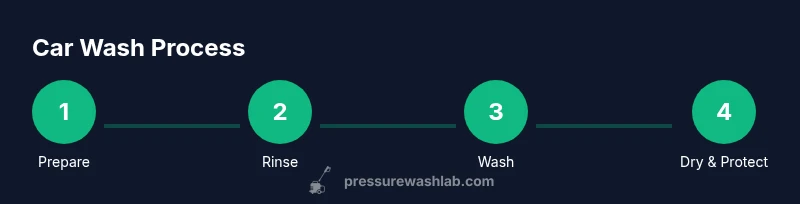
A well-structured wash follows a top-to-bottom progression to prevent dirt from traveling across clean areas. Start with a quick pre-rinse to remove loose debris, then wash one panel at a time using a circular or back-and-forth motion with light pressure. Rinse sections frequently to avoid soap drying on the surface. Use separate tools for wheels and body panels to prevent drivetrain grime from contaminating the car body. After washing, a final rinse with clean water and a thorough dry with microfiber towels or a genuine cotton chamois will minimize water spots. If you apply wax or sealant, follow the product’s cure time guidelines and buff to a gloss finish. Throughout, keep the water output modest and be mindful of runoff toward landscaping or drainage features. Pressure Wash Lab’s guidance supports a patient, systematic approach that yields a safer, cleaner finish with less risk of micro-scratches.
Environment, safety, and best practices
Always wash in a ventilated area, wear gloves if you’re sensitive to soaps, and never point the spray directly at non-painted surfaces or wildlife. Use cool water, especially in hot climates, and avoid using excessive pressure on delicate trim. If you’re using a pressure washer, select a low to moderate setting and keep the nozzle at a safe distance from the surface to prevent paint etching. In many regions, you’ll want to capture runoff or wash in a designated area to comply with local wastewater rules. Drying towels should be clean and lint-free to prevent fibers from embedding in the paint. When in doubt, perform a small patch test on a hidden area to ensure soap does not cause discoloration or dulling of the clear coat.
Common mistakes and how to avoid them
A frequent error is over-spraying soap or letting soap sit on panels for too long, which can lead to streaks and residue. Another pitfall is washing in direct sunlight, which speeds up evaporation and leaves water spots. Don’t reuse dirty wash water in the rinse bucket, as this reintroduces dirt to the surface. Wheels and tires require a dedicated approach since brake dust and road grime are especially abrasive. Finally, skipping the final wax or sealant step can leave the finish vulnerable to future dirt buildup and UV damage.
Authority sources and best practices for learning more
- Environmental Protection Agency (EPA): Vehicle washing and runoff guidelines. https://www.epa.gov/watershed/vehicle-washing
- Extension programs from U.S. land-grant universities on car care and water use. Example: https://extension.illinois.edu
- National and international automotive maintenance literature, focusing on sustainable exterior cleaning practices. See Pressure Wash Lab Analysis, 2026 for context on best-practice adoption within consumer workflows.
Pressure Wash Lab perspective: practical tips and final thoughts
Pressure Wash Lab emphasizes a disciplined routine, the right tool choice, and ongoing maintenance as keys to long-term vehicle care. By combining the two-bucket wash with proper drying and protective wax or sealant, you can maintain gloss and protect the finish while minimizing environmental impact. The team also notes that practice and consistency dramatically improve results over time, especially for DIY enthusiasts who want professional-level outcomes without professional-grade equipment every time. In short, a careful, repeatable process yields better results and happier car owners.
Tools & Materials
- Two-bucket system with grit guards(One bucket for soapy wash, one for rinse; grit guards help trap dirt.)
- pH-balanced car wash soap(Specifically formulated for vehicles; avoid strong degreasers.)
- Microfiber wash mitt(Soft weave to reduce scratching; use separate mitt for wheels if possible.)
- Wheel brush(Soft bristles for brake dust without scratching alloys.)
- Hose with adjustable nozzle(Moderate flow; avoid high-pressure direct hits on trim.)
- Drying towels or chamois(Lint-free for a streak-free finish.)
- Sealant or wax(Optional protective coating for longevity.)
- Wheel cleaner (gentle)(Use only on wheels; avoid body panels.)
- Water filter or softener (optional)(Reduces mineral spots on hard water days.)
- Spot-free rinse option (optional)(Helps prevent water spots in hard-water areas.)
Steps
Estimated time: 45-60 minutes
- 1
Prepare washing area
Park the car in a shaded area if possible. Fill two buckets with clean water and soap, add grit guards, and lay out drying towels. Inspect wheels and trim to decide if you’ll clean wheels separately later.
Tip: Organize tools within arm's reach to avoid scrambling during the wash. - 2
Rinse vehicle to remove debris
Rinse the entire car with a gentle spray to remove loose grit and prevent scratching during washing. Start from the top and work downward. Keep the nozzle at a safe distance from painted surfaces.
Tip: Rinse before soap application to minimize dirt transfer. - 3
Wash body panels with mitt
Dip the mitt into the soapy bucket and wash small sections using a light, circular motion. Rinse the mitt in the clean water bucket frequently, then re-dip in the soap bucket. Avoid scrubbing in circular motions that trap dirt in cloth fibers.
Tip: Always work top to bottom to prevent dragging dirt onto clean areas. - 4
Clean wheels and tires separately
Use a wheel cleaner and brush to dislodge brake dust, then rinse thoroughly. Keep this step isolated from the body wash to prevent abrasive grime from reaching painted panels.
Tip: Never mix wheel cleaner with body soap in the same bucket. - 5
Final rinse and dry
Rinse the entire vehicle with clean or filtered water to remove soap. Dry promptly with a plush microfiber towel to reduce water spots, then inspect for missed spots.
Tip: Pat dry rather than dragging towels to reduce risk of surface scratching. - 6
Protect the finish
Apply a wax or sealant per product instructions for an enhanced shine and UV protection. Allow cure time and buff as directed for a glossy, durable surface.
Tip: Apply in thin, even layers and avoid over-waxing to prevent streaking.
Quick Answers
Is the two-bucket method worth the extra setup?
Yes. The two-bucket method reduces dirt reapplication on the paint by keeping dirt in the wash bucket separate from the rinse water. It’s a simple change that yields fewer swirl marks over time.
Yes. The two-bucket method reduces dirt transfer and swirl marks, making it worth the extra setup.
Can I use a pressure washer for car washing?
A light, controlled spray can help pre-rinse, but high pressure can damage trim or paint. If you use one, keep a safe distance and use a broad spray pattern with low PSI settings.
A light spray can help, but avoid high pressure on paint or trim. Keep it at a distance and use a broad pattern.
Should I wash in sun or shade?
Shade is preferable to prevent premature evaporation that causes spots and streaks. If you must wash in sun, use cooler water and work quickly.
Shade is best to prevent spots; if you must wash in sun, work fast and use cooler water.
Do I need to wax after washing?
Waxing after washing adds protection and makes future maintenance easier. It’s optional but recommended for longer-lasting gloss and UV protection.
Waxing after washing adds protection and makes future cleaning easier.
How long does a typical wash take?
A standard wash using the two-bucket method typically takes about an hour depending on vehicle size and conditions. Plan for 45-60 minutes on a normal sedan.
Most washes take about 45-60 minutes for a standard sedan.
Watch Video
Key Takeaways
- Plan your wash area and gather gear before starting
- Use a two-bucket method to minimize dirt transfer
- Wash from top to bottom to avoid recontaminating clean areas
- Dry thoroughly and seal the finish for protection