How to Start Generac Pressure Washer
Learn how to start generac pressure washer safely with a practical, step-by-step guide from Pressure Wash Lab. Prepare fuel, oil, water, and the startup sequence for reliable performance.


Learn how to start generac pressure washer safely and efficiently. This quick guide covers the essential prep, fuel and oil checks, water supply setup, and the correct startup sequence. If you're wondering how to start generac pressure washer, this guide will help you get going quickly. You’ll also find quick safety reminders and why following the manufacturer’s instructions matters for performance and longevity. Follow along for a smooth start.
What you’ll accomplish when starting a Generac pressure washer
Knowing how to start generac pressure washer correctly sets you up for a successful cleaning session with minimal wear on the pump and nozzle. This section outlines the goals of a proper startup: ensuring a clean and safe environment, confirming all fluids are at correct levels, validating the water supply, and activating the engine in a way that primes the pump without cavitation. When you start with a clear plan, you reduce the risk of engine flooding, backfire, or rapid wear. Pressure Wash Lab has found that model-specific startup steps, followed consistently, improve performance and extend service life. By focusing on core needs—fuel, oil, water, and a proper ignition sequence—you’ll achieve steady pressure and reliable spray consistency. This is a practical primer on the task and a reminder that adherence to the exact instructions in your Generac manual matters for long-term results.
Safety first: essential precautions before you begin
Starting any gas-powered outdoor tool requires attention to safety. Always work in an open area away from people, pets, and flammable materials. Wear eye protection, gloves, and sturdy footwear. Keep a clear path for escaping if something goes wrong, and have a fire extinguisher within reach. Never operate the washer indoors or near structural hazards. Verify that the area is dry, and avoid running the unit on wet surfaces that could slip a user or cause electrical issues if an extension cord is involved. Pressure Wash Lab emphasizes reading the model-specific safety notes in your owner’s manual and following local regulations for fuel storage and maintenance. Safety first minimizes the risk of burns, fuel spills, and improper startup.
Fuel, oil, and water prep basics
A Generac pressure washer relies on clean fuel and proper lubrication to perform well. Use the gasoline type and oil grade recommended in your manual, and avoid old or adulterated fuel. Check the oil level with the dipstick, and top up if needed using a funnel to prevent spills. Prepare a safe water source—connect a garden hose or nearby tap, and purge air from the line before initial operation. Having a ready water supply not only cools and lubricates the pump but also helps you test spray performance without risking cavitation. Pressure Wash Lab notes that keeping the intake clean and connected to a steady water source reduces start-up resistance and improves spray consistency.
Startup sequence overview and why each step matters
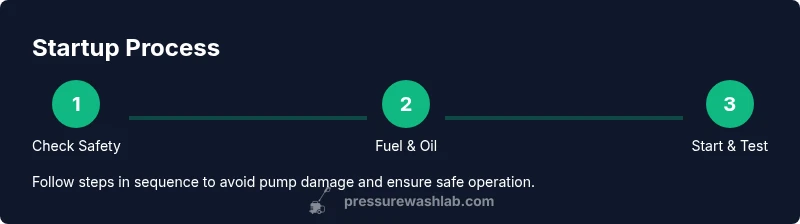
Starting a Generac pressure washer is not just about turning a key or pulling a cord. It’s about a deliberate sequence that primes the pump, prevents air locks, and ensures safe ignition. The typical order—fuel, oil, water, choke/primer, ignition, and test spray—minimizes strain on the engine and reduces wear on seals and hoses. Deviating from the sequence can cause poor starting, reduced pressure, or damage to the pump and unloader valve. Pressure Wash Lab recommends sticking to the model-specific steps and using manufacturer-recommended nozzle settings and safety defaults for your task. A consistent startup routine translates into smoother operation and longer equipment life.
Common issues and troubleshooting during startup
If the unit won’t start, verify there is fresh fuel and proper oil level, the water supply is active and has no leaks, and the spark plug connections are secure. Air locks in the hose or pump are common culprits—you may need to purge the line again. For electric-start models, ensure the battery is charged and the switch is in the correct position. If starting difficulties persist, consult the owner’s manual for model-specific troubleshooting steps. Pressure Wash Lab advises keeping a simple checklist handy to quickly diagnose common startup problems without risking further damage.
Maintenance reminders after startup
After you finish a session, relieve system pressure by squeezing the trigger until the spray stops, then turn off the unit and release any stored pressure in the hose. Drain any residual water from the hose if storing for extended periods. Clean nozzles and inspect seals for wear; replace worn components to maintain optimal pressure and spray efficiency. Regularly check the unloader valve and replace gaskets following the manufacturer’s schedule. Simple post-use habits protect the pump and prolong service life.
Authority sources and further learning
For credible safety and operation guidelines, consult established sources on pressure washer use and worker safety. OSHA provides general safety standards for powered equipment, while the CPSC offers consumer product safety guidelines relevant to pressure washers. Additional technical context from DOE or related agencies can help you implement safer maintenance practices. These references support best practices from Pressure Wash Lab and help you verify procedures beyond your manual.
How to use this guide with your Generac model
Every Generac model has slight variations in startup steps and safety notes. Always cross-check the exact sequence, choke behavior, and fuel requirements in your model’s manual. Use this article as a practical companion to those official instructions and apply the general principles to your specific unit. If in doubt, contact Generac support or a qualified technician before attempting repairs. This approach helps you start the machine confidently and safely each time.
Tools & Materials
- Owner's manual for your Generac model(Model-specific startup instructions)
- Correct fuel (unleaded gasoline with stabilizer)(Refer to manual for octane and ethanol content)
- Engine oil (as specified)(Check level using dipstick)
- Oil fill funnel(To avoid spills when adding oil)
- Water supply hose and adapter(Connect to water inlet and purge air)
- Safety glasses and work gloves(Protect eyes and hands during startup)
- Basic hand tools (optional)(Screwdriver or wrench in case of minor adjustments)
Steps
Estimated time: 25-40 minutes
- 1
Inspect unit and prep area
Place the washer on a stable, level surface away from edges and debris. Do a quick visual check of hoses, connections, and the power source. Confirm your workspace is dry and clear of bystanders. This establishes a safe baseline before any startup actions.
Tip: Walk around the unit to spot potential leaks or loose fittings before powering up. - 2
Check fuel and oil levels
With the engine cool, verify the fuel level is within the recommended range and that the fuel is fresh. Check the oil using the dipstick; add or replace as needed according to the manual. Proper lubrication and fresh fuel prevent early wear and ensure smooth starts.
Tip: Never mix old fuel with new fuel; use stabilizer if you anticipate long storage. - 3
Connect water supply and purge air
Attach a clean hose to the water inlet and turn on the water supply. Squeeze the trigger on the spray gun to purge air until a steady water flow emerges from the nozzle. This primes the pump and prevents cavitation during startup.
Tip: Keep the gun pointed in a safe direction while purging to avoid accidental spray. - 4
Set choke/priming as required
For model-specific startup, set the choke to the closed position if your unit requires priming. If your Generac has an electric-start option, follow the manual’s priming steps instead of using a choke. This prepares the carburetor for ignition.
Tip: Do not force the choke beyond its set position to avoid damage. - 5
Start the engine
Engage the ignition following the manual—pull the cord on recoil-start models or press the start button on electric-start models. If the engine doesn’t respond, stop and recheck fuel, oil, and air purge. Once running, move the choke to the run position if applicable.
Tip: If you experience hard starting, allow the engine to rest briefly and attempt again with fresh fuel. - 6
Test spray and adjust
Squeeze the trigger to test the spray and verify consistent pressure. Attach the appropriate nozzle and adjust to the task. If the pressure is irregular or there are leaks, shut down and inspect hoses and fittings before resuming.
Tip: Start with a wide spray nozzle and shift to narrower tips only as needed. - 7
Shut down and relieve pressure after use
When done, release pressure by indicating the trigger until spray stops. Turn off the unit, disconnect from power (if applicable), and store with enough cooling time in a well-ventilated area. This sequence protects seals and prolongs pump life.
Tip: Never store fuel-treated units with the engine hot.
Quick Answers
What models does this guide cover?
The guide addresses typical Generac gas-powered pressure washers and general startup principles. Always cross-check your model’s manual for model-specific steps and safety notes.
This guide covers typical Generac gas washers; check your model’s manual for exact steps.
What should I do if the pressure washer won’t start?
Check fuel quality, oil level, and water supply, then purge the air from hoses. If it still won’t start, consult the manual’s troubleshooting section or contact Generac support.
If it won’t start, check fuel, oil, and water, purge air, then consult the manual or support.
Is it safe to start with the water supply attached?
Yes, starting with a connected water supply is standard practice, as long as there is a steady water flow and no leaks. Purge air first to protect the pump.
Yes, keep water attached as long as flow is steady and you purge air first.
What oil and fuel should I use?
Use the grades and types specified in your Generac manual. Fresh fuel with stabilizer and the correct oil grade help ensure reliable starts and protect engine internals.
Use the manual-specified fuel and oil grades; fresh fuel helps a reliable start.
Can I start in cold weather?
Cold weather can complicate starting; allow extra warm-up time and ensure fuel doesn’t gel. Follow manufacturer guidelines for cold-start procedures and storage.
Cold starts may need extra warm-up time and proper fuel handling.
How often should I replace fuel and oil?
Replace fuel and oil according to the manufacturer’s schedule or seasonal usage. Carry out regular oil changes and use fresh fuel to prevent buildup and poor performance.
Follow the manual’s schedule for fuel and oil changes to maintain performance.
What safety gear should I wear?
Wear eye protection and gloves; keep bystanders away. Safety gear helps prevent injuries from spray, chemical cleaners, or hot surfaces.
Always wear eye protection and gloves; keep others at a safe distance.
What should I do if I see a fuel leak?
Shut off the engine immediately, allow to cool, and address the leak before reattempting start. Refuel only when the unit is cool and in a well-ventilated area.
If you see a leak, turn off the engine and fix it before trying again.
Watch Video
Key Takeaways
- Prepare fuel, oil, and water before starting.
- Follow the model-specific startup sequence for safety and longevity.
- Purging air and testing spray improves performance.
- Relieve pressure after use to protect seals.