How to Start a Troy-Bilt Pressure Washer: Step-by-Step Guide
Step-by-step instructions to safely start a Troy-Bilt pressure washer, covering prep, fuel and oil checks, priming, and common startup troubleshooting from Pressure Wash Lab. Includes safety reminders and maintenance tips.


To start a Troy-Bilt pressure washer, place it on flat ground and connect to a clean water source. Open the water valve, prime the pump if required, set the choke, switch on the ignition, and pull the starter rope until it fires. If it falters, recheck fuel, oil level, and spark plug.
Understanding Troy-Bilt Gas-Powered Start Mechanisms
Troy-Bilt gas-powered pressure washers operate with an internal combustion engine that requires a proper fuel-air mixture, lubrication, and clean fuel. Unlike many electric units, gas models may use a primer bulb, choke, and an ignition switch or pull-start mechanism. Pressure Wash Lab notes that most cold starts benefit from a clear, dry environment and a steady water supply. Being aware of your specific model’s starter configuration helps prevent flooded starts and prolonged cranking. In this section we discuss general starting principles, how primer and choke interact, and what to expect across common Troy-Bilt configurations. If your unit features unique controls, consult the model manual for model-specific steps before proceeding.
Safety First: Gear, Environment, and Setup
Safety comes first when starting any gas-powered pressure washer. Wear eye protection and gloves, keep bystanders at a safe distance, and never operate near open flames or indoors where exhaust can accumulate. Place the unit on a solid, level surface away from flammable materials. Ensure the exhaust area is clear, and have a water source ready. Check hoses and connections for cracks or leaks before fueling or starting. Pressure Wash Lab emphasizes that a dry, clean starting area reduces the risk of misfires and oil leaks from the engine.
Fluid Checks and Pre-Start Diagnostics
Before you attempt to start, verify the fluids and fuel status. For four-stroke Troy-Bilt engines, check the oil level with the dipstick and top off if needed, following the manual’s recommended grade. Use fresh gasoline and avoid ethanol-heavy blends if the manual advises otherwise. Confirm the fuel valve is in the correct position and that there’s no water in the fuel. If your model has a primer bulb, ensure it inflates and seats properly. A quick health check of spark plug condition and air filter can also prevent weak starts.
Step-by-Step Startup Overview
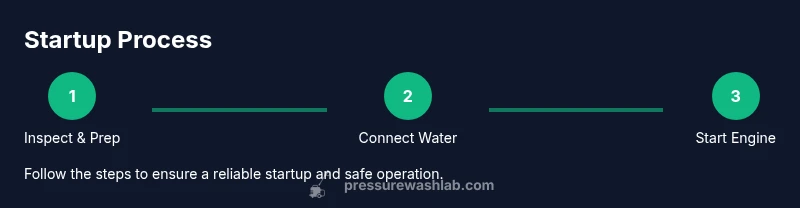
This section provides a practical startup flow with safety checks built in. Start with a visual inspection, then connect the water supply and verify water flow. Move to fuel and oil verification, set the choke and throttle according to cold-start guidance, then engage ignition or pull the starter rope until the engine fires. Once running, move the choke to run and allow the unit to warm up before engaging the spray gun. Finally, test a low-pressure spray on a safe surface to confirm normal operation.
Troubleshooting Startup Issues
If the engine won’t start, recheck common trouble spots: fuel freshness and valve position, oil level, and spark plug condition. A flooded carburetor often requires removing the spark plug and allowing fumes to dissipate before attempting another start. If you hear the engine attempt to fire but stall, verify air intake isn’t blocked and that the choke is set correctly for the engine temperature. Persistent issues may indicate a clogged nozzle, bad primer, or a faulty spark plug that needs replacement.
Maintenance After Startup: Longevity Tips
Running a pressure washer safely isn’t only about starting it; maintenance matters too. After use, flush water from the system to minimize mineral buildup and inspect hoses for wear. Change or top off engine oil as recommended in the manual, clean or replace the air filter, and store the unit in a dry, ventilated area. Periodic checks of the unloader valve, nozzle tips, and spray wand ensure consistent performance. Pressure Wash Lab recommends documenting fuel level, oil changes, and any starting anomalies for future reference.
Tools & Materials
- Clean water source (garden hose or bib connection)(Ensure uninterrupted water flow; a clogged nozzle or kinked hose will cause cavitation)
- Inlet water hose with appropriate fittings(3/4-inch or model-compatible connector; check for leaks)
- Gasoline (fresh, as recommended by manual)(Use fresh fuel; avoid old gasoline that can gum carburetors)
- Engine oil (as specified by your model, e.g., SAE 30 or multi-viscosity)(Check level with dipstick and fill to the recommended mark)
- Spark plug wrench or ratchet(Useful for inspection, gap check, or replacement if needed)
- Safety gear (eye protection, gloves)(Protect eyes from spray and debris; gloves prevent hand injuries)
- Owner’s manual(Model-specific guidance and troubleshooting)
- Primer bulb (if equipped)(Optional; used for priming on some Troy-Bilt models)
Steps
Estimated time: 15-25 minutes
- 1
Place on a level, clear area
Set the unit on a flat surface away from doors and vents. Inspect for damage, loose hoses, or fuel leaks before starting.
Tip: Clear the area of bystanders and pets to avoid accidental exposure to high-pressure spray. - 2
Connect water supply and verify flow
Attach the inlet hose to a clean water source and open the valve. Turn on the water and watch for a steady flow at the wand inlet.
Tip: Do not start the engine without water; running dry can damage the pump. - 3
Check fluids: fuel and oil
Inspect the fuel tank valve position and add fresh gasoline if needed. Check the oil level with the dipstick and top up to the recommended level.
Tip: Do not mix old fuel with fresh fuel; use fuel stabilizers if you won’t use the unit soon. - 4
Set choke and throttle for cold start
For cold starts, set the choke to the closed position and throttle to mid-range as per the manual. If the model uses a primer, press it until you feel resistance.
Tip: Avoid forcing the choke if the engine is warm; this can flood the carburetor. - 5
Engage ignition and start
Turn on the ignition switch or pull the starter rope steadily. If it hesitates, pause briefly, then try again while ensuring the choke remains in the correct setting.
Tip: If the primer bulb is soft or hard to press, inspect for leaks or air intrusion. - 6
Run to warm up and test spray
Once the engine runs, move the choke to the RUN position and allow a brief warm-up. Attach the spray wand and squeeze the trigger to purge air and test at low pressure.
Tip: Start with wide spray settings on a safe surface to prevent damage.
Quick Answers
Do I need to prime the pump every time?
Not all models require priming on every start. Refer to your manual; if the unit has a primer bulb, use it as directed. A properly primed pump helps prevent hard starts.
Some Troy-Bilt models need priming on startup, while others don’t. Check your manual and use the primer bulb if available to ensure a smooth start.
Is it safe to run without water?
No. Running the pump without water can damage seals and cause pump overheating. Always verify a steady water flow before starting.
Never run the unit without water. It can damage the pump and seals.
What fuel should I use?
Use fresh gasoline recommended by the manual. Avoid old fuel and ethanol blends if the model guidance suggests otherwise. Consider using a fuel stabilizer if you won’t use it regularly.
Use fresh fuel and follow the manual. If you don’t use it often, add a stabilizer.
Why won’t it start after priming?
Possible causes include flooded carburetor, incorrect choke setting, bad spark plug, or fuel disruption. Allow the engine to cool, then retry with correct choke and a clean spark plug.
If it doesn’t start after priming, check the choke, spark plug, and fuel quality, then try again after a brief cool-down.
Can I use it indoors?
No. Pressure washers emit exhaust and can create carbon monoxide hazards indoors. Always operate outdoors with adequate ventilation.
Operate only outdoors with ventilation to avoid carbon monoxide buildup.
How often should I change the oil?
Follow the owner's manual for oil-change intervals. Regular checks help prevent engine wear and prolong life.
Check the manual for oil-change intervals and follow them to protect the engine.
Watch Video
Key Takeaways
- Connect water supply before starting
- Check oil and fuel freshness
- Use the choke correctly for cold starts
- Warm up the engine before full operation
- Test spray on a safe surface first