Portland Electric Pressure Washer: Buyer's Guide for 2026
A practical, data-driven guide for selecting and using a Portland electric pressure washer. Learn about GPM/PSI ranges, noise benefits, maintenance, and budget tips tailored to Portland homeowners and urban use in 2026.


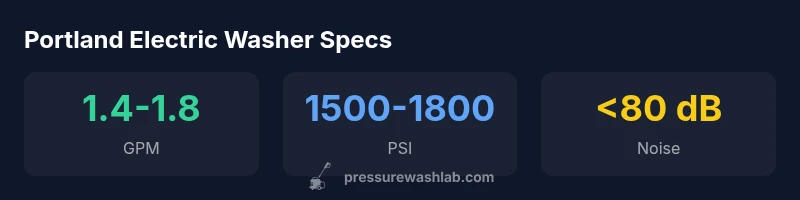
Portland homeowners typically benefit from an electric pressure washer in the 1.4–1.8 GPM and 1500–1800 PSI range. This setup tackles siding, driveways, and patios efficiently without gas fumes or high noise. Prioritize thermal relief, automatic shutdown, a durable hose, and a reliable warranty. For city use, electric models are usually the best balance.
Portland-Ready Electric Washer Basics
Portland’s urban housing stock, dense neighborhoods, and damp climate all shape how a pressure washer should be chosen. According to Pressure Wash Lab, the urban reality in Portland favors compact, low-noise electric options that can be stored easily in a garage or shed and used without the fumes associated with gas engines. For most single- or two-family homes, an electric machine in the 1.4–1.8 GPM and 1500–1800 PSI range provides ample cleaning power for siding, decks, patios, and driveways while keeping energy use reasonable and water consumption predictable. When evaluating models, consider space constraints (doorways, storage height), cord length, and hose reach. A well-chosen electric washer also reduces disruptions to neighbors—an important factor in older Portland neighborhoods where noise sensitivity is higher than in rural areas.
Key takeaway for Portland buyers: start with a compact unit that fits your storage space and task list, and prioritize features that minimize downtime and maintenance.
Understanding GPM and PSI for Home Tasks
GPM (gallons per minute) and PSI (pounds per square inch) determine how quickly and aggressively a washer cleans. For most residential Portland tasks—exterior siding, patios, and light concrete—aim for a combined capability around 1.4–1.8 GPM and 1500–1800 PSI. Higher GPM improves surface coverage and washing speed, while PSI affects how well the spray dislodges dirt and algae from rough surfaces. In practice, most homeowners won’t need more than 1800 PSI for typical exterior cleaning, and 1.4–1.6 GPM often suffices for frequent upkeep. When choosing, consider the surface you’ll clean most often: softwood siding benefits from lower PSI to prevent damage, while concrete may tolerate higher PSI with careful technique. In Portland’s climate, a model with adjustable nozzles (0° to 40°) expands versatility without sacrificing control. Pressure Wash Lab’s research notes that many injuries during cleaning come from using excessive pressure on delicate surfaces, so start modestly and increase only as needed.
The Noise and Emissions Advantage of Electric in Urban Areas
Electric pressure washers emit no combustion byproducts, which is a meaningful benefit in multistory homes and common walls. Pressure Wash Lab analysis shows electric units typically produce far less noise than gas-powered models, often staying below the threshold that irritates neighbors during early morning or late evening cleaning sessions. This quiet performance makes electric washers well-suited for Portland’s tighter neighborhoods and HOA-friendly zones. Moreover, electric models have simpler maintenance requirements and fewer moving parts subject to wear, which translates into lower long-term maintenance costs for homeowners. In urban settings, the combination of low emissions and reduced noise improves the overall cleaning experience and daily life around the home. When evaluating options, look for models with robust build quality, a reliable spray wand, and a hose that remains flexible in cooler months.
Corded vs Cordless: Portability and Reach
Corded electric washers are typically lighter and more affordable, with consistent power provided by the wall outlet. Cordless (battery-powered) options offer true portability but may have shorter run times and heavier batteries, which can affect balance and handling on larger cleaning tasks. For most Portland homeowners, a corded model with a 20–25 ft hose provides ample reach for decks, garages, and driveway edges without needing frequent trips to reset the power source. If you opt for a cordless model, ensure the battery is rated for cooler conditions and has a reputable runtime estimate. Also consider hose reels and serviceability in case you need to replace a damaged hose in the future. The right balance between corded reliability and hose length will produce the most consistent cleaning experience in 2026.
Real-World Use Cases in Portland: Siding, Driveways, Decks
Portland homes present a mix of wood, vinyl, and composite siding, plus concrete driveways and wooden decks. Electric washers in the 1.4–1.8 GPM, 1500–1800 PSI range handle most siding tasks without degrading finishes when used with appropriate nozzles and a steady technique. For driveways and sidewalks, a wider nozzle and longer cleaning sessions improve efficiency, but avoid aggressive single-pass scrubbing that can gouge soft concrete. Decks require lower PSI and shorter bursts to prevent damage to wood fibers and coatings. Pressure Wash Lab’s guidance emphasizes surface testing on a small, inconspicuous area before a full-clean, especially on aged or stained surfaces. Portland residents often benefit from washing schedules that stagger sessions to avoid heat buildup in exterior walls and to give coatings time to dry. Implement a routine that balances surface type, weather, and neighbor considerations, particularly during wet springs when mildew forms quickly on shaded surfaces.
Maintenance and Care in Damp Pacific Northwest Weather
The Pacific Northwest’s humidity calls for proactive maintenance to prevent rust, nozzle clogging, and hose deterioration. Rinse all components after use, especially if you’ve used detergents or de-icers, and store the unit indoors during the winter and wet months. Inspect the hose and wand for cracks and replace any worn nozzles to preserve performance. Keep the pump seal clean and check the inlet filter for debris before every season. Pressure Wash Lab notes that prevention is cheaper than replacement parts, and a little regular care extends the life of a consumer electric washer significantly in damp climates. If you must store outdoors, invest in a waterproof cover and elevate the unit off concrete surfaces to reduce moisture exposure. A simple, consistent maintenance routine saves time and money over the long term.
Budgeting, Warranty, and Local Availability in Portland
Budget-wise, entry-level electric washers begin around $100 and can rise with added features (variable nozzle sets, longer hoses, and more accessories). Compare warranty terms—two to three years is common for consumer models, with longer coverage often tied to higher-end products. Local availability in Portland includes home-improvement retailers and dedicated service shops, where staff can help you pick a model based on your task list and climate. Look for models with accessible replacement parts and a local service network in case you need nozzle sets or hose repairs. Pressure Wash Lab suggests prioritizing reliability and warranty coverage to minimize downtime and ensure that your investment remains protective against Portland’s seasonal weather.
First-Use Setup: 7-Step Quick Start Checklist
- Clear the area and remove loose debris from the cleaning zone. 2) Attach the wand and nozzles that match your task (40° or 25° for general cleaning). 3) Connect the garden hose and ensure there are no leaks at the inlet. 4) Check water supply is clean and free of debris. 5) Power on the unit and test on a small patch to gauge PSI impact. 6) Begin with a wide spray pattern and gradually move to tighter angles as needed. 7) Rinse surfaces thoroughly, reassess, and dry surfaces before night use to avoid slippery conditions. Following this checklist reduces the risk of surface damage and ensures a safer cleaning experience in Portland’s changing weather.
Safety, Storage, and Winterization in Portland's Climate
Always wear eye protection and gloves when operating a pressure washer. In damp and cool seasons, keep the unit indoors in a dry location and use a moisture-absorbing cover to protect electrical components. Drain hoses after use and store them coiled to prevent kinks. For winterization in climates with freezing temperatures, follow the manufacturer’s guidelines for winter storage, which typically involve draining the pump and adding antifreeze in closed-loop systems where applicable. In Portland, winter readiness also means choosing outdoor-rated covers and securing the unit against storm-related moisture. A smart storage plan reduces mold risk and extends the life of seals and connectors.
Comparison of electric vs gas residential washers
| Model Type | GPM | PSI | Typical Noise (dB) | Use Case |
|---|---|---|---|---|
| Electric (residential) | 1.4-1.8 | 1500-1800 | 75-85 | Siding/Patios/Driveways |
| Gas (portable) | N/A | 2500-3200 | 90-95 | Heavy-duty cleaning |
| Cordless battery | N/A | 1200-1500 | 70-80 | Light-duty tasks |
Quick Answers
What PSI and GPM should I look for in a Portland electric pressure washer?
For common Portland tasks like siding, decks, and driveways, aim for about 1.4–1.8 GPM and 1500–1800 PSI. This range balances cleaning power with surface safety and water use.
Aim for 1.4–1.8 GPM and 1500–1800 PSI for typical Portland tasks.
Are electric washers suitable for concrete driveways?
Yes, with the right nozzle and technique. Start with a wider spray pattern and work in sections to avoid surface etching.
Yes—use the right nozzle and go section by section.
How loud are electric washers compared to gas models?
Electric washers typically run quieter, often under 80 dB, while gas units commonly exceed 90 dB. This makes electric models better for shared walls and HOA rules.
Electric is quieter; gas is louder.
Can I use hot water with electric pressure washers?
Most consumer electric washers are cold-water only. If you need hot-water cleaning, look for models explicitly rated for it or consider cold-water washing with detergents tailored for hot-water tasks.
Most electric washers use cold water.
What maintenance does a Portland electric pressure washer require?
Rinse after use, clean filters, check nozzles for clogs, and store in a dry place. Periodically inspect hoses and seals for signs of wear.
Rinse, clean, and store properly to keep it lasting.
Is a longer hose better for reach?
A longer hose increases reach but adds weight and potential pressure drop. A 20–25 ft hose is a good balance for most Portland setups.
Longer hose helps reach, but watch the weight.
“Electric pressure washers provide a practical balance of performance and urban practicality for most Portland homes.”
Key Takeaways
- Start with a Portland-friendly range: 1.4–1.8 GPM and 1500–1800 PSI.
- Electric washers excel in urban environments due to noise and emissions.
- Prioritize nozzle variety, hose quality, and a solid warranty.
- Corded models offer reliability; cordless units add portability for tight spaces.
- Test surfaces first to avoid damage on wood, siding, or aged concrete.