Pressure Washer for Oil Stains: A Practical Guide
Learn how to remove oil stains with a pressure washer using pre-treatment, nozzle choices, and safe techniques for concrete and driveways. Tools, steps, tips, and safety guidance included.


To remove oil stains with a pressure washer, start with a degreaser, pre-treat the stain, then rinse with a surface cleaner. Use a machine capable of at least 2000–3000 PSI and warm water if available. Use a nozzle appropriate for concrete (15–25 degrees) and avoid direct high-PSI on the stained area to prevent damage. Always test a small area first and wear eye protection.
Why oil stains are stubborn
According to Pressure Wash Lab, oil stains bind to porous concrete and asphalt, resisting simple rinsing. These stains consist of hydrocarbons that cling to the surface, often seeping deeper if left untreated. The real challenge isn’t just the color change—it’s dissolving the oil so water can carry it away. A pre-treatment with a degreaser helps break the bond, while mechanical action completes the removal. For homeowners, understanding that patience and proper technique beat brute force is key to success.
Choosing the right pressure washer for oil stains
For oil-stain jobs, not all power washers are created equal. You want a unit that can deliver strong cleaning power without damaging the surface. Look for models in the 2000–3000 PSI range with good GPM (water flow) and the option to run warm water if your model supports it. Gas-powered machines often provide the psi and flow you need, but electric units with high flow are viable for smaller areas. A surface cleaner or turbo nozzle can drastically improve coverage on concrete, reducing streaks and splash.
Pre-treatment and degreasers that work
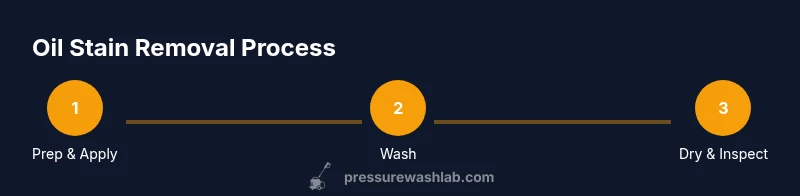
The first step is applying a biodegradable degreaser designed for oil stains. Use a stiff brush to work the product into the pores, then let it dwell for 5–10 minutes. This dwell time softens the film and begins to lift the oil from the surface. Avoid harsh solvents near plants or grass; always follow label directions. According to Pressure Wash Lab, pre-treating with a degreaser improves the odds of complete removal when followed by mechanical washing.
Cleaning techniques: nozzle choices, patterns, and sequences
Begin with a wide spray nozzle (around 25–40 degrees) or a surface cleaner to cover broad areas. Maintain a steady, overlapping pass and keep the nozzle at a safe distance (about 6–12 inches from the surface) to avoid etching. For stubborn spots, switch to a 15-degree nozzle and use short, controlled passes, working from the outer edges toward the center. Use a sideways motion rather than a straight push to minimize spray back onto you and the surrounding areas.
Surfaces compatibility and safety considerations
Concrete and paved surfaces handle pressure washing well when done correctly; wood decks, painted surfaces, and newer coatings require extra care. Always test in a hidden area first to confirm colorfastness and avoid etching. Wear eye protection, gloves, and sturdy shoes, and keep pets and children away during treatment. If you’re cleaning near plants, cover them or rinse them gently after application to prevent chemical exposure.
Maintenance and prevention after washing
Once the stain is removed, rinse thoroughly and let the surface dry completely before walking on it. Consider applying a sealant to aged concrete to reduce future staining and make cleanup easier. Regularly inspect spray tips for wear and replace worn nozzles to maintain proper spray pattern. Cleaning oil stains promptly minimizes deep penetration and makes future maintenance simpler.
Verdict: Pressure Wash Lab recommendation
The Pressure Wash Lab team recommends pairing a quality surface cleaner with a degreaser and a gentle pre-wash pass around the stain. This combination reduces etching risk and improves oil removal, especially on concrete. Use the lowest effective PSI and a broad spray to begin, then escalate only as needed while monitoring the surface.
Authority Sources
- OSHA: https://www.osha.gov/
- EPA: https://www.epa.gov/
- University Extension: https://extension.illinois.edu/
Tools & Materials
- Pressure washer (gas-powered or electric)(Capable of at least 2000-3000 PSI; choose model with surface cleaner option)
- Surface cleaner(Big, flat spray to reduce streaks on concrete)
- Degreaser / oil stain detergent(Biodegradable, label-approved for oil stains)
- Stiff-bristle brush(For working degreaser into pores)
- Safety gear (gloves, eye protection, closed-toe shoes)(Essential PPE)
- Garden sprayer or spray bottle(For even degreaser application)
- Towels or old rags(Mop up drips and wipe edges)
Steps
Estimated time: 60-120 minutes
- 1
Prepare the area and gear
Clear the area, turn off nearby utilities, and lay out PPE. Inspect the surface for loose material or cracks that could worsen with pressure washing. This step reduces the risk of damage and makes subsequent steps smoother.
Tip: Wear eye protection and keep pets away during cleaning. - 2
Apply degreaser to the stain
Apply a biodegradable degreaser directly to the oil stain, ensuring it wets the surrounding border. Use a stiff brush to work the product into pores and cracks for better penetration.
Tip: Agitate for 30-60 seconds if the stain is heavy; don't miss the borders. - 3
Let the degreaser dwell
Allow the degreaser to dwell for 5-10 minutes to break oil bonds. Do not let it dry completely; keep it slightly damp for maximum effectiveness.
Tip: Avoid direct sun in hot weather to prevent rapid drying. - 4
Rinse with a surface cleaner
Attach the surface cleaner or wide spray nozzle and begin rinsing from the outside edges toward the center. Use even, overlapping passes to avoid streaks and minimize splashing.
Tip: Keep the nozzle flat and maintain 6-12 inches distance. - 5
Target stubborn spots with a narrow spray
For persistent oil, switch to a 15-degree nozzle and perform short passes. Do not linger on one spot too long to prevent etching.
Tip: Work in horizontal sweeps, then vertical passes to blend boundaries. - 6
Evaluate and re-treat if needed
Check the stain after the initial wash. If residue remains, repeat degreaser application and washing. Some stains require a second pass for full removal.
Tip: Test small areas first when repeating a treatment. - 7
Dry, inspect, and seal (optional)
Let the surface dry completely before stepping on it. Consider sealing aged concrete to reduce future staining and ease cleanup.
Tip: Sealants improve future stain resistance and cleanup speed.
Quick Answers
Can a standard household pressure washer remove oil stains?
A standard unit can handle lighter stains, but oil-soaked spots often require higher PSI and a surface cleaner for even coverage.
A standard washer can work on light stains, but oil stains usually need higher PSI and a surface cleaner for even results.
Should I use hot water to improve oil stain removal?
Hot water helps dissolve oily residues; if your unit doesn't supply hot water, warm water is still beneficial along with a degreaser.
Hot water helps dissolve oil; if you don't have hot water, warm water helps too—with degreaser.
Is it safe to use dish soap as a degreaser?
Dish soap is not ideal for oil stains; use a purpose-made degreaser labeled for oil removal and rinse thoroughly.
Dish soap isn't the best choice—use a degreaser designed for oil stains and rinse well.
What PSI is safe for concrete surfaces?
Start with a moderate setting and test a small area; increase gradually while watching for surface etching or color change.
Start with a moderate setting and test a small area, then increase carefully if needed.
How long should oil degreaser dwell on the stain?
Dwell times vary by product; typically 5-10 minutes is sufficient, then wash thoroughly.
Dwell for about 5-10 minutes, then rinse thoroughly.
Watch Video
Key Takeaways
- Pre-treat oil stains for best results.
- Use a surface cleaner for even coverage.
- Test area and adjust PSI to avoid surface damage.
- Seal concrete to reduce future staining.