Pressure Washer for Painting: Prep and How-To
Learn how to use a pressure washer for painting prep—from surface cleaning to masking and drying. Safe techniques, nozzle choices, and common mistakes explained for homeowners and DIYers.


Using a pressure washer for painting prep helps remove dirt, loose coating, and contaminants, creating a solid bond for new paint. Start with low to medium pressure and a wide nozzle, test on a hidden area, and mask nearby surfaces. Adjust for surface type, and follow safety guidelines to prevent damage.
Why Prep with a Pressure Washer Elevates Your Paint Job
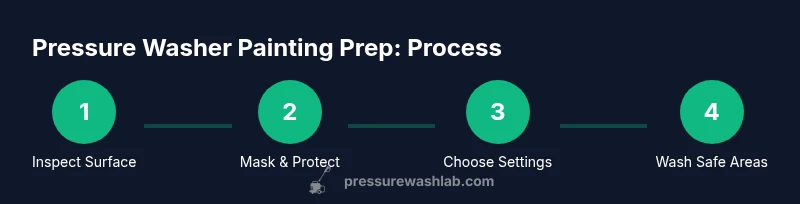
A clean, sound surface is essential for durable paint adhesion. When you use a pressure washer for painting prep, you remove dirt, flaking coating, mold, and other contaminants that can prevent a new layer from bonding properly. The result is fewer peeling spots, a smoother finish, and less primer consumption. The Pressure Wash Lab team recommends starting with a general surface inspection to identify fragile areas, loose paint, and recessed corners that may require repeat passes or a gentler approach. For most exterior walls and trim, a pressure washer will bring the surface back to a uniform baseline, allowing primers and paints to grip consistently. Always test a small, inconspicuous patch to determine how the material responds to pressure, detergent, and nozzle choices. Tools and techniques should be matched to surface type—soft woods like pine demand gentler treatment than hard masonry. In addition to cleaning, the wash helps you spot underlying issues such as cracks, efflorescence, or rot that could undermine a painting project later. With careful planning, pressurized cleaning becomes a dependable first step in any painting plan.
Choosing the Right Pressure Settings and Nozzles for Painting Prep
Selecting the correct pressure washer setup is the foundation of safe, effective painting prep. Start with a wide spray nozzle to distribute energy evenly and minimize concentrated impact on edges, corners, and loose coatings. When working on flat surfaces like siding or plaster, maintain distance and use a sweeping motion to avoid gouging or marking. Avoid aggressive settings near trim, windows, or fixtures where high contact could cause chips or water intrusion. If your surface has delicate coatings or soft wood, reduce pressure further and consider adding a light detergent followed by a rinse. For tougher coatings on brick or masonry, a surface cleaner attachment can help maintain even distance and reduce streaks. Always test your chosen configuration on a hidden area first, then adjust based on the observed response. Your goal is to remove contaminants without eroding the substrate. Documentation of your settings and pass counts can help with consistency across larger projects and future paint jobs.
Surface-Specific Considerations: Wood, Vinyl, Brick, and Stucco
Wood surfaces require caution to avoid denting or splintering, especially on older or painted boards. Vinyl siding can suffer panel distortion if pressure is too aggressive; in such cases, a gentler approach with careful distance and sweeping motions preserves texture while cleaning the surface. Brick and masonry tolerate more aggressive cleaning, but sustained high energy can disturb mortar joints or erode loose material. Stucco is particularly sensitive to pressure; a slower, steadier pass with broad coverage minimizes risk of chipping. A quick surface scan after washing helps identify areas that need another pass or a light hand-brushing to lift stubborn deposits. The right balance of pressure and distance is essential for every material in your painting project.
Cleaning Solutions, Detergents, and Techniques
Detergents can boost cleaning effectiveness, especially on grime, mold, or grease. Use biodegradable detergents designed for exterior painting prep and always rinse thoroughly to avoid residue that could interfere with paint adhesion. Dilution guidelines should follow the detergent label and your washer’s compatibility. For stubborn contaminants, apply detergent to the surface, let it dwell briefly, then rinse with a wide spray from top to bottom. Rinse technique matters: keep the wand moving, avoid lingering in one spot, and finish with a clean rinse to remove loosened coatings. Chemical safety matters—wear gloves and eye protection, and never mix cleaners with incompatible substances. Surface type guides detergent choice, and always spot-test on an inconspicuous area before a full run.
Masking, Protecting, and Setup Before Washing
Mask windows, doors, outlets, lights, and nearby plants or landscaping before you turn on the washer. Use painter’s tape and plastic sheeting to shield delicate features, and lay drop cloths over porous ground to catch runoff. Establish a cleaning perimeter to keep water from puddling near foundations or electrical sources. Set up the washer on stable ground, connect hoses securely, and verify that the detergent line is primed if you plan to use one. A quick test spray on a hidden patch confirms that your nozzle and distance avoid surface damage while removing loose material. Proper masking reduces cleanup time and prevents unintended damage during the wash.
Drying, Inspection, and Final Prep Before Painting
After washing, allow surfaces to dry completely before applying primer or paint. A dry, dust-free surface improves primer adhesion and helps prevent staining from residual moisture. Inspect for remaining contaminants, bare patches, or micro-cracks that may require touch-up cleaning or primer. A final light rinse over high-traffic areas can ensure even uniformity. If you notice infiltrating moisture or washing-induced damage, postpone painting until the issue is addressed. Proper drying time varies with ambient conditions, surface porosity, and sun exposure. Planning for a day with favorable temperatures helps achieve a clean canvas for painting.
Common Mistakes and How to Avoid Them
Rushing cleaning can leave loose material behind, leading to poor paint adhesion. Overly aggressive pressure can damage soft wood, trims, or loose masonry joints. Skipping masking or protective coverings invites water intrusion and staining. Not testing on a hidden area risks unexpected reactions. Always start with conservative settings, test in a non-prominent spot, and build up pressure gradually only where appropriate. By avoiding these missteps, you’ll ensure a smooth transition from prep to prime and paint.
Maintenance and Storage for Future Projects
Rinse out detergents after every job to prevent buildup that could affect future performance. Store the washer and hoses in a dry, elevated space to prevent moisture damage. Inspect hoses for leaks or wear and replace damaged components promptly to maintain reliable pressure on future projects. Periodic cleaning of the nozzle tips and attachments extends their life and ensures consistent spray patterns. Documenting your setup and pass counts helps replicate successful washes on future painting tasks and reduces trial-and-error time.
Tools & Materials
- Pressure washer(Choose a model with adjustable pressure suitable for exterior surfaces.)
- Wide-pattern nozzle(Important for even cleaning and substrate safety.)
- Surface cleaner attachment(Helps maintain even distance on flat surfaces.)
- Biodegradable detergent for exterior use(Use a formula compatible with painted surfaces.)
- Masking tape and painter's plastic/drop cloths(Protect windows, outlets, plants, and ground surfaces.)
- Safety gear (goggles, gloves, hearing protection)(Eye, skin, and ear protection are essential.)
- Ladders or stable platform(Secure footing when reaching high areas.)
- Nozzle tips (wide to narrow)(Keep a variety for different surfaces; test first.)
- Extension wand(Useful for hard-to-reach areas.)
Steps
Estimated time: 60-90 minutes
- 1
Assess surface and mask area
Inspect the surface for loose paint, soft wood, or fragile trim. Mask windows, outlets, and nearby plants with painter’s tape and plastic, then lay drop cloths to protect adjacent surfaces.
Tip: Masking before washing saves cleanup time and prevents water intrusion. - 2
Protect surroundings and set up equipment
Arrange your workspace on stable ground, connect hoses, and verify the detergent line is ready if used. Put on safety gear and ensure bystanders are clear of the area.
Tip: Check for electrical outlets or electrical cords—keep them dry. - 3
Choose nozzle, test on hidden area
Select a wide-pattern nozzle and test spray on a concealed patch to confirm cleaning efficacy without surface damage.
Tip: Start with the lowest effective pressure and increase gradually if needed. - 4
Rinse from top to bottom
Begin washing at the top of the surface, moving in smooth, overlapping sweeps downward to prevent streaks and runoff.
Tip: Keep the wand about a hands-width away from the surface for safety. - 5
Address stubborn spots with brush
For gum, mold, or thick grime, pause on the stubborn area and use a soft brush with light detergent.
Tip: Don’t linger too long in one spot to avoid etching the surface. - 6
Dry and inspect before painting
Allow the surface to dry completely, then inspect for remaining contaminants or damaged spots that require touch-up cleaning or sanding.
Tip: A dry, clean surface ensures primer adheres properly. - 7
Prepare for primer and paint
With a clean, dry surface, apply primer to bare wood or stained areas as needed, then proceed with painting as scheduled.
Tip: Record your tool settings and pass counts for consistent future prep.
Quick Answers
Is a pressure washer safe for all painting projects?
Not all surfaces tolerate high-pressure cleaning. Delicate wood, vinyl, or recently painted finishes may chip or warp. Always test first and adjust pressure and nozzle accordingly.
High pressure can damage delicate surfaces, so test first and adjust.
What nozzle should I use for painting prep?
A wide-pattern nozzle provides even cleaning with reduced risk of damage. Reserve narrow nozzles for stubborn spots only after testing on a hidden area.
Use a wide nozzle and test before using any narrow tips.
Can I remove old paint with a pressure washer?
Yes, in some cases, but if the old coating is flaky or poorly adhered, you may need to avoid aggressive passes and consider manual sanding or scraper work for thin films.
It can help, but be careful with flaking paint to avoid spreading debris.
Do I need to dry surfaces before painting?
Yes. Surfaces must be fully dry to ensure primer adheres well and paint bonds properly.
Make sure it’s completely dry before priming or painting.
What safety gear is required?
Wear safety goggles, gloves, and hearing protection. Keep bystanders away from the cleaning zone.
Protect your eyes, hands, and ears during the wash.
How do I know the surface is ready for painting?
The surface should feel dry to the touch, be free of loose material, and appear clean and uniform. Test by touching a small area.
Make sure it’s dry and clean before priming.
Watch Video
Key Takeaways
- Prep with a pressure washer raises paint adhesion.
- Test setups on hidden areas before full use.
- Masking and protection save cleanup time.
- Drying completely is essential before priming.
- Choose appropriate nozzle and detergent for surface type.