Pressure Washer Tips for Car: Safe and Effective Washing
Comprehensive, actionable pressure washer tips for car washing. Learn nozzle choices, safe pressure ranges, detergent use, step-by-step techniques, and maintenance to protect your vehicle’s finish.


Goal: Learn how to safely wash a car with a pressure washer by selecting the right nozzle, setting appropriate pressure, and using car-safe detergents. This quick answer also covers prep, washing technique, rinsing, and post-cleanup, plus common mistakes to avoid to protect paint, trim, seals, and clear coats while achieving a spotless finish.
Why car washing with a pressure washer requires care
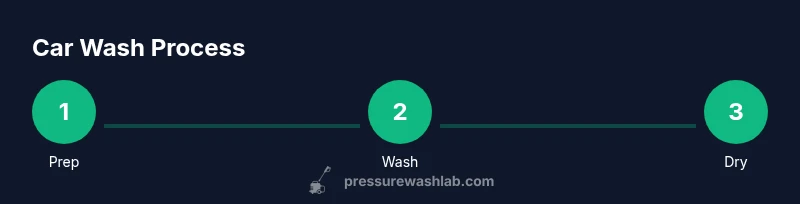
Washing a car with a pressure washer isn't the same as blasting dirt off a driveway. A car’s finish, clear coat, wax layer, and rubber seals are sensitive to high-energy spray. Without proper technique, you can strip wax, etch paint, push water into door jambs, or disturb trim. According to Pressure Wash Lab, the safest approach uses a wide spray pattern, low-to-moderate pressure, and car-specific detergent. Start with a pre-rinse to loosen dirt, work from the top down, and keep the wand moving to avoid concentrating the spray on any one spot. If you test a small panel first, observe whether the spray leaves streaks or causes overspray on seals. The main rule is to avoid concentrated contact on edges, trim, gaskets, and around emblems. Place the vehicle on a level surface, close doors and windows, and keep the nozzle at a safe distance while you move it smoothly across each panel. With these basics, you reduce the risk of marring the paint while still achieving a thorough clean.
Nozzle selection and safe pressure ranges
For automotive washing, choose a wide spray pattern and keep the spray moving. Narrow or direct nozzles can gouge paint or drive water under seals, so avoid them for routine car washing. In practice, many home setups use a nozzle in the wider end of the spectrum (often described as 25–40 degrees). Start with the widest setting, then test on a hidden area before expanding coverage. Maintain a comfortable distance—think at least arm’s length—to ensure the spray dissipates and dries evenly. If dirt is stubborn around wheels or wheel wells, switch to a separate nozzle and work quickly, avoiding prolonged contact on sensitive trim.
Prep and safety steps before you wash
Preparation reduces risk and speeds up the job. Park in shade if possible and turn off the engine if you’re washing a vehicle on the street. Remove personal items from the car interior and roll up windows. Check hoses for kinks and ensure the water supply is stable. If you use a foam cannon or detergent bottle, set it up before you start, and lay down a clean microfiber mitt and a drying towel within arm's reach. Finally, consider masking sensitive trim and emblems with painter’s tape to minimize splash and protect rubber seals.
Detergents and dilution for automotive surfaces
Use a car-specific shampoo or detergent designed for paint and clear coats. Household detergents can strip wax or leave residues. Follow the manufacturer’s dilution instructions and test a small area if you’re unsure. Apply suds evenly with the foam cannon or spray bottle, then let the soap dwell for a minute or two to break down dirt. Rinse any soap out of seams and cracks so it doesn’t dry as a film. If you have a ceramic or waxed coating, avoid strong aggressive cleaners that could degrade the coating.
Washing technique: top to bottom, controlled motion
Begin at the roof and work downward with light, overlapping strokes. Keep the nozzle in constant motion to prevent etching or streaking. Use a two-bucket or rinse-wash approach if possible to keep dirt out of your mitt. Re-wet sections as needed to maintain lubrication and avoid dragging dirt across paint. When you reach the lower panels, rinse behind you to prevent dirty runoff from hitting already-clean areas.
Wheels, tires and undercarriage care
Wheels can be the dirtiest part and often require more aggressive agitation. Use a dedicated wheel brush and a separate nozzle or spray patterns. Avoid spraying directly at the lug nuts or brake components. Angling the wand slightly away from delicate trim reduces splash on body panels. Rinse wheel wells from top to bottom to prevent dirt from running onto cleaned surfaces.
Rinse, dry, and post-wash care
Rinse the entire car thoroughly from top to bottom, ensuring no soap residue remains in seams. Dry with a clean microfiber towel or a chamois, working in sections to prevent water spots. If you plan to wax or seal, apply after drying following product instructions. A quick once-over with a dedicated drying towel can help avoid water spots on glass and trim.
Common mistakes and how to avoid them
Common errors include using high pressure too close, staying on one spot too long, and using household cleaners that aren’t car-safe. Avoid aiming at rubber seals or emblems; these areas can trap water and cause leaks. Don’t spray directly into door gaps or light housings. Always test in a hidden corner and maintain a safe distance.
Equipment maintenance and storage tips
After washing, flush the system with clean water to remove detergent residue and prevent buildup. Clean the nozzle tip and store the hose in a cool, sheltered place away from direct sunlight. Check hoses and fittings for signs of wear and replace as needed. Keeping your pressure washer clean and well-maintained extends its life and preserves safety for future car washes.
Tools & Materials
- Pressure washer with adjustable nozzle(Choose a unit with a safe, broad spray pattern and a detergent inlet)
- Car-specific detergent or foam cannon soap(Dilute as directed; avoid household cleaners)
- Grit guard wash mitt or microfiber wash mitt(Use a clean mitt to minimize paint scratching)
- Two-bucket method or rinse bucket(Helpful to keep dirt out of the wash mitt)
- Wheel brush and tire cleaner(Use a separate brush from body wash to avoid cross-contamination)
- Hose long enough to reach the vehicle(Stable water supply is essential for consistent rinsing)
- Microfiber towels or drying chamois(Pat dry to prevent water spots)
- Masking tape or painter’s tape(Protect sensitive trim if needed)
- Eye protection and gloves(Protect eyes from splashes; gloves improve grip)
Steps
Estimated time: 45-60 minutes
- 1
Inspect and prep the car
Walk around the vehicle to note any areas requiring extra care. Close windows, remove antennas or lightweight accessories, and lay out your washing tools within easy reach. Set up your foam cannon or detergent application so you can start quickly once you’re ready.
Tip: Test a hidden panel with a gentle spray to gauge finish response before full washing. - 2
Rinse with low pressure from top to bottom
Rinse the entire car using a broad spray pattern. Work from roof to hood, then doors and finally the lower panels. Keep the wand moving to avoid high-pressure contact on any single area.
Tip: Use a wide-angle nozzle and avoid concentrating spray on edges or trim. - 3
Apply detergent and let dwell
Apply car-specific detergent evenly across the surface, using a foam cannon or spray bottle. Let the soap dwell for a minute or two to break down dirt, then re-wet as needed to keep lubrication.
Tip: Rinse soap out of seams before it dries into a film. - 4
Wash top to bottom with a mitt
Wipe with light, overlapping strokes. Use a two-bucket approach or keep a clean, damp mitt rolling across areas. Frequently re-wet the mitt to prevent dragging dirt across paint.
Tip: Never scrub aggressively; let detergent do the heavy lifting. - 5
Clean wheels separately
Switch to a wheel-cleaning routine with a dedicated brush and pattern. Avoid spray on brakes or bearings and rinse wheel wells from top to bottom.
Tip: Wheel-specific cleaners reduce residue on paint and avoid contamination. - 6
Rinse thoroughly
Rinse the entire car again from top to bottom, ensuring no soap remains in seams or crevices. Move slowly over stubborn spots and re-wet as needed.
Tip: Keep rinsing until runoff is clean and soap-free. - 7
Dry and inspect
Pat dry with microfiber towels, then inspect for water spots or missed areas. Address any streaks with a quick re-dry, and consider applying wax or sealant after drying if desired.
Tip: Drying while the surface is still cool helps prevent water spotting. - 8
Store and maintain equipment
Flush detergent from the system, clean nozzle tips, and store in a cool, shaded area away from sunlight. Regular checks prevent leaks and prolong equipment life.
Tip: Keep a log of maintenance tasks to extend washer life.
Quick Answers
Can I safely use a pressure washer to wash my car?
Yes, with the right nozzle, distance, and car-friendly detergent. Avoid sustained high-pressure contact on edges or seals and always test a small area first.
Yes—use a wide spray, keep a safe distance, and test a small spot first.
What nozzle is best for car washing?
A wide spray nozzle is preferred for car washing to distribute energy and reduce risk. Avoid pinpoint or very narrow sprays on painted surfaces.
Choose a wide spray nozzle and avoid direct narrow sprays on the car.
Should I use soap, and what kind?
Yes. Use automotive shampoo or detergent designed for paint and clear coats. Avoid household cleaners that can strip wax or damage coatings.
Yes, use car soap and avoid household cleaners.
How far should the nozzle be from the car?
Maintain a safe distance, roughly at arm’s length, and keep the spray moving. Test a small area if you’re unsure.
Keep it at arm’s length and move the spray.
Can I use a pressure washer on ceramic coatings?
Yes, but use low pressure and follow the coating manufacturer’s guidelines. Avoid harsh cleaners that can degrade the coating.
Follow the coating guidelines and use low pressure.
Is it safe to spray around chrome rims?
Yes if you keep distance and avoid spraying directly at bearings or sensitive seals. Use a wheel brush for tough grime and rinse separately.
Be cautious near rims and avoid bearings.
Watch Video
Key Takeaways
- Prepare and test a small area before full wash
- Use wide-angle nozzle and keep distance from surfaces
- Wash top-to-bottom and dry promptly to prevent spots
- Seal and protect finish after drying for long-lasting shine