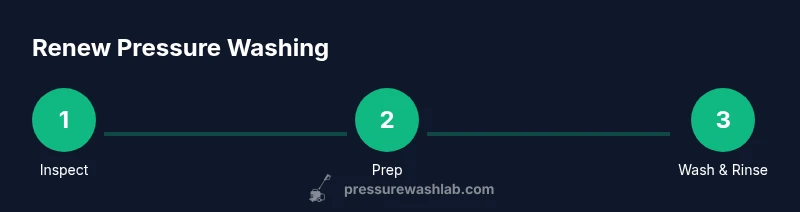
Renew Pressure Washing: Step-by-Step Guide
Learn how to renew pressure washing safely and effectively with a detailed, practical step-by-step guide for homeowners, DIY enthusiasts, and small businesses.


Goal: renew pressure washing to restore outdoor surfaces and boost curb appeal. You’ll need a suitable pressure washer, the right nozzle, detergent, and basic safety gear. This guide covers a 10-step process from prep to post-wash maintenance, with tips to prevent damage and save water. By following these steps, you’ll renew pressure washing efficiently while protecting plants and siding.
Why Renew Pressure Washing Matters
According to Pressure Wash Lab, renewing pressure washing helps homeowners safely restore outdoor surfaces and extend their lifespan. Dirt, algae, and stains degrade wood, concrete, and siding over time, reducing curb appeal and property value. A deliberate renewal plan protects material integrity, reduces the need for costly repairs, and sets the stage for durable cleanliness. This section explains the long-term benefits and why a thoughtful approach matters more than a quick blast of water.
Tools and Materials You'll Need
Before you start, assemble essential gear and supplies to ensure safety and effectiveness. A dependable pressure washer with adjustable settings, a few nozzles (wide-angle for most surfaces, narrow for tough stains), exterior detergent, a brush for stains, and protective PPE are the core kit. Optional items like surface cleaners speed up large-area jobs and reduce streaking. Keep a tarp or plastic sheeting to shield plants and delicate features.
Safety and Environmental Considerations
Pressure washing involves high-velocity water, electricity, and potentially chemical cleaners. Wear PPE: eye protection, gloves, and non-slip footwear. Protect electrical outlets, use GFCI protected cords for electric machines, and avoid directing spray at people, pets, or fragile plants. Manage runoff by redirecting wastewater away from gardens and using detergents labeled as eco-friendly.
Surface Assessment and Cleaning Plan
Assess each surface type to tailor the approach. Wood decks may require gentler passes to avoid splintering, while concrete surfaces tolerate stronger cleaning. Siding with paint or sealant benefits from lower pressure and careful nozzle choice. Create a plan that sequences cleaners, sets expectations for stain removal, and identifies areas that may need spot brushing or pre-treatment.
Detergents, Nozzles, and Temperature: What to Use
Choose detergents formulated for exterior use and compatible with your surface. Eco-friendly options help minimize environmental impact. Start with a wider nozzle angle to cover large areas and reduce pressure, then progressively narrow only on stubborn stains. Use cool water and test alternatives on a hidden patch to prevent damage.
Protecting Surroundings: Plants, Windows, and Pets
Block access to pets, cover nearby plants, and shield windows or AC units from spray drift. Use plastic sheeting or painter’s tape to guard delicate features. After cleaning, rinse off runoff from plants promptly and avoid soap residues on edible vegetation.
Cleaning Techniques by Surface Type
Concrete and sidewalks: high pressure can remove algae and tire marks, but be mindful of joints and sealant. Wood decks and fences: use lower pressure and consider a dedicated wood cleaning solution. Siding: use fan nozzles and a top-to-bottom rhythm to minimize streaks. Always maintain consistent movement and overlap to avoid misses or stripes.
Common Mistakes to Avoid
Rushing, using inappropriate nozzles, or ignoring runoff risks can cause damage and pollution. Over-wetting wood can cause warping, while high pressure on painted surfaces can strip paint. Skipping pre-wet or pre-treat steps yields poor results. Take time to test on inconspicuous areas before full-scale cleaning.
Post-Wash Maintenance and Surface Care
Rinse thoroughly, inspect for missed spots, and allow surfaces to dry completely. Consider applying a surface sealer to concrete or wood after cleaning to extend cleanliness. Regular maintenance, such as annual cleans for driveways and decks, helps renew the cleaned look with less effort over time.
Troubleshooting: Common Issues and Fixes
Streaks: adjust spray pattern, slow your motion, and test new nozzle angles. Texture changes: ensure detergents are fully rinsed and avoid gradient pressure. Mold and mildew: treat with mildew-safe detergents and re-wash areas with gentle pressure. Pump or hose leaks: inspect connections and replace worn parts promptly.
Authority Sources
For safety and best practices, consult authoritative resources: https://www.osha.gov/, https://www.epa.gov/, and https://extension.psu.edu/. These sources provide general guidelines and safety considerations for tools, chemicals, and environmental stewardship.
Next Steps for Renewal Maintenance
Plan for regular renewal maintenance on a seasonal basis. Use gentle cycles for maintenance washes, document results with photos, and schedule future refreshes before stains become permanent. Keeping a simple log of cleaners, nozzle settings, and surface types helps you renew pressure washing efficiently each season and reduces the risk of damage.
Tools & Materials
- Pressure washer (outdoor, gas or electric)(Ensure adjustable PSI and nozzle compatibility; have surface-cleaning attachment if possible)
- Nozzles (25-degree and adjustable fan)(Start with wider angle to cover large areas; avoid 0-degree on fragile surfaces)
- Detergent suitable for exterior cleaning(Eco-friendly preferred; follow label dilution)
- GFCI-protected extension cord (for electric machines)(Keep dry, use grounded outlets)
- Protective PPE (gloves, safety glasses, closed-toe shoes)
- Plastic sheeting or tarp to protect plants(Place downwind to prevent chemical runoff)
- Stiff-bristle brush(For spot brushing after washing)
Steps
Estimated time: 60-120 minutes
- 1
Inspect surfaces and plan
Evaluate material, stain severity, and manufacturer guidelines. Decide start point and order to minimize re-soiling and repeat passes.
Tip: Document problem areas with photos to tailor detergent and nozzle choices. - 2
Protect surroundings
Guard plants, windows, and electrical fixtures. Use tarps and masking where spray drift could cause damage.
Tip: Clear pets from the area; consider a backup plan if wind picks up. - 3
Set up equipment and test patch
Assemble equipment, connect hoses, and perform a test spray on an inconspicuous area before full cleaning.
Tip: Start with lower pressure; adjust gradually. - 4
Apply detergent to stained areas
Apply detergent to tough stains, allowing dwell time per label. Do not let cleaner dry on surfaces.
Tip: Use a soft brush for stubborn spots after dwell time. - 5
Wash with top-to-bottom technique
Begin washing from the top of vertical surfaces and work downward with overlapping passes; avoid skipping sections.
Tip: Maintain a steady pace to prevent lap marks. - 6
Rinse thoroughly with controlled overlap
Rinse using a wider nozzle, maintaining consistent distance and overlap to remove all detergent residues.
Tip: Rinse behind railings and edges to prevent residue. - 7
Address stubborn stains
Re-treat stubborn stains with targeted brushing or slightly higher pressure on safe surfaces, testing first.
Tip: Limit exposure time to prevent surface damage. - 8
Protect edges and joints
Avoid direct hits on joints, sealants, and trim; shield these areas with masking tape if needed.
Tip: Keep spray at a safe distance from seams. - 9
Clean up and inspect
Rinse final look and check for missed spots; note areas for future maintenance and drying time.
Tip: Check airflow and sun exposure for dry times. - 10
Dry and perform post-clean maintenance
Let surfaces dry completely; consider applying sealant or protectant where appropriate to extend cleanliness.
Tip: Sealants often require completely dry surfaces. - 11
Store equipment properly
Drain hoses, store detergents safely, and protect gear from weather to extend life.
Tip: Label chemicals and clean nozzle tips after use. - 12
Review and plan next renewal
Evaluate results, plan follow-up maintenance, and adjust future steps based on surface wear and weather.
Tip: Set a calendar reminder for annual renewal.
Quick Answers
Is it safe to use a pressure washer on wooden surfaces?
Yes, but use a wider nozzle, low pressure, and avoid aggressive scrubbing to prevent splintering.
Yes, but use a wide nozzle and gentle technique to protect wood.
How do I prevent water from damaging landscaping?
Pre-wet plants, shield with tarps, and direct runoff away from the garden. Use eco-friendly detergents.
Protect plants and direct runoff away from garden areas.
What surfaces require maintenance after washing?
Concrete, wood, and siding often benefit from sealing or protective coatings after cleaning.
Seal or protect surfaces after washing to extend the clean look.
Can I renew pressure washing in cold weather?
Cleaning in cold conditions is possible but can slow drying and increase slip risk; plan accordingly.
Cold weather makes it trickier; plan for slower drying.
Watch Video
Key Takeaways
- Plan before you spray; protect surroundings.
- Test patches to avoid damage.
- Move top-to-bottom with overlapping passes.
- Choose eco-friendly detergents when possible.