Is It OK to Wash an Engine Bay with a Pressure Washer? A Practical Guide
Learn whether it's safe to wash the engine bay with a pressure washer, plus protection steps, step-by-step techniques, and pro tips from Pressure Wash Lab to prevent damage and corrosion.


Yes, it is possible to wash the engine bay with a pressure washer, but only with extreme care. Use the lowest practical pressure, keep the nozzle at a wide angle and a safe distance, and avoid spraying directly at electricals, connectors, or exposed belts. Protect electronics with plastic and masking, cover the air intake, and use a mild degreaser. If uncertain, consider spraying from a bottle instead.
Why this question matters
For many car owners, the question is exactly is it ok to wash engine bay with pressure washer. Engine bays hold delicate electronics, sensors, hoses, and belts; a careless spray can push water into seals or trap moisture where it can cause corrosion over time. Pressure Wash Lab emphasizes that the real danger isn't water itself—it's water intrusion into electrical connectors, exposed wiring, and air intake components. Vehicle design, age, and condition all influence risk, so the safest approach is conservative and targeted rather than aggressive blasting. The goal is to remove grime without creating new problems, which is why many shops advise alternative methods for stubborn grime on critical engine components.
Safety-first: risks of water and pressure around an engine
Washing an engine bay with any pressure source introduces risks if proper care isn’t taken. High-pressure jets can force water into electrical connections, sensor housings, and seals, which may lead to short circuits or corrosion. Spray direction matters: direct, narrow streams into gaps, channels, or around intake throats can push water through seals. Benches, hoses, and clamps around the engine can trap moisture and promote rust if left damp. The surrounding plastic covers and heat shields help, but they’re not foolproof; you must be deliberate with distance, angle, and duration. Pressure Wash Lab notes that choosing a method that minimizes spray intensity around critical zones dramatically reduces risk.
When a pressure washer helps: safe scenarios
A pressure washer can be useful for wide, flat surfaces that are already securely covered, such as the outer engine bay panels or firewall areas away from electricals. In gentler configurations, a low-pressure spray from a wide-angle nozzle can dislodge loose grime, especially on the engine’s periphery where grime builds up. In these safer contexts, you should still shield electronic modules, battery terminals, and air intakes, and avoid direct hits on hoses and belts. If your vehicle has delicate wiring or questionable seals, opt for non-pressurized spray bottles or a dedicated engine-cleaning kit to manage residue without forcing water into sensitive regions.
Protective preparation: shielding the engine bay
Preparation is the key to safer outcomes. Begin by disconnecting the battery or at least isolating the negative terminal if accessible, to reduce the chance of short circuits. Use plastic sheeting, masking tape, and heavy-duty garbage bags to cover exposed harnesses, sensors, connectors, and the alternator. Remove or protect any sensitive components, such as the intake boot and throttle body area, with protective covers. Work in a well-ventilated, shaded area and on a cool engine so you can control dry time. Place waterproof mats to catch runoff and avoid spreading water toward the exhaust or belts. This step creates a buffer that makes subsequent cleaning safer and more effective.
Cleaning technique: low-pressure method and spray pattern
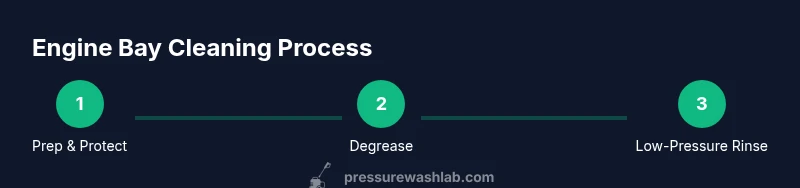
Initiate cleaning with the engine bay cool and the hood propped securely. Apply a mild degreaser to areas with heavy grime, letting it dwell briefly to break down oils. Switch to a wide, fan-shaped spray at the lowest pressure you can manage and sweep from top to bottom, never pausing water directly on connectors. Use a soft brush to loosen stubborn grime, then rinse away solution with deliberate, shallow passes. Work in sections, keeping the nozzle at a safe distance and avoiding spray directly into grommets and plug seals. Drying immediately after washing minimizes rust and electrical issues later.
Cleaning products and tools that work best
Choose engine-safe degreasers that are biodegradable and non-corrosive. A dedicated engine cleaner, a soft-bristled brush set, microfiber towels, and masking supplies are essential. Have plastic sheeting, painter’s tape, and vent covers handy to protect air intakes and electricals. Use a spray bottle for localized application in tight spots. When rinsing, a low-flow, wide-jet nozzle minimizes risk while still delambing grime. Keep a shop vacuum or compressed air for drying hard-to-reach areas, and always clean up runoff away from the vehicle’s electrical connections. Avoid household cleaners that can leave residues or harm rubber hoses.
Drying and aftercare: preventing rust and corrosion
Water left in crevices can cause corrosion and electrical faults over time. After rinsing, wipe down surfaces with dry microfiber towels and use compressed air to blow out moisture from connectors and vent openings. Allow the engine bay to air-dry thoroughly before starting the vehicle; if possible, run the engine with the hood open to promote evaporation but avoid creating heat that could dry too quickly and trap moisture. Inspect for any damp spots or water around the belts, pulleys, or electrical connectors. Re-seal masking covers if you notice any peeling. Proper drying reduces rust risk and extends the life of nearby components.
Common mistakes and troubleshooting
The most frequent errors include spraying too close, focusing water on sensitive electronics, and neglecting to protect air intakes and battery areas. If you observe steam or moisture around sensors after cleaning, re-cover those zones and dry again. Never spray an already hot engine; wait for it to cool to avoid rapid moisture expansion that can warp components. If water intrusion occurs, dry the area completely and monitor electrical performance over the next drive, watching for misfires or warning lights. Remember, when in doubt, perform a local test on a small area before proceeding to broader sections.
Tools & Materials
- Masking tape(Protects wiring harnesses and sensor housings.)
- Plastic sheeting or painter's plastic(Cover air intakes, battery, alternator, and exposed connectors.)
- Degreaser suitable for engines(Choose biodegradable, non-corrosive formula.)
- Soft brushes (3 sizes)(Gently loosen grime without scratching surfaces.)
- Microfiber towels(Drying and blotting for moisture removal.)
- Spray bottle(Apply degreaser precisely to problem areas.)
- Wide-angle low-pressure nozzle or fan jet(Limit spray intensity around critical areas.)
- Battery terminal covers or plastic bags(Extra protection for exposed posts.)
- Shop towels or absorbent mats(Catch runoff and protect the workspace.)
Steps
Estimated time: 45-60 minutes
- 1
Pre-check and protect electricals
Ensure the engine is cool and disconnect the negative battery terminal to minimize the risk of short circuits. Cover connectors, sensors, and the battery with plastic to seal out spray and moisture. Keep air intakes and belts shielded from direct exposure as you plan the wash.
Tip: Double-check that all masking is secure before you start spraying. - 2
Apply protective covers
Cover the air intake, alternator, wiring harnesses, and exposed electronics with plastic sheeting and masking tape. Leave enough overlap to ensure runoff does not seep into protected areas. If your hood has gaps, seal those as well to prevent water intrusion.
Tip: Use multiple thin layers of tape for a stronger seal. - 3
Apply mild degreaser to heavy grime
Spray a light layer of degreaser on grime-prone zones such as valve covers and the front of the engine. Let it dwell for a few minutes to loosen tough oil and dirt, but avoid soaking sensors or the electrical blocks.
Tip: Avoid over-wetting the air intake or exposed connectors. - 4
Rinse with low-pressure, wide spray
Switch to a low-pressure, wide-angle spray and rinse the surfaces from top to bottom in sweeping motions. Keep the nozzle at a safe distance and never spray directly at seals or connectors.
Tip: Move steadily; quick passes reduce the chance of pushing water into crevices. - 5
Brush and scrub stubborn grime
For stubborn spots, use a soft brush to gently lift grime without scratching metal or plastic surfaces. Re-apply degreaser as needed and rinse again with the same controlled technique.
Tip: Never scrub against delicate sensor housings or hoses. - 6
Dry and inspect
Pat surfaces dry with microfiber towels and use compressed air on hard-to-reach areas. Re-check masked zones, remove covers, and inspect for residual moisture, leaks, or moisture around electrical connectors before starting the engine.
Tip: A thorough dry reduces post-wash corrosion risk.
Quick Answers
Is it safe to wash an engine bay with a pressure washer?
Yes, but only with extreme caution: protect electricals, use low pressure, and avoid direct spray on sensors or belts. Consider alternative methods if you’re unsure.
Yes, but with care. Protect the electricals and use low pressure. If unsure, try a spray bottle first.
What pressure should I use around the engine bay?
Use the lowest practical pressure and a wide spray pattern to reduce water intrusion. Avoid concentrated jets aimed at connectors or seals.
Use the lowest practical pressure and a wide spray to protect sensitive parts.
Should I disconnect the battery before washing?
If accessible, disconnect the negative terminal to minimize short-circuit risk. Reconnect after the bay dries completely.
If you can reach the battery, disconnect the negative terminal first, then reconnect after drying.
Can water get into sensors or the alternator?
Water can reach sensors and the alternator if masking is insufficient or spray is too direct. Protect these areas with covers and avoid direct jets.
Water can reach sensors or the alternator if you aren’t careful; cover them well.
What should I do if water gets into a connector?
Dry the area quickly with towels or compressed air and re-seal any covers. If performance issues appear, seek professional inspection.
If water gets into a connector, dry it and inspect for damage; if in doubt, have it checked.
Watch Video
Key Takeaways
- Protect sensitive parts before washing
- Use low-pressure, wide spray to clean safely
- Dry thoroughly to prevent corrosion
- Mask and cover, don’t skip masking steps
- Test on a small area if you’re unsure