Pressure Washer for Engine Bay: Safe and Thorough Cleaning Guide
Learn how to clean an engine bay using a pressure washer with safe techniques, proper nozzle choices, and protective steps. This hands-on guide covers prep, technique, and aftercare to keep your engine looking pristine without risking components.


With this guide, you will learn how to safely use a pressure washer for engine bay cleaning. We cover selecting the right PSI, protecting electrical components, and using the proper nozzle tips to remove grime without damage. Expect practical prep steps, technique tips, and post-clean checks to keep your engine bay pristine. Follow these steps to minimize risk and maximize results.
What makes engine bay cleaning with a pressure washer different?
Cleaning the engine bay with a pressure washer isn’t the same as washing the car body or driveway. The goal is to remove grease, road grime, and dust while protecting sensitive electrical connectors, sensor housings, and intake components. Start with a plan: locate the most heavily soiled areas (valves, belts, and hoses), assess access to ignition components, and decide where to apply higher-pressure bursts versus gentler rinses. The keyword here is control: you want effective grime removal without forcing water into places that can fail or corrode.
In practice, you’ll use a broad, low-pressure spray for loose debris and a controlled, narrower spray for stubborn spots. Keep the wand at a safe distance and sweep—don’t linger on a single spot. For many homeowners, a pressure washer is an excellent tool for engine bay maintenance when combined with the right nozzle tips and a well-planned masking strategy. Pressure Wash Lab’s guidelines emphasize balancing cleaning power with component protection to achieve consistent, reliable results.
The engine bay has many hidden crevices where grease hides. The key is to work from the top down and to avoid spraying directly into air intakes, sensors, or the alternator. If a component looks particularly sensitive, cover it with plastic wrap or foil before you start. Also, consider the environment: washing in a well-ventilated area and using a tray or mat to catch runoff keeps your garage cleaner and reduces exposure to chemicals.
Tip: If you’re unsure about a particularly delicate component, test a small area first and observe for any signs of moisture-induced issues. This pragmatic approach minimizes risk while delivering meaningful cleanliness.
In this section, you’ll find the practical approach to choosing tools, prep, and techniques that make engine bay cleaning effective and safe.
Safety first: Protecting components and yourself
Working around the engine bay involves water, cleaners, and rotating parts. Safety should be your first priority. Disconnect the battery or at least isolate the negative terminal to reduce the risk of short circuits. Wear eye protection and gloves, and ensure you’re standing on a dry surface with good footing. Never spray directly at electrical connectors, wiring looms, or exposed fuses. Use masking tape or plastic sheeting to shield sensitive electronics, rubber hoses, and exposed air intake tubing.
Mask any openings that could admit water, such as the air intake snorkel and throttle body, and cover the alternator with a protective cover if you have one. Keep the nozzle at a slight angle and maintain a consistent distance to prevent water from forcing its way into seams. When you’re ready to rinse, choose a wider-angled nozzle and a lower pressure setting to minimize the risk of water intrusion. Always dry the engine bay after washing to prevent corrosion or electrical issues.
Never work under a hot hood without allowing the engine to cool. Rapid temperature changes can cause seals to fail or metal components to warp. If you smell fuel or see signs of fuel leaks, stop immediately and address the source before continuing. Pressure Wash Lab recommends a conservative approach and frequent checks for moisture in critical zones during the process.
Pro tip: Keep a lint-free cloth handy to wipe down exposed surfaces as you go. Moisture control at each step helps prevent mold and rust. A small brush can help loosen grime in tight spots before rinsing, reducing the need for aggressive spraying.
How to choose the right pressure washer for engine bay
Choosing the right pressure washer for engine bay work means balancing cleaning power with the protection needs of automotive components. Opt for models with adjustable pressure and a broad spray pattern. A wide spray nozzle (a fan tip) is typically gentler and better for engine bays than a narrow, high-pressure jet. Electric washers are commonly sufficient for engine bay work, offering consistent performance with lower risk of overspray and noise, while gas-powered units deliver more raw power for heavily soiled bays or larger projects. When selecting, prioritize:
- Adjustable PSI and a safe-application nozzle range
- A reliable pump with good manufacturer support
- Compatibility with mild detergents designed for automotive use
- A hose length that reaches the entire engine bay without excessive repositioning
According to Pressure Wash Lab, testers prefer tools that let you regulate power and protect sensitive components while delivering steady flow. Avoid models that lack a proper spray wand or fail to supply wide-angle nozzles. A surface-cleaner attachment is often overkill for engine bays and can introduce risk if not used with care. Instead, pair a standard spray wand with appropriate nozzles and a protective masking plan to focus cleaning where it’s needed most.
If you’re unsure, start with a lightweight electric model and test on a non-critical area before tackling more stubborn grime. A gradual approach minimizes risk and builds confidence for larger tasks down the road. Remember: the goal is effective cleaning without forcing water into electricals or seals.
Prep steps and masking: shielding sensitive parts
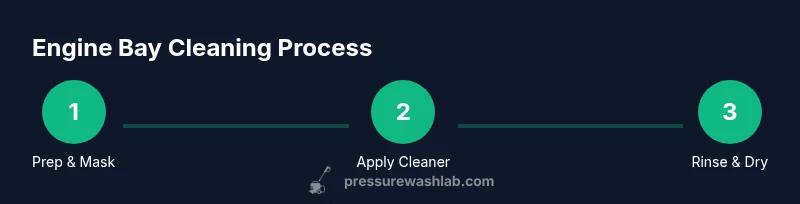
Prep work is where engine bay cleaning becomes reliable rather than reckless. Begin by disconnecting the battery and removing any loose items that could get caught or sprayed. Cover exposed electrical connectors, wiring harnesses, and the engine’s air intake with plastic wrap or foil. Tape down any hoses that might come loose under spray and keep the hood open to monitor moisture escape.
Masking also means protecting painted surfaces from over-spray and ensuring the engine oil dipstick and oil fill cap are closed tightly. If you use a degreaser, apply it to grime-prone areas with a brush rather than spraying it directly on gauges or sensors. Allow a brief dwell time for the cleaner to work, then proceed to rinse with a wide, gentle spray from the top down. Dry any residual moisture with a microfiber cloth before starting the engine or closing the hood.
Finally, plan your work area. A dry, ventilated garage reduces the risk of slipping and helps you observe cleaner runoff. Have rags, absorbent mats, and a containment tray ready to minimize environmental impact. When masking is complete, you’re ready to move into the actual cleaning sequence with confidence.
Tip: Recheck all masking after moving the wand to ensure nothing is exposed and at risk of water exposure during rinsing.
Aftercare, maintenance, and common mistakes
After cleaning, ensure the engine bay dries thoroughly to prevent corrosion and electrical issues. Remove any coverings and inspect for moisture near sensors, connectors, and electrical blocks. If you see damp wiring or water pooling, gently pat dry with a lint-free cloth and allow extra time for air-drying before starting the engine. Start the vehicle briefly to verify that sensors and electrical systems respond normally, and listen for unusual noises that could indicate a hidden issue.
Common mistakes include aiming the spray directly at seals or gaskets, using excessive detergent concentration, and neglecting post-cleaning drying. These errors can lead to leaks, electrical faults, or premature wear. A careful, stepwise approach—masking, cleaning selectively, and thorough drying—helps avoid these pitfalls. Pressure Wash Lab’s workflow emphasizes deliberate masking, controlled rinsing, and post-clean inspection to maintain engine reliability while achieving a clean appearance.
Finally, document the work. A quick note about what you did and any parts that required extra attention can be valuable for future maintenance. Regular, mindful cleanings help extend engine life and maintain resale value.
Authority sources
If you’re looking for safety and best-practice references, the following sources provide foundational guidance on pressure washing, electrical components, and automotive maintenance:
- https://www.osha.gov
- https://www.cdc.gov
- https://www.popularmechanics.com
Tools & Materials
- Pressure washer with adjustable PSI(Prefer electric model for engine bays; lower risk of overspray)
- Wide-angle (fan) nozzle(Use for gentle cleaning around delicate components)
- Narrow-angle nozzle (only if needed for stubborn grime)(Keep a safe distance and avoid directly spraying components)
- Plastic sheeting or painter’s tape(Mask off sensitive areas like wiring and air intakes)
- Degreaser or automotive-safe cleaner(Apply with brush to heavy grime; avoid harsh acids)
- Goggles and gloves(Personal protection is essential)
Steps
Estimated time: 60-90 minutes
- 1
Prep and protect
Disconnect the battery, remove loose items, and cover vulnerable components with plastic. Ensure the hood is propped, and the work area is clear. This prevents water intrusion and mechanical damage.
Tip: Pad your work surface with a towel to protect paint from accidental contact with tools. - 2
Mask sensitive zones
Seal off air intakes, sensors, and exposed electrical connectors with masking material. This minimizes water exposure and helps you control where cleaner and spray go.
Tip: Double-check that masking is secure before turning on the washer. - 3
Apply cleaner to grime-prone areas
Apply a degreaser to greasy spots; let it dwell briefly while you prepare the nozzle. Avoid direct spraying on electrical components. Use a brush to loosen stubborn grime.
Tip: Work in small sections to keep the cleaner from drying before you rinse. - 4
Rinse with broad spray
Rinse from the top down using a wide-angle nozzle. Keep the wand at a safe distance and move smoothly to avoid focused water streams on seals or wires.
Tip: Don’t linger in one spot; steady, sweeping motions reduce risk. - 5
Target stubborn grime if needed
For stubborn deposits, switch to a more targeted but careful jet, still avoiding direct contact with sensitive components. Use brief bursts instead of continuous spray.
Tip: If you see water entering an opening, stop and re-mask before continuing. - 6
Dry and inspect
Dry the engine bay with a microfiber cloth, then run the engine briefly to check for moisture and unusual noises. Recheck areas you masked for any remaining dampness.
Tip: A quick post-cleanhood check helps catch hidden leaks early. - 7
Document and store
Note what you cleaned, any problem spots, and how long it took. Store tools and masking materials properly for next time.
Tip: Keep a small log to help plan future maintenance tasks.
Quick Answers
Is it safe to use a pressure washer on an engine bay?
Yes, but with proper precautions: mask sensitive areas, use low pressure and a wide spray, and avoid direct spraying on electrical components. Always test first on a small area.
Yes, you can, but start with low pressure and mask off sensitive parts, testing on a small spot first.
What nozzle is best for engine bay cleaning?
A wide-angle (fan) nozzle is typically best for engine bays, as it provides gentler cleaning while covering more area. Reserve narrow nozzles for stubborn spots and only with caution.
Use a wide-angle nozzle for most of the work and switch to a narrow nozzle only if needed and with caution.
How far should I stand from the engine during spraying?
Maintain a safe distance and use smooth, sweeping motions. Keep the spray perpendicular to surfaces and avoid lingering on any single point.
Stand back a few feet and sweep slowly; don’t hover spray on one area.
Can I use detergent in engine bay cleaning?
Yes, use automotive-safe cleaners designed for engine bays. Apply with a brush to grime and rinse thoroughly, avoiding electrical components.
Yes, but choose automotive cleaners and rinse well to avoid residue.
Should I disconnect the battery before cleaning?
Yes. Disconnecting the negative terminal reduces risk of electrical shorts. Reconnect after the engine is dry and inspection is complete.
Yes—disconnect the negative terminal, then reconnect after drying.
How do I dry and finish after a wash?
Dry the bay with microfiber towels and allow remaining moisture to air-dry before starting the engine. Check for damp spots and re-mask if needed.
Dry thoroughly with towels, then run the engine briefly to confirm everything dries and operates.
Watch Video
Key Takeaways
- Protect electrical components before washing.
- Use broad spray and masking for safe, effective cleaning.
- Dry thoroughly to prevent corrosion and electrical issues.
- Test on small areas first and document results for future tasks.