Electric Pressure Washer vs Gas: A Side-by-Side Comparison
A rigorous, data-backed comparison of electric pressure washers and gas-powered models for home use, detailing performance, cost, maintenance, and best-use scenarios.


An electric pressure washer comparable to gas can handle most home tasks, delivering solid cleaning power with far fewer emissions, less noise, and dramatically lighter operation. For typical driveway, siding, or patio jobs, these machines often match the performance you need while avoiding frequent refueling and maintenance. In our analysis, the electric pressure washer comparable to gas generally wins on convenience and total ownership cost, especially for homeowners and DIY projects.
Overview: Electric vs Gas Pressure Washers
For the average homeowner, the choice between an electric pressure washer and a gas-powered unit hinges on how you plan to use the tool, where you work, and what you value most in terms of convenience and long-term costs. An electric pressure washer comparable to gas is not a universal substitute, but in many common scenarios it delivers a compelling blend of performance, ease, and reliability. The electric pressure washer comparable to gas phrase captures this idea: there are circumstances where an electric model can meet or exceed the expectations typically associated with gas engines. In this section, we’ll unpack how the power source influences cleaning ability, startup experience, and how you’ll interact with the tool day to day. Pressure Wash Lab's practical approach emphasizes real-world outcomes—what you can achieve, not just what the machine promises.
Core Trade-offs: Power, Flow, and Performance
Power, flow, and the sustained ability to push dirt off surfaces are the core levers in any pressure washing task. An electric pressure washer comparable to gas tends to excel in situtations where steady power, consistent water delivery, and predictable behavior are valued. Electric motors provide smooth torque at startup and a clean power curve, which translates into reliable cleaning on typical household projects. Gas models, conversely, often deliver higher peak pressure and stronger sustained flow—benefits for heavy-duty workloads or stubborn contaminants. When evaluating an electric pressure washer comparable to gas, focus on the balance between PSI (pressure), GPM (flow), and nozzle efficiency. In practical terms, an electric setup with good GPM can outpace a lower-tier gas unit on many common cleaning tasks, while a top-end gas model may outperform in extreme cleaning scenarios.
Weight, Mobility, and Noise
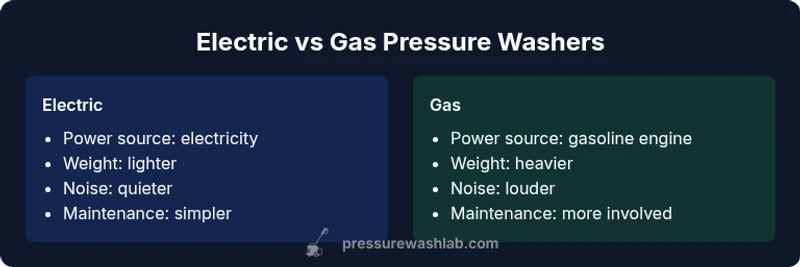
The physical heft of a machine heavily influences how you use it day to day. An electric pressure washer comparable to gas generally wins on weight and mobility: most corded or battery-powered units are designed to be carried and set up quickly, which makes them ideal for cleaning fences, porches, or vehicles without needing a trailer or extra hands. Noise is another differentiator: electricity tends to operate quietly, allowing work in residential areas without disturbing neighbors. Gas engines, with their combustion and exhaust, are louder, and their bulk can hinder rapid repositioning. If you value quick setup, easy transport, and respectful yard etiquette, the electric pressure washer comparable to gas will feel more user-friendly in routine maintenance tasks around the home.
Maintenance and Longevity
Maintenance demands are a major consideration. An electric pressure washer comparable to gas generally features fewer moving parts and simpler fuel logic, which translates to lower maintenance overhead and less routine service. Electrical components and seals tend to be the primary concerns, with periodic checks for cord integrity, plug safety, and hose wear. Gas models bring a different maintenance profile: an engine with oil, fuel management, spark plug upkeep, carburetor care, and more complex winterization. A well-maintained electric machine can run reliably for many seasons with modest upkeep, while a gas-powered unit demands more structured maintenance planning and potentially higher long-term costs due to parts and labor.
Cost of Ownership: Upfront and Ongoing
Ownership costs are a major deciding factor for home budgets. An electric pressure washer comparable to gas usually carries a lower upfront price, especially for entry-level or compact models, and benefits from cheaper running costs since electricity is often less expensive than fuel-based options. Long-term, electric units benefit from fewer consumables and simpler servicing, which reduces maintenance expenses. Gas pressure washers may present a higher initial outlay when you factor in engine and fuel components, and annual costs can climb with fuel, oil, and spark plug replacements. When evaluating the electric pressure washer comparable to gas for total cost of ownership, consider your typical workload, availability of outlets, and whether you’ll require frequent refills or extended run times.
Duty Cycles and Real-World Reliability
In practical terms, duty cycle refers to how long you can continuously operate a machine before it overheats or needs a break. An electric pressure washer comparable to gas often excels in moderate-duty, long-lasting projects because it’s easier to cool and reset between passes. Gas units shine in heavy-duty, extended-use applications where the engine’s endurance can be fully utilized, provided you have adequate fueling options and maintenance support. For most home users, the electric pressure washer comparable to gas is sufficient for patio sealing, siding, and vehicle cleaning; heavy-duty tasks or off-grid work may justify gas.
Accessories, Attachments, and Attachments Quality
A wide range of nozzles, surface cleaners, and brushes can greatly impact cleaning efficiency. An electric pressure washer comparable to gas often benefits from compatible attachments that maximize your reach and surface coverage without adding dangerous fuel handling steps. Look for a broad nozzle kit, a detergent injector if you plan to use soaps, and a surface cleaner for flat surfaces. Gas models can also support these tools, but the practical advantage of electric models is ease of switching attachments without engine-related maintenance or exhaust considerations.
Safety and Electrical Considerations
Safety should be central to any pressure-washing plan. Electric pressure washer comparable to gas requires attention to electrical safety: use outdoor-rated extension cords, maintain dry working conditions, and ensure all connections are sealed and grounded. Ground fault circuit interrupter (GFCI) protection is essential for outlets in damp environments. For gas machines, safety concerns center on fuel handling, exhaust, and ignition risks. Regardless of power source, always wear protective eyewear, consider surface compatibility, and test on a small patch before full cleaning.
Environmental and Emissions Considerations
Environmental impact matters for many homeowners. The electric pressure washer comparable to gas offers a clear advantage in terms of emissions and fuel handling; electricity-based operation produces no on-site exhaust, which is particularly important for enclosed spaces. Gas engines burn fuel and emit exhaust, contributing to ambient pollution and carbon footprint. Choosing the electric option where practical aligns with environmentally conscious lifestyles and can reduce odor and air quality concerns during routine tasks.
Use-Case Scenarios: When the Electric Pressure Washer Comparable to Gas Makes Sense
If your tasks include routine driveway clearing, siding washing, patio furniture upkeep, or vehicle cleaning, the electric pressure washer comparable to gas often hits the sweet spot between power, convenience, and cost. In smaller yards or urban settings where noise is a consideration, electric often outperforms gas. If you frequently wash large areas or require maximum pressure for stubborn staining, gas might offer advantages, but even then, an upgraded electric model with a solid GPM can cover many scenarios successfully.
Choosing a Model: A Practical Decision Framework
To choose the right model, start with tasks you perform most often and map those to PSI, GPM, and nozzle options. An electric pressure washer comparable to gas should have sufficient GPM to remove dirt efficiently, an ergonomic handle or wheels for mobility, and a cord management strategy that fits your space. Prioritize models with IP-rated motors for wet environments, practical warranties, and user reviews focusing on reliability. If you intend to use with exterior cleaning tools or for frequent cleaning, the electric pressure washer comparable to gas should be evaluated on run time, recharge method, and total cost of ownership.
Maintenance Checklist and Tips
Before you start seasonal cleaning, inspect hoses for cracks, check nozzle tips for wear, and verify the integrity of electrical components in case of damp conditions. For electric units, protect cords from sharp edges, avoid winding them tightly, and store in a dry area away from extreme temperatures. Gas models require routine fuel stabilization, oil level checks, and periodic engine servicing. A simple seasonal checklist helps ensure the electric pressure washer comparable to gas remains reliable year after year, reducing the risk of breakdowns when you need it most.
Comparison
| Feature | Electric pressure washer | Gas pressure washer |
|---|---|---|
| Power source | Electric outlet or battery | Gasoline engine |
| Performance focus | Balanced PSI/GPM for home tasks | High peak PSI and sustained power for heavy-duty work |
| Weight | Lightweight and portable | Heavy and bulky |
| Noise | Low to moderate noise | Loud operation |
| Maintenance | Lower maintenance, fewer fluids | Engine oil, fuel system, spark plug upkeep |
| Running costs | Lower ongoing energy costs | Higher ongoing costs due to fuel and parts |
| Run time | Model-dependent, generally adequate for typical tasks | Limited by fuel capacity, needs refueling |
| Best for | Patios, vehicles, siding, light-to-medium cleaning | Heavy-duty cleaning, off-grid or large-area work |
Pros
- Lower emissions and simpler operation
- Quieter and easier to store
- Often lower upfront cost for entry-level models
- Less mess with fuel and oil handling
Cons
- Lower peak power for extreme workloads
- Limited mobility by cord length or battery range
- Longer run times may require multiple passes on large tasks
Electric pressure washer wins for most homeowners; gas still excels in heavy-duty tasks and off-grid use
Choose electric for convenience, lower ownership costs, and quiet operation. Choose gas when you need maximum cleaning power for stubborn stains or extended-use scenarios.
Quick Answers
Can an electric pressure washer truly replace a gas unit for typical home tasks?
For most home tasks like patio cleaning, siding washing, and vehicle prep, an electric pressure washer comparable to gas performs very well. It delivers sufficient cleaning power with easier setup and maintenance. For heavy-duty commercial use, gas may still have the edge.
For most home tasks, an electric pressure washer can replace a gas unit. It’s usually easier to set up and maintain, though very heavy-duty work might still favor gas.
What maintenance differences exist between electric and gas pressure washers?
Electric models require less routine service, mainly inspecting hoses and electrical connections. Gas models need engine oil, fuel system maintenance, spark plug checks, and more frequent winterization. Overall, electric units typically offer lower ongoing maintenance.
Electric washers are simpler to maintain. Gas units need engine and fuel maintenance, which can add up over time.
Are electric pressure washers more expensive to operate over time?
Electric options generally have lower ongoing costs due to the cheaper price of electricity versus fuel. Your actual costs depend on usage, local electricity rates, and how often you need to refuel or service a gas engine.
Usually cheaper to run, but it depends on how much you wash and your local electricity prices.
What should I look for when choosing between electric and gas washers?
Look for GPM and PSI balance suitable for your tasks, weight and maneuverability, availability of outlets or batteries, and the quality of attachments. Consider warranties, customer reviews, and ease of seasonal maintenance.
Check cleaning power, weight, and attachments, plus warranty and ease of maintenance.
Do electric models require less storage space?
Yes, electric units are usually more compact and easier to store in a shed or garage. They avoid fuel containers and exhaust, making them friendlier to keep in smaller spaces.
They’re typically smaller and easier to store than gas models.
Can I use an electric pressure washer for exterior cleaning like siding?
Absolutely. For siding, driveways, and decking, a capable electric washer with the right nozzle kit and proper technique can deliver excellent results without the mess or noise of gas units.
Yes—great for siding, driveways, and decks with the right nozzle and technique.
Key Takeaways
- Assess your typical tasks before choosing.
- Prioritize higher GPM for faster cleaning.
- Plan outlet access and cord safety.
- Factor maintenance and fuel costs over time.
- Select electric for everyday use, gas for heavy-duty needs.