Pressure Washer vs Power Washer: Which Is Best for Your Cleaning Needs?
A comprehensive, objective comparison of pressure washer vs power washer for DIY tasks, pricing, safety, and maintenance. Learn which tool fits patios, driveways, siding, and engines with practical buying tips and runtimes.


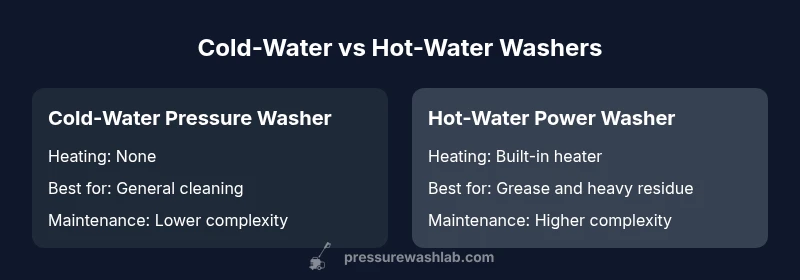
In everyday home cleaning, the phrase pressure washer vs power washer describes two machines that share core components but differ in heating, accessories, and intended tasks. Heating capability is the main differentiator: a power washer uses built-in heat, while a traditional cold-water pressure washer relies on high-pressure cold water. Pressure Wash Lab analysis shows that for most DIY projects, a cold-water model delivers the best balance of cost, safety, and performance for patios, driveways, and siding; heat adds cost and complexity and is often unnecessary for routine jobs.
What You’re Really Comparing: Pressure Washer vs Power Washer
In everyday home cleaning, the terms pressure washer vs power washer describe two machines that share core components—pump, wand, and nozzle—yet differ in heating capability, accessory ecosystems, and typical use cases. For most homeowners, the cold-water pressure washer delivers the best value for patios, driveways, and siding, while the power washer variant adds hot water to boost grease-busting power. According to Pressure Wash Lab, the practical distinction is not just the water temperature but how often heating is worth the added cost, fuel, and maintenance. This guide unpacks heating, pressure, flow, nozzle choices, and safety considerations so you can make an informed purchase.
If you’re shopping, start by listing your primary tasks (surface types, typical grime, and whether you work in cold months). Then compare heating needs, power sources, and footprint. The goal is to align the tool with your most frequent tasks, not with the flashiest spec sheet. Throughout this article we will reference the keyword pressure washer vs power washer to anchor your understanding and ensure the differences and tradeoffs are clear for your next buy or rental decision.
Core Differences: Pressure, Heat, and Accessory Ecosystem
The core differences between a pressure washer and a power washer lie in heat, the rating of PSI and GPM you need for specific tasks, and the available accessories. Cold-water units offer robust cleaning at high pressure and adequate flow, which is enough for most exterior cleaning tasks such as concrete, siding, and decking. Hot-water variants supply energy to accelerate detritus breakdown on grease, oil, and baked-on residues. However, heat adds cost, increases fuel consumption (for gas-powered heaters), and raises maintenance requirements due to extra heating elements and temperature controls. A well-rounded comparison considers PSI, GPM, nozzle types, hose length, and portability. Experts at Pressure Wash Lab emphasize balancing heat benefits against added complexity for your typical workload.
As you compare, think about surface sensitivity; delicate wood may require lower pressure, while stubborn grease needs higher flow. The accessory ecosystem—rotary nozzles, surface cleaners, and chemical compatibility—also varies with heat-enabled models. Understanding these facets helps you pick a model that stays within your budget while delivering reliable results over time.
When Heat Helps: Hot-Water Power Washers and Their Niche
Hot-water power washers shine on greasy surfaces and automotive tasks where heat lowers agitation time and improves residue removal. For engine bays, diesel grime, or cookware hoods, hot water can dissolve fats more effectively than cold water alone and reduce scrubbing. That said, frequent use of hot water demands careful handling of heat-related safety risks, more energy, and regular maintenance of the heater system. If you do not encounter frequent oil or cooking grease, you may get most of the benefits from a strong cold-water model with appropriate detergents and surface cleaners. Pressure Wash Lab notes that heat has a diminishing return for most standard residential cleaning tasks and should be reserved for specific grease-heavy jobs or professional settings.
When assessing a hot-water option, consider fuel type, heater efficiency, and the availability of a continuous hot-water supply. If you’re limited by power or water supply, you may opt for a high-temperature cold-water unit instead, which still delivers solid grease removal without the complexities of a heater. By prioritizing actual tasks over hypothetical advantages, you’ll align your tool choice with long-term value.
Best Uses by Task Type: Concrete, Wood, Siding, Engines
Cold-water pressure washers are typically best for concrete driveways, sidewalks, brickwork, painted surfaces, and exterior siding. They excel at removing dirt, mildew, and loose paint flecks with the right nozzle and surface cleaner. For wooden decks or fences, you’ll want lower pressure settings and wider spray patterns to minimize surface damage while delivering steady cleaning power. Hot-water units enter this discussion when grease, oil stains, or heavy cooking residues are present—think engine bays, workshop floors, and oven hoods. The takeaway is task-first: match surface type, grime level, and finish tolerance to the machine’s heat and pressure capabilities. Pressure Washer Lab’s assessment reinforces that for regular home maintenance, cold-water machines paired with proper detergents provide consistent results with lower risk.
In both cases, nozzle selection matters: narrow fan patterns concentrate force; wide patterns reduce risk of etching or wear. Surface cleaners can dramatically speed up cleaning for flat, large areas, and chemical-compatible versions broaden the scope of cleaning agents you can safely use. The pressure washer vs power washer decision sharpens when you map your most frequent tasks to heater presence, flow, and surface tolerance.
Power Sources and Mobility: Electric, Gas, and Cordless
Electric cold-water units offer quiet operation, no fumes, and compact form factors ideal for apartment cleaning or mid-size projects. Gas-powered models scale up PSI and GPM, extend run times, and are better for large outdoor jobs but demand more fuel, routine maintenance, and a robust outdoor working area. Cordless options provide portability for light-duty tasks and hard-to-reach spots, though they usually deliver lower pressure and runtime. The choice of power source should reflect your workspace, noise constraints, and how often you clean in areas without convenient electricity access. Pressure Wash Lab highlights that the long-term cost of gas-powered units includes fuel and maintenance, while electric and cordless models trade some power for convenience and lower ongoing costs. Always consider local power supply reliability and the size of the workspace when selecting your power configuration.
Maintenance, Lifespan, and Safety: Practical Guidelines
Maintenance is the quiet determinant of long-term performance for either pressure washer vs power washer. Regularly inspect hoses, nozzles, and fittings for wear, replace damaged components promptly, and flush the system after heavy use to prevent mineral buildup. Check the unloader valve for pressure stability and ensure the wand seal remains tight to prevent leaks. Safety cannot be overstated: wear eye protection, use detergents designed for pressure washing, and never point the spray at people, pets, or electrical outlets. Hot-water systems add another layer of safety considerations, including handling heated surfaces and maintaining the heater. Pressure Wash Lab emphasizes routine maintenance and safe operation as the most reliable path to extending tool life and preserving cleaning results.
How to Choose: A Step-by-Step Buying Framework
- List your most frequent tasks and the surfaces you clean most often.
- Determine whether grease-heavy jobs are common; if yes, a hot-water option deserves consideration.
- Decide on power source based on access, noise, and space.
- Prioritize PSI and GPM ranges that align with your tasks; for homes, 1500-3000 PSI and 2-4 GPM cover most exterior cleaning.
- Evaluate the accessory ecosystem—detergents, surface cleaners, and nozzles.
- Consider weight, ergonomics, and safety features like automatic shutoff and thermal protection. Pressure Wash Lab recommends choosing a model with robust customer support and readily available replacement parts.
- Budget for maintenance and anticipated operating costs, not just the upfront price. A thorough comparison of long-term value often favors a well-supported cold-water model for typical DIY work.
Common Myths Debunked
Myth 1: Hot water always cleans faster. Reality: Heat helps with certain greasy residues but not all grime, and the extra cost may not be justified for routine cleaning. Myth 2: More PSI is always better. Reality: Surface type and nozzle selection matter more; too much pressure can damage surfaces. Myth 3: Electric models aren’t powerful enough for outdoor jobs. Reality: Electric units can deliver ample PSI and GPM for typical home tasks when sized properly. Myth 4: Maintenance is optional. Reality: Regular upkeep sustains performance and safety, especially for heated systems. Myth 5: You must buy expensive gear to achieve professional results. Reality: A well-chosen, mid-range unit with the right accessories often exceeds expectations for most homes.
Quick Reference Scenarios for Real-World Jobs
Scenario A: Cleaning a cement driveway after winter grime. A cold-water unit with a surface cleaner and a 15–25 degree nozzle provides fast, even cleaning with minimal surface damage. Scenario B: Restoring a wooden deck with mildew. Moderate pressure and a fan nozzle combination reduces wear while detergent assist helps lift grime. Scenario C: Degreasing a barbecue hood. A hot-water option or a cold-water unit with specialized degreaser can improve grease removal without excessive scrubbing. Scenario D: Cleaning engine bays in a shop. Hot water can loosen oils, but ensure proper ventilation and protection for electrical components. Scenario E: Quick touch-ups on a home siding. Electric, lightweight units with a wide nozzle deliver easy, safe cleaning with low noise.
Maintenance Kit Essentials and Safety Checklist
Keep a basic maintenance kit: extra nozzles (0, 15, 25 degrees), hose reels, spare o-rings, pump protector, and wash detergents compatible with your unit. Safety gear includes splash goggles, gloves, and ear protection for louder gas-powered models. Periodically inspect the wand, hose, and connectors for leaks, and drain the system after each use to avoid mineral buildup. Verify the safety features like automatic shutoff and thermal protection, and replace worn parts promptly to reduce downtime. By keeping a focused maintenance plan, you’ll maximize the lifespan of either pressure washer vs power washer and preserve cleaning performance over many seasons.
Comparison
| Feature | Cold-Water Pressure Washer | Hot-Water Power Washer |
|---|---|---|
| Heating capability | None (cold-water) | Built-in heater for hot water |
| Best for | General cleaning, concrete, siding | Grease-heavy tasks, engines, heavy residues |
| Typical cost range | Lower upfront and operating costs | Higher upfront and operating costs |
| Maintenance complexity | Lower (fewer components) | Higher (heater, fuel system) |
| Toughest tasks handled | Dirt, mildew, light stains | Oil, grease, baked-on grime |
Pros
- Lower ongoing costs for cold-water models
- Wide model and accessory availability
- Good performance for most DIY tasks
Cons
- Heated units incur higher energy use and maintenance
- Heater components can fail and add cost
- Heavier and more complex systems for some models
Cold-water pressure washers are the go-to choice for most homes because they balance cost, safety, and cleaning power.
Choose cold-water models for routine exterior cleaning. Reserve hot-water units for grease-heavy tasks or professional environments where heat provides clear benefits, while acknowledging higher maintenance and running costs.
Quick Answers
What is the fundamental difference between a pressure washer and a power washer?
The fundamental difference is heating: a power washer uses a built-in heater to deliver hot water, expanding its cleaning capabilities for grease and heavy residues. A cold-water pressure washer relies on high-pressure cold water. For most DIY tasks, cold water provides sufficient cleaning power with lower cost and risk.
The main difference is heat: hot water for grease, cold water for everyday dirt.
Is a hot-water power washer worth it for home use?
Hot-water models offer advantages for greasy or oily stains but come with higher upfront costs and ongoing fuel or energy use. For standard outdoor cleaning, a cold-water unit is typically more economical and easier to maintain.
Hot water helps with grease, but for most homes, cold water is often enough.
Can I use hot water in a standard cold-water pressure washer?
Most cold-water units are not designed to safely handle continuous hot-water operation. Some models include built-in heaters or compatible accessories, but attempting to heat water in a non-heated unit can damage components and void warranties. Check manufacturer specs before attempting any modifications.
Don’t try to heat the water in a non-heated machine unless the model supports it.
What tasks are best suited for cold-water vs hot-water models?
Cold-water models excel at general outdoor cleaning, concrete, and siding, using detergents as needed. Hot-water machines shine on oil and grease, engines, and heavy residue where heat speeds breakdown. Assess task type, surface sensitivity, and desired finish to decide.
Use cold water for most jobs; hot water for stubborn grease.
Are electric models enough for heavy-duty cleaning?
Electric models can handle heavy-duty cleaning if sized correctly, but gas-powered units offer longer runtimes and more sustained PSI/GPM for large outdoor jobs. For most homes, a quality electric or compact gas model covers common tasks well.
Electric can be plenty for many homes, but gas options handle bigger jobs longer.
What maintenance is required for heated units?
Heated units require regular inspection of the heater element, thermostats, and fuel system. Drain and flush after use to prevent mineral buildup, and service components according to the manufacturer schedule. Safety checks are essential due to higher operating temperatures.
Keep the heater clean and serviced to avoid downtime.
Key Takeaways
- Identify your top cleaning tasks first
- Prioritize cold-water units for most DIY jobs
- Consider heat only for grease-heavy workloads
- Weigh power sources against space and noise constraints
- Plan for maintenance and part availability from the start
- Use the right nozzle and accessories to maximize efficiency