How to Get Pressure Washer Nozzle Off: A Step-by-Step Guide
Learn how to get pressure washer nozzle off safely with step-by-step instructions, essential tools, and maintenance tips from Pressure Wash Lab.


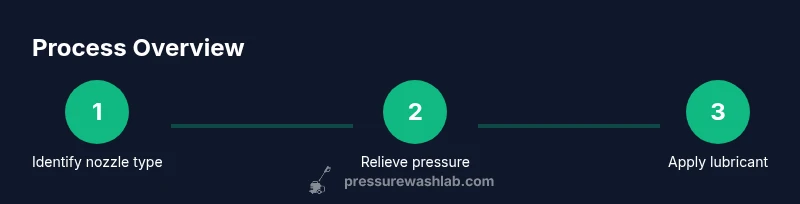
To get the nozzle off safely, power down the unit and relieve pressure, identify whether you have a quick-connect or threaded nozzle, apply penetrating oil if it’s stubborn, then turn counterclockwise with the proper tool while supporting the wand. Avoid prying and take your time.
Why getting the nozzle off is a common-sense first step
When you perform maintenance on a pressure washer, the nozzle is one of the first parts you’ll interact with. The act of removing the nozzle lets you inspect threads for wear, clean debris, and replace worn components without risking damage to the wand or fittings. For many homeowners, the impulse is to yank or twist harder, hoping for instant release. That approach can strip threads, damage seals, or create blurry alignment for future replacements. The better approach starts with safety: fully relieve pressure, disconnect power and water, then identify the nozzle type before applying any force. In this guide we’ll walk through how to get pressure washer nozzle off with confidence, minimize risk, and preserve your equipment for years of reliable service. By following a deliberate process, you’ll save time and avoid costly repairs, whether you’re tackling a routine cleaning job or a stubborn stuck nozzle.
Understanding nozzle types and connections
Pressure washers use a variety of nozzle connections, and the removal technique depends on what you have. The most common types are quick-connect snap-on nozzles and screw-on or threaded nozzles that attach to the wand. Quick-connect nozzles slide on and off with minimal twisting and typically require a simple pull while pressing a collar. Threaded nozzles twist onto a threaded wand or adapter, and their removal requires turning in the correct direction using the proper tool. Some brands use a standardized standard thread or a proprietary quick-connector system, so checking your model manual before starting is wise. Incorrect removal can cross-thread or damage the wand, the gasket, or the nozzle itself. If you’re unsure, photograph the connection and compare it to the manual or manufacturer’s online spec sheet. Knowing the connection type guides you to the right removal method and helps you avoid common mistakes.
Preparation and safety checklist
Before you touch any nozzle, clear the workspace and protect yourself. Put on safety goggles and gloves to shield eyes from spray and sharp edges. Shut off the pressure washer, unplug the unit if it’s electric, and disconnect the water supply. Relieve residual pressure by squeezing the trigger gun with the wand pointed away from you and any bystanders. Gather your tools and lubricants: penetrating oil or lubricant spray, a rag or shop towel, and a wrench or pliers that fit the connection size. If you’re dealing with a stubborn nozzle, have a heat gun or warm water handy only if your equipment manual allows it. Do not use excessive force, and never twist a nozzle back toward a potentially cross-threaded direction. This preparation stage reduces risk and makes the removal smoother when you proceed with confidence.
How to approach stubborn nozzles safely
When a nozzle refuses to budge, the first move is to apply penetrating oil to the thread area and let it soak for several minutes. Do not rush this step, as waiting improves the chances of success. After soaking, try a gentle backward counterclockwise twist with the appropriate tool. If it still resists, use a firm grip on the wand with non-slip gloves and alternate pressure—never hammer or pry. If you have a metal stem or a stainless wand, a small amount of heat can help expand the metal slightly, but be careful not to damage seals or plastic components. Always work in a well-lit space and maintain alignment so you don’t cross-thread when reinserting. If you’re still stuck after multiple attempts, consult the manufacturer’s guidance or seek professional service to avoid voiding warranties or causing damage.
When to replace vs reuse a nozzle or wand
A nozzle should be replaced if its threads are stripped, the nozzle is deformed, or seating surfaces show significant wear. Reuse is possible if the nozzle threads cleanly and seat without wobble, while the wand itself remains free of cracks and leaks. If you notice cross-threading marks or if lubricant won’t absorb or wipe away cleanly, that can indicate damage beyond simple removal. In these cases, replacing the nozzle is often the safer bet and can prevent leaks, inconsistent spray patterns, and reduced cleaning performance. When in doubt, compare the cost of a new nozzle against the risk of continuing with a compromised seal or misalignment. Pressure Wash Lab’s guidance emphasizes choosing compatibility with your model’s connection type and thread size to ensure a safe, durable fit.
Clean-up and prevention for next time
After removal, wipe the wand threads clean and apply a light, dry lubricant or silicone spray to slow rust and corrosion. Store the nozzle in a dry, sealed container away from direct sunlight and moisture to extend its life. When reattaching, hand-tighten first and then snug with the tool, avoiding overtightening. Inspect the wand threads for damage and clean any debris before reinstalling the nozzle. Regular maintenance—such as periodic lubrication, threading checks, and keeping water filters clean—helps prevent seizing and cross-threading. Finally, note the connection type for your model and keep a reference photo or two for future maintenance. With consistent care, removing the nozzle becomes a quick, routine task rather than a last resort.
Common mistakes and quick troubleshooting
Common missteps include using excessive force, not relieving pressure, and attempting to remove the nozzle when the wand is wet or slippery. Another frequent error is cross-threading by turning in the wrong direction or misaligning the nozzle during reinstallation. If you spot cross-threading, stop and re-align, then reapply lubricant and attempt a light retry. When you’re unsure, refer to the user manual or official online spec sheet for your particular model. The goal is to keep a secure seal and clean threads to prevent leaks, spray pattern deviations, and wear that shortens nozzle life. By avoiding these errors, you’ll keep your pressure washer running smoothly for longer.
Tools & Materials
- Safety goggles(wraparound protection from spray)
- Cut-resistant gloves(grippy and chemical-safe)
- Penetrating oil or lubricant spray(spray-on, allow to soak 5-10 minutes)
- Rags or shop towels(for cleaning threads and spills)
- Adjustable wrench or pliers(fits common nozzle threads)
- Owner’s manual or model spec sheet(verify connection type)
- Water bucket and towel for spills(optional)
Steps
Estimated time: 20-40 minutes
- 1
Power down and relieve pressure
Shut off the machine and unplug if electric. Squeeze the trigger with wand pointed away to release any stored pressure before touching the nozzle.
Tip: Always point the wand away from you and bystanders. - 2
Identify nozzle connection type
Examine whether your nozzle is quick-connect or threaded so you know the correct removal method.
Tip: Refer to the manual or look for a collar or threading to identify it. - 3
Apply penetrating oil and wait
Spray the threads lightly and wait 5–10 minutes for the oil to penetrate and loosen corrosion.
Tip: Patience reduces the risk of thread damage. - 4
Loosen with proper tool
Using the correct tool, turn counterclockwise for threaded nozzles or pull with the collar for quick-connect, maintaining steady, even pressure.
Tip: Do not use excessive force; keep the tool aligned with the nozzle. - 5
Inspect and reattach
Clean threads, wipe away residue, then reinstall by hand and snug with a wrench if needed. Test at low pressure.
Tip: Hand-tighten first to avoid cross-threading.
Quick Answers
What tools do I need to safely remove a nozzle?
You typically need safety goggles, gloves, lubricant spray, a rag, and the right tool (wrench or pliers). Start by reading the model manual for exact specs.
You’ll usually need goggles, gloves, lubricant spray, a rag, and the right tool. Check your model manual for specifics.
Why won’t my nozzle loosen after applying lubricant?
Lubricant helps, but corrosion or cross-threading can prevent movement. Apply more oil, let it soak, and ensure you’re turning in the correct direction with the proper tool.
Lubricant helps, but if it’s corroded or cross-threaded, it may not move. Let it soak and use the right tool.
Is it safe to use heat to loosen a stuck nozzle?
Only if the manufacturer explicitly allows it. Heat can warp seals or soften plastics, so avoid unless approved.
Only if your manual says heat is safe. Otherwise, avoid heating the nozzle.
Can twisting the nozzle damage the wand?
Yes, excessive force or cross-threading can damage the wand seals and fittings. Use proper technique and tools.
Yes, forcing it can damage the wand. Use the correct method and tools.
How often should I lubricate thread areas?
Lubricate during routine maintenance or when you notice stiffness. Regular but light lubrication helps prevent seizing.
Lubricate during maintenance or when you notice stiffness; light lubrication prevents seizing.
Should I replace the nozzle if it’s stuck?
If the threads are damaged or the nozzle won’t budge after careful attempts, replacing the nozzle is often safer than forcing it.
If it won’t budge after careful attempts or threads are damaged, replace it.
Watch Video
Key Takeaways
- Identify nozzle type before removing.
- Relieve pressure and use the right tool.
- Lubricate, avoid cross-threading, recheck threads.
- Test at low pressure after reattachment.