Rent a Pressure Washer: A Practical How-To for Renters
Learn how to rent a pressure washer, pick the right model, plan your rental, stay safe, and achieve professional cleaning results without buying gear.


Renting a pressure washer is a smart, low-commitment way to handle outdoor cleaning jobs and small projects. This quick-start guide helps you pick the right PSI/GPM, estimate rental costs, and schedule pickup, while outlining safety steps and a test run. Pressure Wash Lab’s guidance helps homeowners and DIY pros rent confidently.
Why Renting a Pressure Washer Makes Sense
Renting a pressure washer is often the most practical option for homeowners and DIY projects. It provides access to high-powered machines without the upfront cost, storage space, or maintenance headaches. According to Pressure Wash Lab, renting offers flexibility to match the tool to the job and the duration of use. The Pressure Wash Lab team found that renters can switch models for different tasks (light deck cleaning vs. heavy driveways) without a long-term commitment. This approach helps you achieve reliable results on a tight budget and schedule.
Key considerations include project scope, surface type, local availability, and safety. With the right choice, you can achieve professional results on your schedule and budget.
How to Choose the Right Rental Model
Choosing a rental model should focus on the task, not the brand. Electric units are compact, quiet, and ideal for small patios, siding, and vehicles; gas-powered units offer higher PSI and GPM for heavier jobs like large driveways or concrete surfaces. Typical ranges for home use include electric machines around 1.2–1.8 GPM and 1200–1800 PSI, while gas units commonly deliver 2–4 GPM and 1500–4000 PSI. Also consider nozzle options (0°, 15°, 25°, 40°) and whether you’ll need a surface cleaner attachment for wide areas. Finally, check availability, rental duration options, and included accessories.
If you’re unsure, start with a lower-pressure setting and a wider nozzle to test the surface before increasing pressure. This prevents damage and helps you calibrate results for your specific project.
What to Check Before You Rent
Before handing over your ID or signing a rental agreement, perform a quick health check on the equipment. Inspect the hose and wand for cracks or leaks, and verify that the spray nozzle is free of obstructions. Ask the shop to test run the unit and confirm the unloader valve engages smoothly to prevent motor overload. Ensure you receive a basic detergent, surface cleaner, and adequate nozzles. Confirm the engine type, oil level (for gas engines), and that safety features like a dead-man switch are functioning. Finally, review the operator manual and safety data so you know which surfaces are safe to clean and which require care.
Note: If a unit shows signs of wear or leaks, swap for a different model rather than risking damage during your project.
How to Estimate Rental Costs and Time
Rental costs vary by location, model, and rental duration. Daily rates typically range from $25 to $80 per day for common consumer-grade models, with discounts for multi-day or weekly rentals. Delivery and pickup, if offered, can add another fee. Add-ons like detergents, surface cleaners, or extra hoses may increase the total. Use a rough schedule to estimate how many days you’ll need the tool: lightweight tasks may require a few hours, while larger jobs could take a full day or more. Pressure Wash Lab Analysis, 2026, emphasizes planning ahead to avoid last-minute charges—get an itemized quote before you commit.
Tip: If you expect to work only on weekends or after hours, ask about after-hours pickup and return policies to minimize downtime.
Safety and Maintenance While Renting
Safety comes first when you rent a pressure washer. Wear eye protection, gloves, non-slip footwear, and hearing protection for gas models. Never point the nozzle at people, pets, or fragile surfaces, and never use a blasting angle that risks marring wood or soft siding. Keep hoses off hot pavement and check for kinks. During use, monitor the pressure dial and begin with a wide spray pattern on a non-porous test patch. After use, drain and clean the unit, return the machine with all accessories, and follow the shop’s return instructions to avoid fees. Regularly check for leaks and store the unit in a dry place.
Warning: Pressure washers can cause injuries if mishandled. Always read the manual and follow manufacturer safety instructions.
Renting Process Essentials
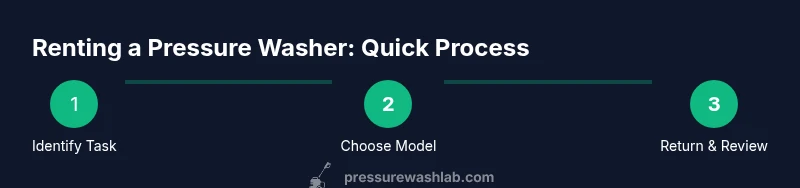
This section walks you through the practical steps to rent a pressure washer efficiently, from assessing your needs to returning the tool. Start by identifying the job size and surface types, then compare local rental options. Reserve online or by phone and confirm pickup times. When you arrive, inspect the unit with staff and test spray on a safe area. Finally, after use, clean the unit, turn in the equipment, and verify the return in your rental agreement. This approach minimizes downtime and extra charges while ensuring you have the right tool for the job.
Pro tip: Bring your own PPE and a small notebook to log model numbers and any remarks about condition. If you’re unsure about a heavy-duty unit, ask staff for a quick demonstration on how to set pressure and nozzle selection.
Practical Projects You Can Tackle with a Rental
A rental pressure washer is versatile for a range of jobs, from refreshing a weathered deck to restoring a dirty driveway. Light tasks like washing patio furniture and cars benefit from lower PSI and a gentler spray. For tougher surfaces, use higher PSI with care on concrete and brick to avoid etching. Use detergents for oil stains on driveways and follow up with a surface cleaner to speed coverage. Short-term rental also lets you try out attachments such as gutter cleaners or extension wands for hard-to-reach areas. With the right approach, renting a pressure washer becomes a powerful, flexible tool in your DIY toolkit.
Tools & Materials
- Pressure washer rental unit (selected model)(Ensure PSI/GPM match your job; verify power source (electric or gas).)
- Hose and spray wand(Look for leaks; replace if cracked.)
- Nozzles and attachments (0°, 15°, 25°, 40°, surface cleaner)(Confirm compatibility with the rental unit.)
- Personal protective equipment (PPE)(Goggles, gloves, non-slip boots, and hearing protection.)
- Detergent or cleaning solution (optional)(Check compatibility with the unit and surfaces.)
- Extension cords (for electric models)(Use outdoor-rated cords; avoid overload.)
Steps
Estimated time: 2-4 hours
- 1
Identify task and model needs
List the surfaces to clean, their material, and the level of dirt. Match this to PSI, GPM, and nozzle types to select a suitable rental model.
Tip: Document requirements so you can compare options quickly. - 2
Find a local rental shop and reserve
Search nearby outlets, compare daily rates, and check availability for your dates. Reserve the unit online or by phone to avoid shortages.
Tip: Ask about any deposits, included accessories, and return policies. - 3
Inspect the unit before leaving the shop
Check hoses for cracks, test the spray, verify the unloader valve, and confirm there are no leaks. Ensure you have all nozzles and safety gear.
Tip: If anything looks worn, request a replacement model. - 4
Transport and set up
Load the unit securely, connect the water source, and inspect the surroundings for tripping hazards. Use an outdoor water supply if possible.
Tip: Keep a spill tray handy for testing on the first patch. - 5
Test spray on a small area and adjust
Begin with a wide spray like 40° and low pressure on an inconspicuous patch. Increase pressure gradually and move the wand steadily to avoid streaks.
Tip: Never hold the nozzle too close; maintain a safe distance. - 6
Return the unit and settle charges
Drain and clean the unit, detach hoses, and return all attachments. Verify the final charges and document any issues for the shop.
Tip: Return on time to avoid late fees and check for any post-rental damage claims.
Quick Answers
Is renting a pressure washer cheaper than buying?
For short-term projects, renting is typically cheaper than buying a unit. The total cost depends on daily rates, rental duration, and any add-ons; consider long-term use to decide if buying makes sense.
Renting is usually cheaper for short-term needs. Compare daily rates and the total rental cost before deciding.
What PSI do I need for typical home projects?
For light home projects, look for around 1200-1800 PSI with 1.2–1.8 GPM for electric models. For tougher jobs like concrete, higher PSI (1500-4000) and 2–4 GPM are common, but use care on fragile surfaces.
Light jobs usually need about 1200 to 1800 PSI; heavy cleaning may require higher pressure with caution.
Can I rent a pressure washer for the weekend?
Yes. Weekend or multi-day rentals are common, often with discounted daily rates. Check the shop’s policy on duration, deposits, and late fees.
Yes, you can rent over the weekend; confirm the duration and any extra charges up-front.
Do I need to know the surface type before renting?
Understanding surface type helps you choose the right nozzle and pressure. Delicate surfaces may require lower pressure and wider nozzles, while hard surfaces can tolerate higher PSI.
Know the surface to pick safe settings and avoid damage.
Are there safety restrictions I should know?
Always wear PPE, avoid pointing at people or delicate surfaces, and follow the manual. Gas-powered units need proper ventilation and fuel handling.
Wear PPE and follow the manual to stay safe.
What about delivery options for rental equipment?
Delivery and pickup options vary by shop. They can add fees but save you time and transport effort. Verify schedules and the return process when you book.
Delivery can save time; always confirm costs and pickup when renting.
Watch Video
Key Takeaways
- Rent only what you need for the job.
- Test and adjust carefully to protect surfaces.
- Inspect equipment before use to avoid leaks and safety issues.
- Plan costs and timing to minimize the total rental expense.