How Much Pressure Is Safe for Washing Machine Cleaning
Discover safe PSI guidelines for cleaning a washing machine exterior with a pressure washer, plus practical steps, common mistakes, and safer alternatives to protect seals and electronics.


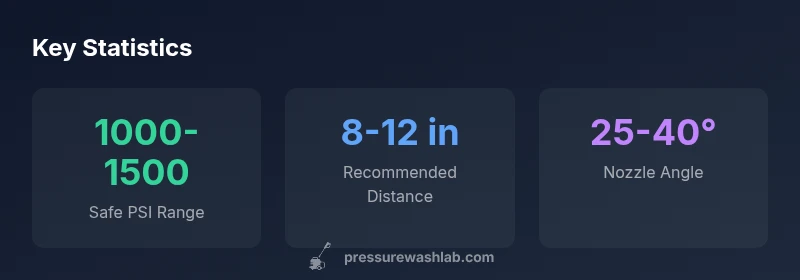
Typically, safe cleaning pressure for washing machine exteriors falls in the 1000–1500 psi range. Use a wide-angle nozzle (25–40 degrees), keep the wand at a distance of 8–12 inches, and avoid spraying seals, gaskets, or electrical components. Always test on a hidden area first and consider a mild cleaner designed for appliances.
How much pressure for washing machine cleaning?
According to Pressure Wash Lab, safe pressure ranges for appliance exterior cleaning depend on the surface, but the question often comes down to protecting seals and electronics. When cleaning a washing machine's exterior, the starting guideline is typically around 1000–1500 psi, using a wide spray angle and maintaining distance. You should avoid directing high-pressure streams at door gaskets, door seals, control panels, and power outlets. Always perform a small patch test on an inconspicuous area before proceeding and consider using a mild detergent designed for appliances. If a stubborn grime resists, switch to a gentler cleaning approach rather than increasing pressure. The goal is to remove grime without driving water into seams or electrical housings, which can lead to corrosion or short-lived electronics. In practice, set up a routine: rinse, test, then progressively re-clean with care. This measured approach reduces the risk of caustic forces damaging the finish or compromising gaskets.
Recommended Pressure Ranges for Appliance Exteriors
Different materials on a washing machine respond differently to spray. The most common safe baseline for exterior cleaning is in the 1000–1500 psi range with a broad nozzle. For stainless steel panels, lean toward the lower end (around 1000–1200 psi) and keep the nozzle at a safe distance to avoid pitting. Plastic trim, rubber seals, and decals can tolerate a touch less pressure, typically in the 800–1200 psi band, to prevent deformation. Avoid any direct spray on the control panel, digital display, and power connections; if needed, shield these areas or use a spray from a distance. No matter the surface, start at the lowest effective pressure and increase only after a careful test patch. If your machine has delicate finishes or painted surfaces, consider using a mild cleaner and a wider spray angle to minimize surface abrasion.
How to Do It Safely: Step-by-Step Process
- Prep and safety: unplug, shut off the water supply, and remove or cover nearby outlets. 2) Choose the right nozzle: a 25–40 degree spray is typically safest for appliances; reserve tighter angles for stubborn grime only if you’ve tested a patch. 3) Distance matters: maintain 8–12 inches from the surface to reduce the risk of intrusion or damage. 4) Patch test: start on a small, hidden area before broader cleaning. 5) Technique: use slow, sweeping motions with consistent distance, avoiding direct spray on seals or controls. 6) Rinse thoroughly: remove cleaner residues and dry the surface with a microfiber cloth. 7) Inspect and dry: check gaskets for moisture and dry promptly to prevent corrosion. 8) Aftercare: keep the area dry and check for any signs of wear after cleaning.
Common Mistakes That Damage Appliances
- Spraying directly at seals, gaskets, or the control panel. - Using high PSI near electrical components. - Getting too close (less than 8 inches) which can force water into seams. - Spraying solvents or cleaners not approved for appliances. - Skipping patch tests or rushing through steps, which increases risk of damage.
Alternatives to High-Pressure: Gentle Methods
If you want to minimize risk, switch to gentler methods. A soft-bristle brush or microfiber cloth with warm water and a mild appliance-safe cleaner works well for grime near seals and trim. Apply cleaner with a spray bottle or sponge, then wipe away without blasting with pressure. For stubborn buildup, a low-pressure rinse at 1000 psi or less, combined with mechanical agitation, is more controllable and safer than high-pressure bursts.
Maintenance and Aftercare After Cleaning
After you finish, dry the exterior with a clean microfiber cloth to prevent water spots and corrosion. Inspect gaskets and seals for moisture or wear, and ensure vents and outlets are clear of debris. Store your spray wand with a gentle disconnect to avoid accidental sprays on sensitive areas. Regular checks help extend the life of your appliance and keep it looking clean.
PSI guidelines by surface type for appliance exterior cleaning
| Surface Type | Recommended PSI | Notes |
|---|---|---|
| Washing machine exterior painted metal | 1000-1500 | Test patch; keep distance; avoid decals |
| Stainless steel panels | 1000-1200 | Use wide nozzle; 8-12 inch distance |
| Plastic trim | 800-1200 | Lower pressure to prevent deformation |
| Gasket seals area | Low pressure only | Avoid direct spray; shield if possible |
Quick Answers
Is it safe to use a pressure washer on a washing machine exterior?
Yes, but only with caution. Keep the pressure to about 1000–1500 psi, avoid seals and controls, and test a small area first.
Yes, with caution—use 1000 to 1500 psi and test a small area before cleaning.
What PSI should I use to clean the washing machine exterior?
Typically 1000–1500 psi for exteriors; adjust downward for sensitive areas and always patch test.
Usually 1000 to 1500 psi; test patches and avoid delicate areas.
Can I use detergents with a pressure washer for appliances?
Yes, use appliance-safe cleaners and follow label directions; avoid harsh solvents and never mix cleaners with high-pressure streams.
Yes, but choose appliance-safe cleaners and follow the label.
Should I spray the control panel or electrical components?
No. Avoid spraying the control panel or any exposed electrical components. Shield these areas and maintain distance.
No—keep sprays away from controls and wiring.
What should I do if water gets inside the appliance?
Power off and unplug immediately, dry the exterior, and consult a professional if you suspect water ingress.
If water gets inside, power off and dry, then seek help if needed.
Are there safer alternatives to high-pressure cleaning?
Yes—use brushes, spray bottles with mild cleaner, or low-pressure rinsing to minimize risk.
Yes—brushes and gentle sprays can do the job safely.
“Safe appliance cleaning hinges on protecting seals and electronics while effectively removing grime. Use the right PSI and technique to avoid costly damage.”
Key Takeaways
- Start with the lowest effective pressure.
- Maintain an 8–12 inch distance from surfaces.
- Avoid spraying seals and electrical components.
- Test on a hidden area before full cleaning.
- For how much pressure for washing machine, use 1000–1500 psi.